Copy, Paste, Compete: How Dupe Culture Is Disrupting Marketing
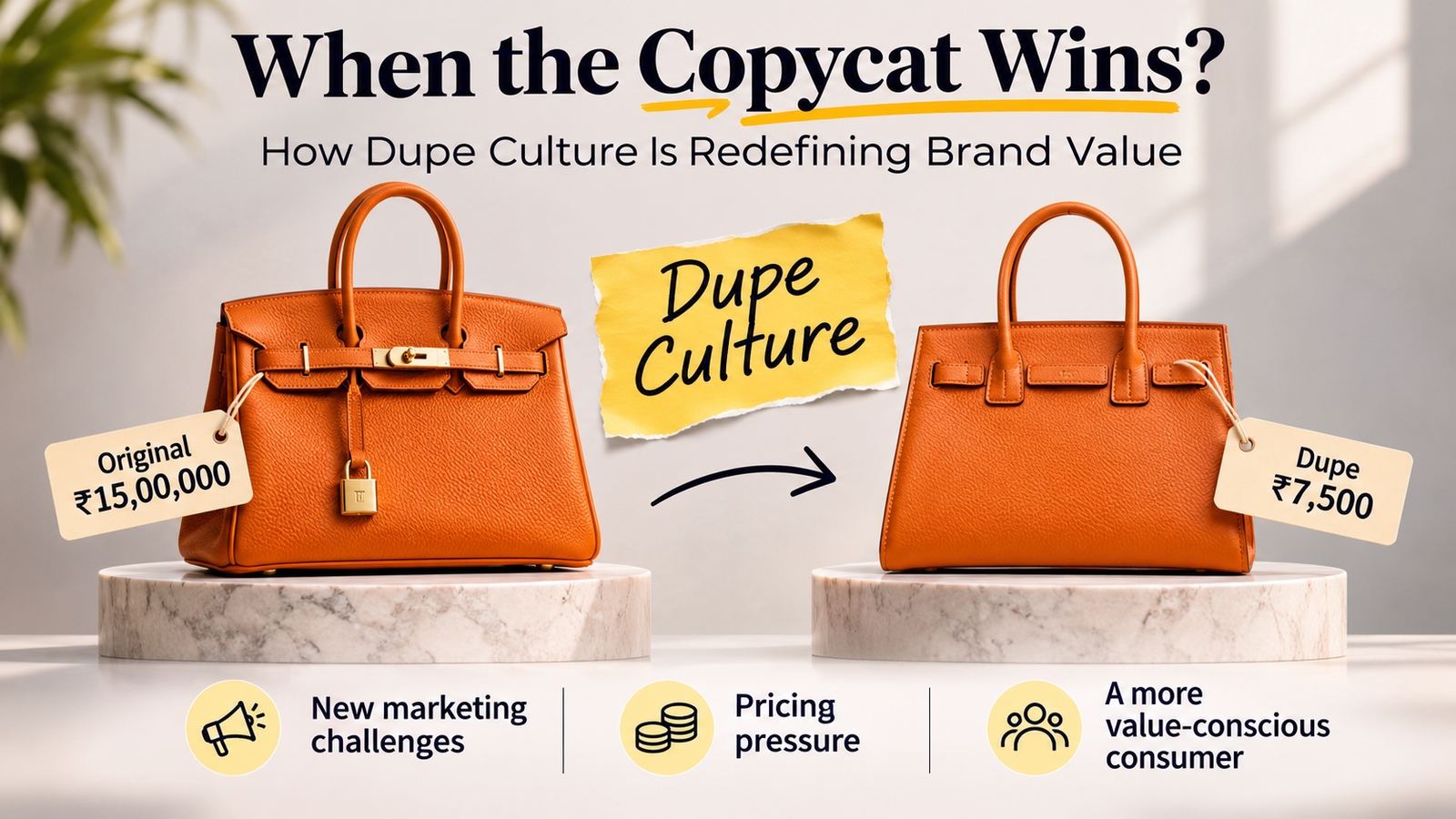
Dupe culture is challenging the way consumers perceive brands, quality and value. As affordable alternatives imitate premium products, established brands face a new question: what makes consumers willing to pay more for the original? Explore how this growing phenomenon is reshaping marketing, pricing strategies and brand loyalty.
Dupe culture is changing how consumers perceive brands, evaluate products, make purchase decisions, and define value. It is also challenging some fundamental principles of marketing, particularly brand differentiation, premium pricing, exclusivity, customer loyalty, and the relationship between price and perceived quality.
For decades, businesses invested heavily in building distinctive brands. Consumers paid a premium for the brand name, design, experience, status and emotional associations. Today, more consumers are willing to buy products that deliver a similar look, feel, or functionality at a fraction of the price.
This phenomenon is popularly known as dupe culture.
The interesting question for marketers is not simply why consumers buy cheaper alternatives. It is whether consumers are beginning to value the product more than the brand.
1. Understanding dupe culture
A dupe, short for duplicate, is a product that imitates the appearance, functionality, style or experience of a popular branded product, usually at a significantly lower price.
However, a dupe is not necessarily a counterfeit.
| Dupe | Counterfeit |
|---|---|
| Inspired by a popular product | Attempts to pass itself off as the original |
| May have its own brand identity | Copies trademarks, logos or brand identity |
| Usually competes on price and perceived value | Misleads consumers about authenticity |
| Can be legally legitimate | Often infringes intellectual property rights |
Dupe culture has gained momentum through TikTok, Instagram, YouTube and online shopping platforms. Consumers actively share affordable alternatives, compare products, and encourage others to avoid paying what they perceive as an unnecessary brand premium.
The underlying consumer proposition is simple:
Why pay ₹10,000 when I can get something that looks and performs almost as well for ₹1,500?
This is not necessarily about being unable to afford the original. It can also be about refusing to pay a premium when consumers don’t see a corresponding difference in value.
2. Why has dupe culture become popular?
Several forces drive this phenomenon.
1. Value consciousness: Consumers increasingly question whether premium pricing is justified by tangible product benefits.
2. Social media democratisation: Consumers no longer depend entirely on brands and advertising agencies for product recommendations. They trust creators, reviewers and fellow consumers who identify affordable alternatives.
3. Aspirational consumption: Consumers want the experience, aesthetics and social appeal associated with premium brands, without necessarily paying premium prices.
4. Product accessibility: E-commerce and digital marketplaces make it easier to discover, compare and purchase alternatives.
5. Changing attitudes towards ownership: Younger consumers, particularly Gen Z, may place greater emphasis on experimentation, variety and access than on owning an expensive brand.
6. Brand fatigue: Consumers are increasingly questioning whether they are paying for genuine product superiority or simply for advertising, celebrity endorsements, packaging and brand heritage.
3. Examples of dupe culture in action
The phenomenon is particularly visible in beauty, fashion, accessories, lifestyle products and consumer goods.
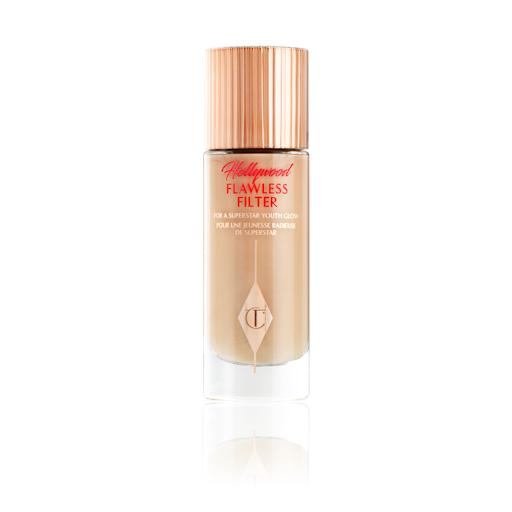
1. Charlotte Tilbury versus affordable beauty alternatives
Charlotte Tilbury’s Hollywood Flawless Filter became a highly desirable beauty product. Lower-priced alternatives from brands such as e.l.f. and MCoBeauty are frequently discussed as dupes.
Marketing implication: Consumers may desire the original product’s effect rather than the brand itself. The original must continually demonstrate why its formulation, performance and experience justify the premium.
2. Lululemon and the Dupe Swap
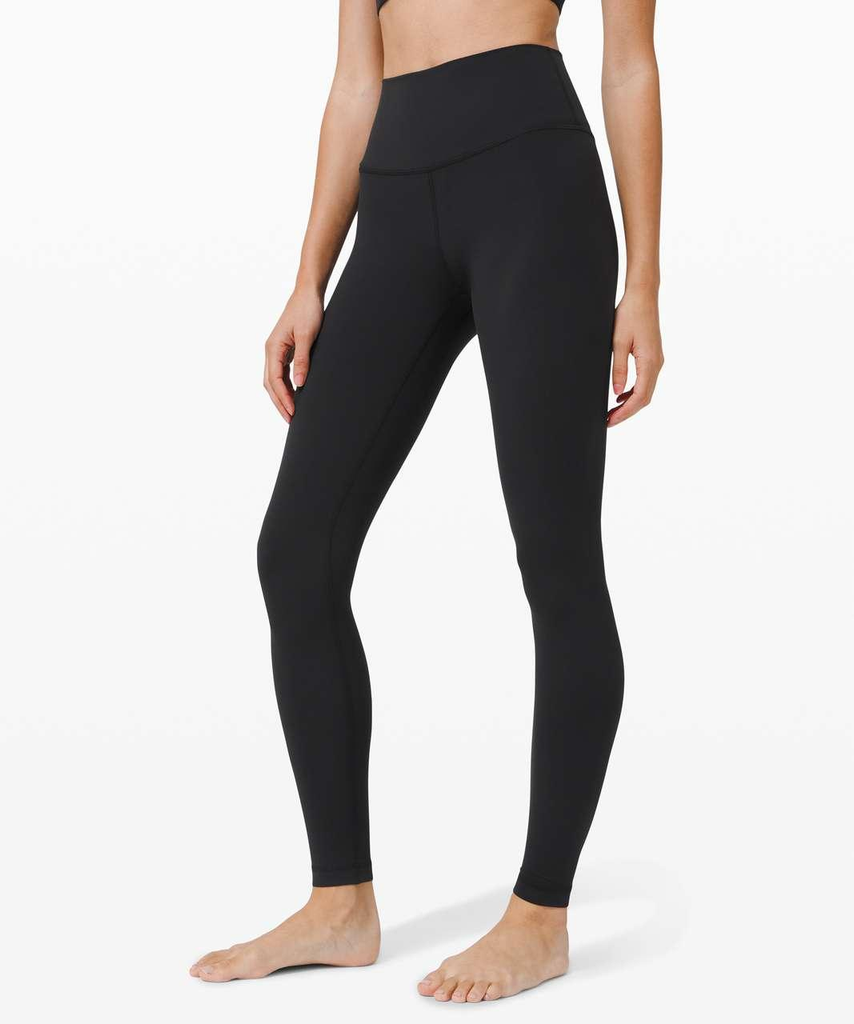
Lululemon responded to the popularity of cheaper Align leggings alternatives with an interesting initiative in Los Angeles. Customers could exchange their imitation leggings for genuine Lululemon products.
The initiative attracted over 1,000 visitors, and approximately half were new customers.
Marketing implication: Rather than attacking competitors, a brand can use the dupe phenomenon to create trial, demonstrate product superiority and acquire new customers.
3. Dior versus e.l.f. Cosmetics
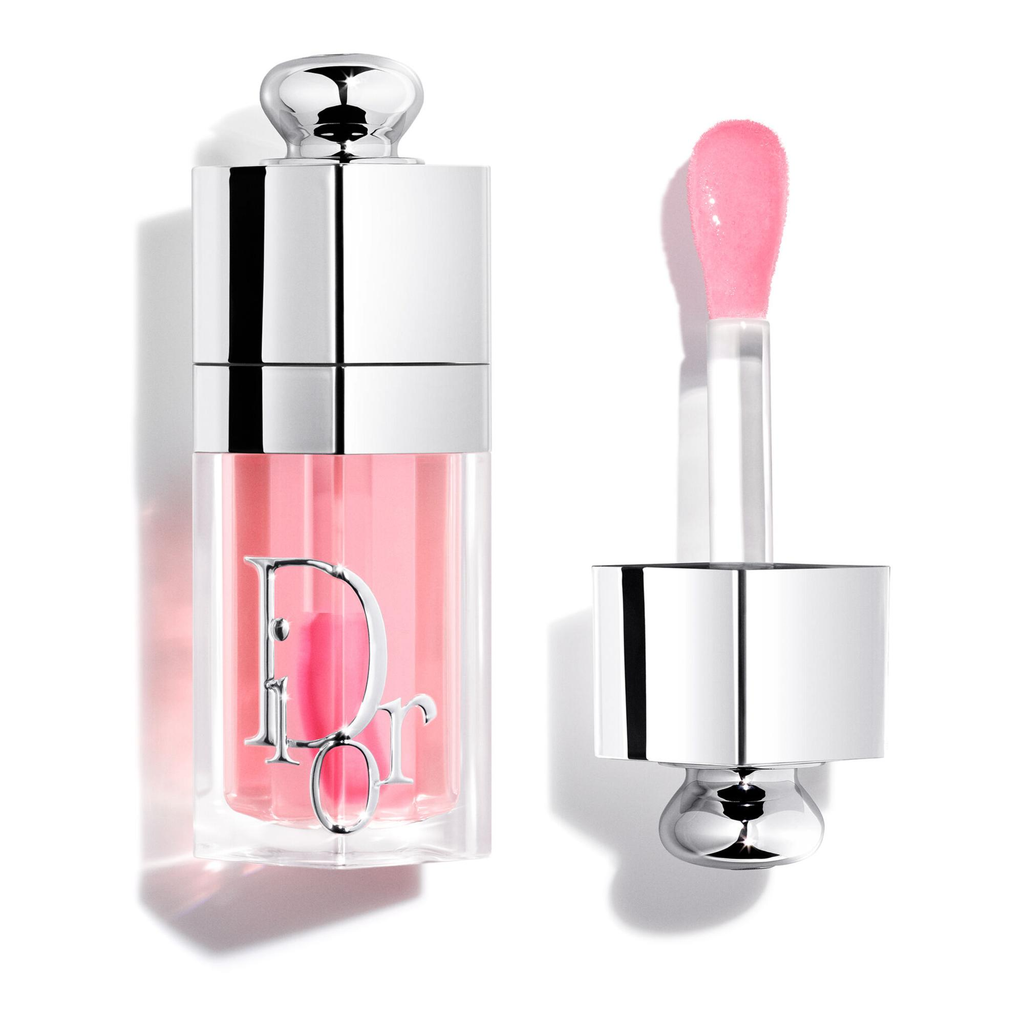
Dior’s lip oils and other luxury cosmetics have inspired numerous affordable alternatives. e.l.f. has built a substantial business by offering accessible products that compete with premium beauty products.
Marketing implication: A lower-priced competitor can challenge the price-value equation without necessarily possessing the original brand’s heritage or aspirational appeal.
4. Hermès Birkin and the Walmart Wirkin
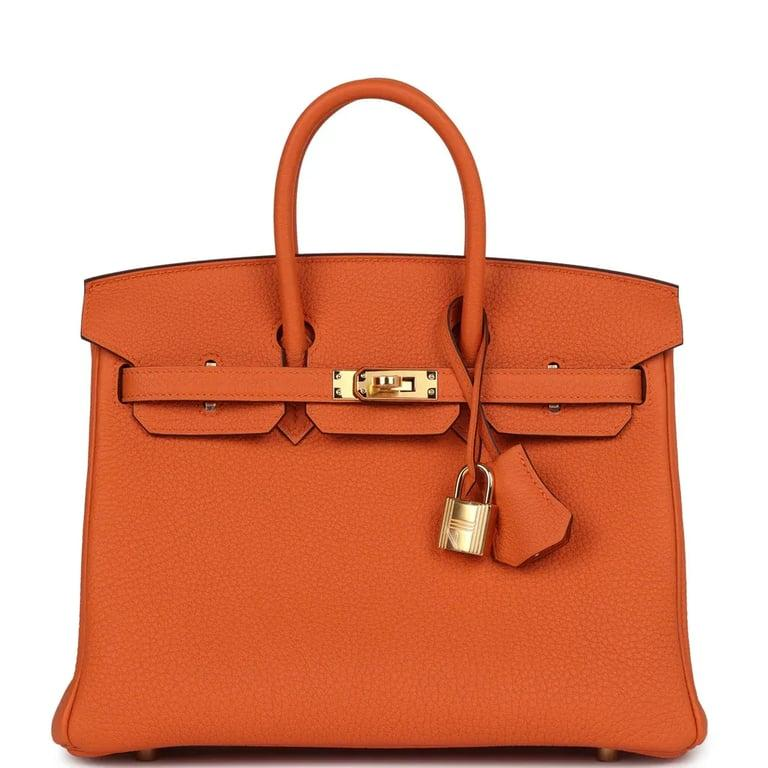
A lower-priced Walmart handbag nicknamed the Wirkin went viral because of its resemblance to the iconic Birkin. The price difference was enormous.
Marketing implication: A product’s visual identity can become detached from its original price point. Luxury brands must protect the symbolic value of ownership, craftsmanship, heritage and exclusivity.
5. MCoBeauty: Building a business around dupes
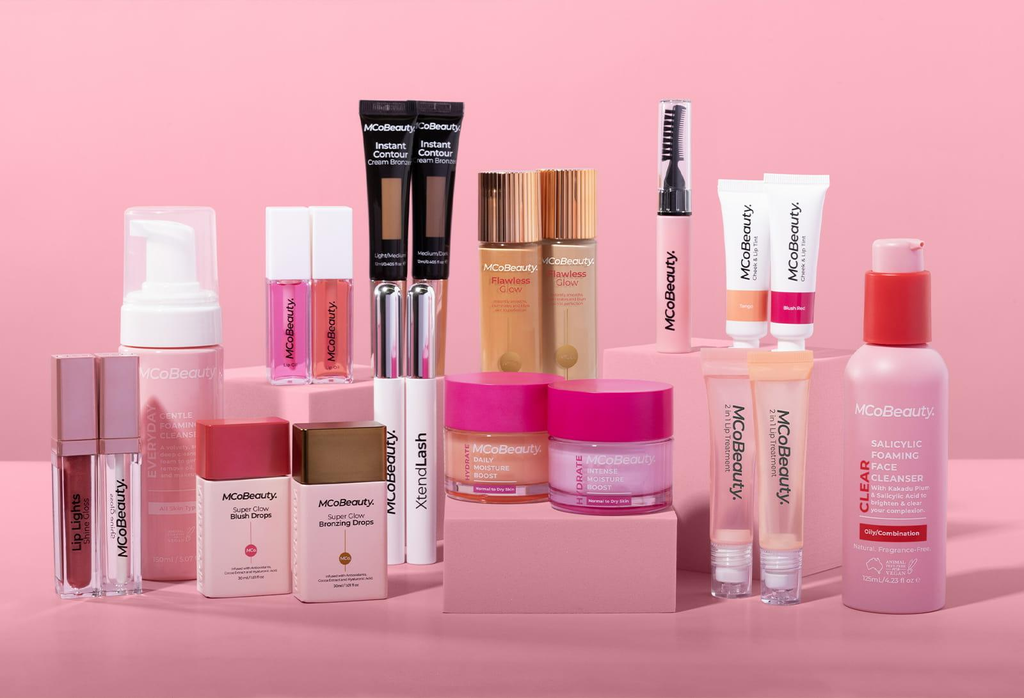
MCoBeauty has actively embraced the dupe positioning, offering lower-priced alternatives to popular premium beauty products. Its business model shows that imitating a consumer proposition can become a commercial positioning strategy.
Its growth has also brought intellectual property disputes, illustrating the risks of pushing similarity too far.

6. Dossier and designer-inspired perfumes
Dossier sells fragrances positioned as affordable alternatives to well-known designer scents. For example, its Ambery Saffron is positioned as an alternative to Baccarat Rouge 540.
Marketing implication: Consumers may value the fragrance experience more than the designer label. This creates an opportunity for challengers to compete on the product experience rather than brand heritage. The Washington Post
4. What does dupe culture mean for marketing?
This is where the phenomenon becomes particularly interesting from a marketing strategy perspective.
A. The traditional concept of brand equity is being challenged
Traditionally, marketers built brand equity through awareness, associations, perceived quality and loyalty.
A strong brand could command a premium because consumers believed it offered something distinctive.
Dupe culture questions this assumption.
If a consumer can obtain 80–90% of the perceived benefit at 20% of the price, the original brand has to justify the remaining premium.
The challenge is no longer simply to create awareness or desire. It is to establish a meaningful and defensible difference.
B. Product differentiation becomes more important than advertising differentiation
A brand can spend millions on celebrity endorsements, influencers and advertising. However, if competitors can easily replicate it, the competitive advantage may be temporary.
Marketing must increasingly communicate tangible differentiation:
- Superior ingredients and formulations.
- Better functionality and performance.
- Product durability.
- Research and innovation.
- Customer service and after-sales support.
- Proven results and product reliability.
In other words, marketing claims must be supported by product evidence.
C. The meaning of premium pricing changes
Premium pricing was traditionally justified through a combination of quality, brand image, status, exclusivity and emotional appeal.
Dupe culture forces brands to examine which of these actually drives willingness to pay.
A premium brand cannot assume that consumers will continue paying more simply because it is premium.
It must identify the specific reasons why its customers are willing to pay that premium.
D. Influencer marketing becomes more complicated
Influencers were traditionally used to create aspiration and encourage consumers to purchase the original product.
Today, many influencers are equally influential when recommending cheaper alternatives.
The content format has changed from:
Why you should buy this product.
To-
Why should you pay more when this alternative does almost the same thing?
This is a significant change in the economics of influencer marketing. Brands must compete not only for attention but also for credibility in product comparisons.
E. Brand loyalty becomes more conditional
Consumers may like a brand without being loyal.
They might buy a premium skincare product but choose an affordable alternative next time.
They might own original branded sneakers but experiment with cheaper alternatives for seasonal fashion.
This suggests that loyalty increasingly depends on the perceived value delivered at each purchase occasion.
5. Implications for business strategy
Dupe culture is not merely a marketing challenge. It can influence product development, pricing, distribution, profitability and competitive positioning.
| Business area | Potential implication |
|---|---|
| Product development | Faster imitation reduces the time available to recover innovation investments. |
| Pricing | Premium brands face pressure to justify price differences. |
| Competition | New entrants can compete without investing in decades of brand building. |
| Distribution | Marketplaces make alternatives easier to discover and compare. |
| Margins | Brands may face pressure to introduce lower-priced offerings. |
| Innovation | Continuous product improvement becomes essential. |
| Intellectual property | Greater risk of trademark, design and trade dress disputes. |
| Customer acquisition | Dupe discussions can introduce original brands to new consumers. |
Three strategic responses available to established brands
1. Fight the dupes through differentiation
This is appropriate when the original has a demonstrable advantage.
For example, a skincare company can establish superiority through clinical evidence, ingredient quality, formulation expertise and documented product performance.
The objective is to move the conversation away from price and towards outcomes.
2. Embrace the dupe conversation
Instead of ignoring or criticising consumers, brands can participate in the conversation.
Lululemon’s Dupe Swap is an excellent example. Olaplex also played with the concept through its influencer-led Oladupé campaign, which ultimately directed consumers to the genuine product.
The objective is to convert competitive attention into brand awareness, trial and acquisition.
3. Create a value-oriented product portfolio
Brands can introduce more accessible product lines without diluting the positioning of their flagship offerings.
This could involve:
- Smaller pack sizes.
- Entry-level product ranges.
- Simplified formulations.
- Direct-to-consumer offerings.
- Products with fewer features but attractive pricing.
The challenge is to avoid cannibalising the premium range.
6. What does this mean for Indian businesses?
India is an especially interesting market for dupe culture because of its price sensitivity, aspirational consumption, expanding e-commerce ecosystem, and growing number of digitally influenced consumers.
Consider a few categories.
Beauty and cosmetics
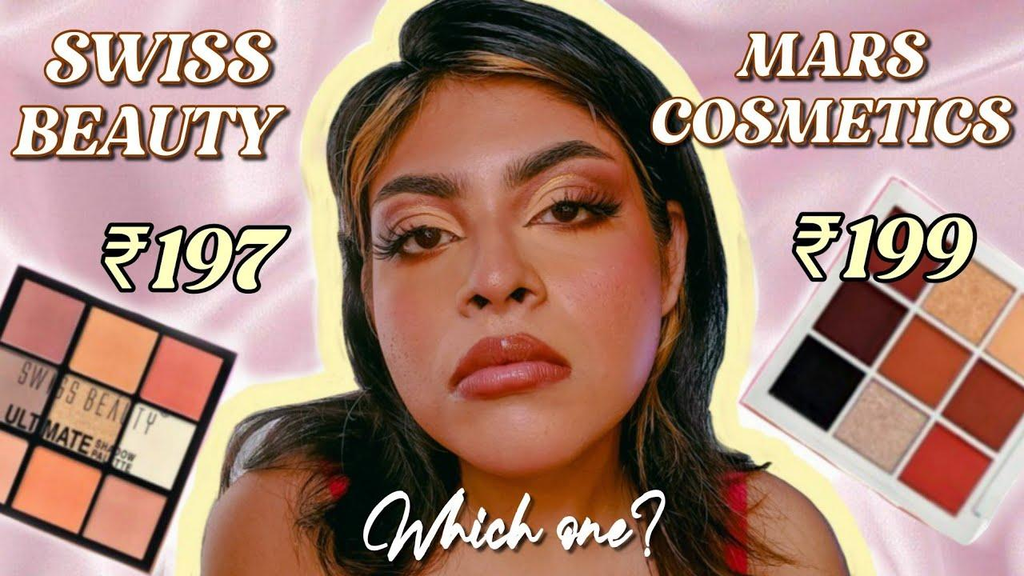
Brands such as Swiss Beauty, MARS Cosmetics and Insight Cosmetics compete in a market where consumers actively compare affordable products with international premium alternatives.
The opportunity is to offer attractive formulations and performance at accessible prices.
Fashion and accessories
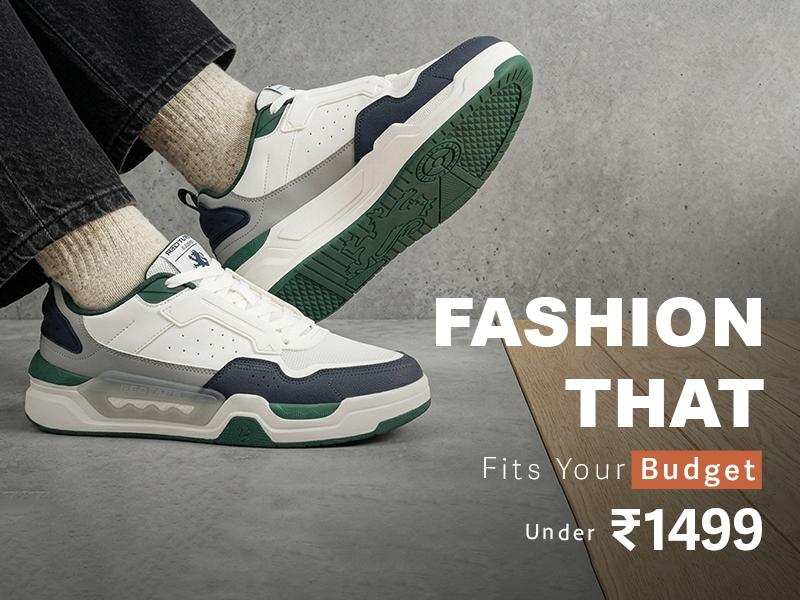
Affordable alternatives to premium handbags, footwear, watches and clothing are widely available through online marketplaces and fast-fashion retailers.
The opportunity is to translate fashion trends into affordable products quickly, while developing an independent identity.
Fragrances
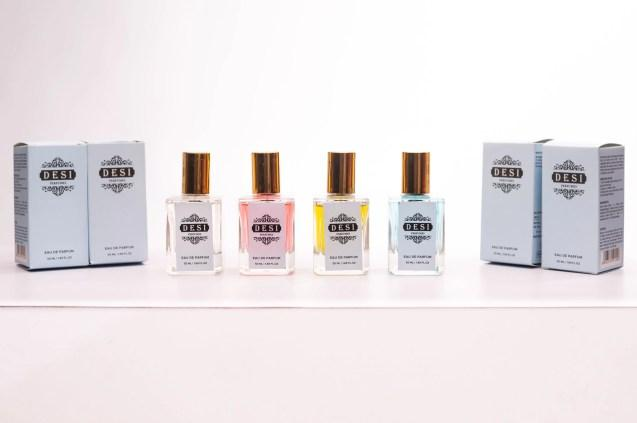
Affordable brands such as The Man Company and Beardo operate in a market where consumers increasingly explore fragrances inspired by international luxury scent profiles.
The opportunity is to offer distinctive fragrance experiences without the cost structures associated with luxury positioning.
Food and private labels
Retailers can develop products that compete with established FMCG brands on quality, packaging, price and convenience.
Private labels can use retailer relationships, distribution strength and consumer data to compete with national brands.
An important distinction: these are examples of affordable competition and adjacent market dynamics, not necessarily proof that each brand is a direct dupe of another. Dupe culture should not become a convenient label for every lower-priced competitor.
7. The paradox: Being copied can actually strengthen the original brand
There is an interesting contradiction here.
When a product is frequently copied, it can become even more desirable because consumers recognise it as influential.
Being copied can signal:
- Market leadership.
- Strong product recognition.
- Cultural relevance.
- Desirability.
- Trendsetting ability.
McKinsey and Business of Fashion’s 2025 beauty research found that 53% of global consumers were open to buying dupes, while 50% expressed concerns about their quality. This illustrates the opportunity for original brands to demonstrate why the genuine product is worth buying. McKinsey & Company
However, being copied is not always a compliment. For a smaller business, imitation can undermine its ability to recover R&D, design and customer acquisition investments.
The impact depends on the strength of the original brand, the ease of replication and the degree of differentiation.
8. Five lessons for marketers and business leaders
I would draw five important lessons from the rise of dupe culture.
Lesson 1: Consumers are not necessarily rejecting brands; they are questioning the premium.
A consumer may admire Gucci, Dior or Apple but still choose an alternative. The aspiration remains, but the willingness to pay is changing.
Lesson 2: Product superiority must be demonstrable.
Brand storytelling can create desire, but product performance must justify the price. The stronger the evidence of differentiation, the more defensible the premium.
Lesson 3: Innovation is no longer a one-time competitive advantage.
The faster competitors can replicate products, the shorter the period during which an innovation can command a premium. Businesses must continuously innovate.
Lesson 4: Affordable competition can create new markets.
A dupe can introduce consumers to a category they previously considered unaffordable. Some of these consumers may eventually upgrade to the original brand.
Lesson 5: Businesses must decide what they are actually selling.
Are they selling functionality, quality, design, status, exclusivity, identity or an experience?
If the consumer only values functionality, a dupe is a serious threat. If the consumer values identity, heritage, craftsmanship and belonging, the original brand has a stronger defence.
9. A useful framework: The Dupe Vulnerability Test
Businesses can evaluate how vulnerable their products are to dupe culture by examining five dimensions.
| Dimension | Key question |
|---|---|
| Functional differentiation | Can competitors replicate the product’s performance? |
| Emotional differentiation | Does the brand have a strong emotional connection? |
| Symbolic value | Does owning the original communicate status or identity? |
| Innovation advantage | Does the company have proprietary technology, formulation or design? |
| Customer experience | Does the original offer something beyond the physical product? |
A brand that scores poorly across these dimensions is particularly vulnerable to price-based imitation.
10. The bigger marketing question
Perhaps the most interesting implication of dupe culture is that it challenges one of marketing’s oldest assumptions: that a strong brand can consistently command a price premium.
For decades, marketers have tried to create a gap between a product’s perceived value and its actual cost. This gap lets brands charge more.
Dupe culture is attempting to close that gap by giving consumers alternatives that deliver much of the perceived benefit at a lower price.
But there is another way of looking at it.
The future of branding may not belong to the brands that are the most expensive or the most imitated. It may belong to those that create a difference consumers can recognise, experience and justify paying for.
The challenge for marketers is therefore not to prevent imitation. It is to create a brand whose value cannot be reduced to the product sitting inside its packaging.