Why Legacy FMCG Brands in India Must Stop Treating Social Media Like a Billboard
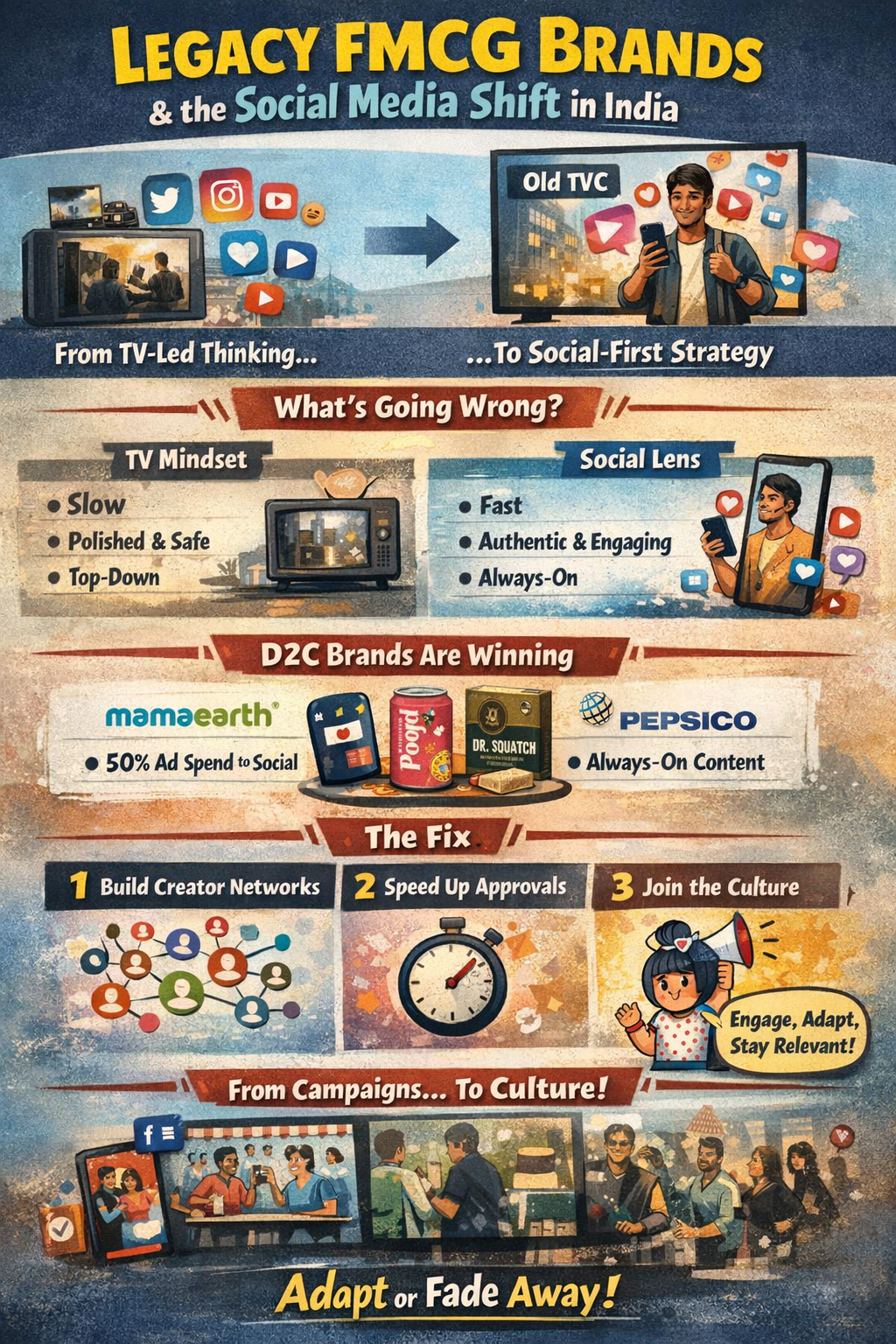
Indian FMCG brands must rethink social media strategy. Legacy players need to move from TV-led thinking to social-first marketing to stay relevant and competitive.
There’s a quiet but dangerous disconnect playing out inside the marketing rooms of India’s legacy FMCG giants. On one side sits the perfectly polished television commercial, meticulously crafted, reviewed, and approved. On the other hand, a young creator uploads a spontaneous reel that outperforms the TVC in hours.
This is not a creative gap. It is a mindset gap.
The Reality: India Is Already a Social-First Market

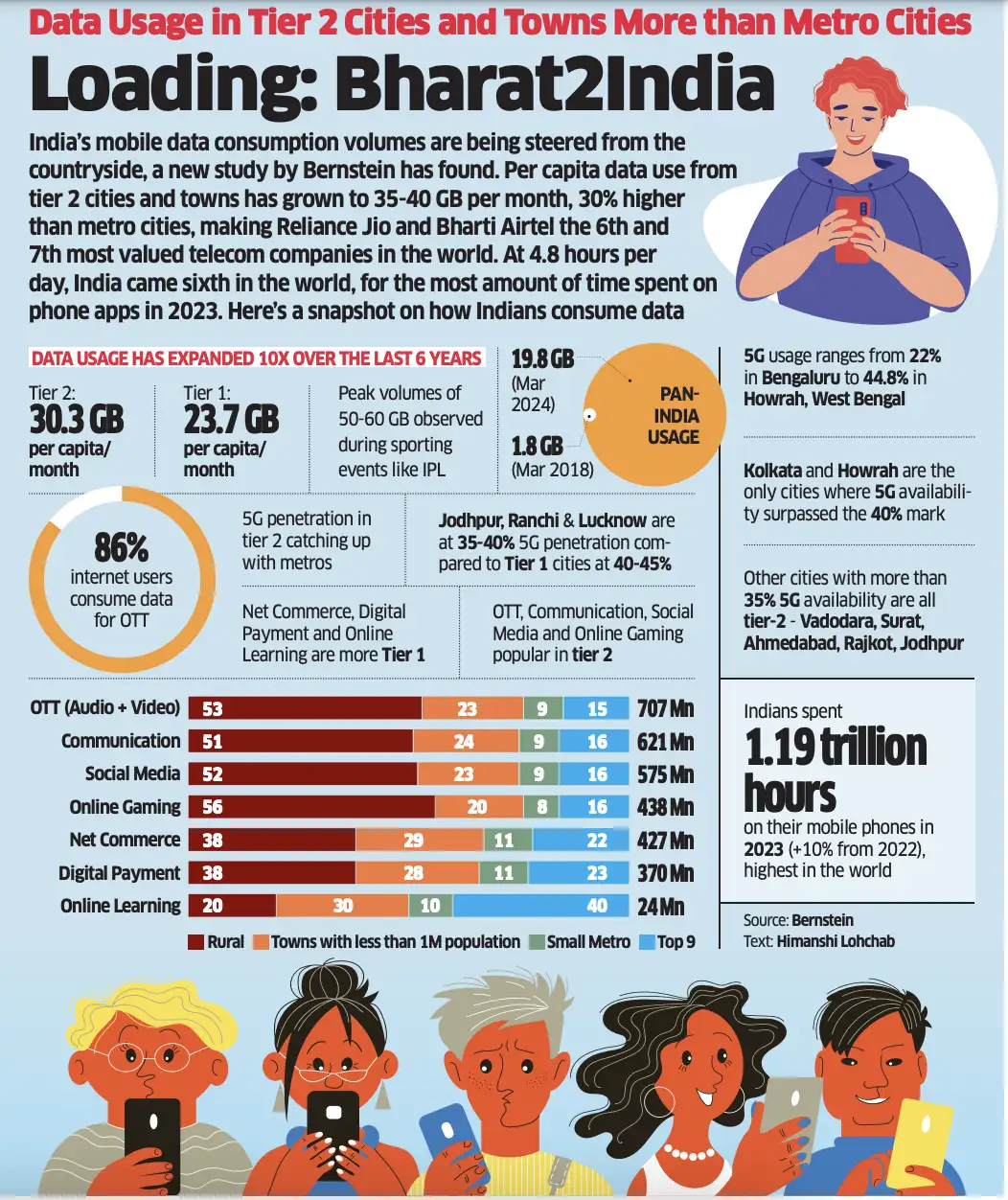
India is not “moving toward” social-first behaviour. It is already there.
- 450M+ active social media users
- Among the highest mobile data consumption globally
- Social and short-form video are driving the fastest digital ad growth
- Influencer marketing projected to reach ₹3,375 crore by 2026
For a Tier 2 consumer, Instagram or YouTube is not just entertainment.
It is discovery, validation, and decision-making, all in one place.
Yet many legacy brands still treat social as a distribution channel rather than a thinking system.
Where Legacy FMCG Brands Are Falling Short
1. Social Gets Budget, Not Strategy
Companies like Hindustan Unilever, Godrej Consumer Products, and Dabur are investing in digital.
But
- Creative ambition still sits with TV
- Senior decision-making still prioritises traditional media
- Social is often an afterthought adaptation
2. Television Thinking Applied to Social
This is the core issue.
| Television | Social Media |
|---|---|
| High polish | Raw authenticity |
| Campaign bursts | Always-on |
| Controlled narrative | Open conversation |
| Weeks of approval | Hours of relevance |
A six-week approval cycle produces content that is
- Safe
- Sanitised
- Invisible
What Global Leaders Have Already Accepted
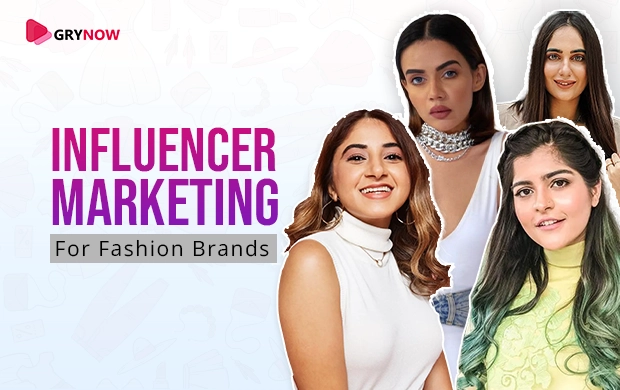
Structural Shifts, Not Experiments
- Unilever is shifting 50% of ad spend to social
- PepsiCo is restructuring agencies for always-on content creation
- Acquisitions like Poppi and Dr Squatch are buying social-native DNA, not just products
Key insight
Social is no longer a media choice.
It is an organisational capability.
The Indian D2C Wake-Up Call

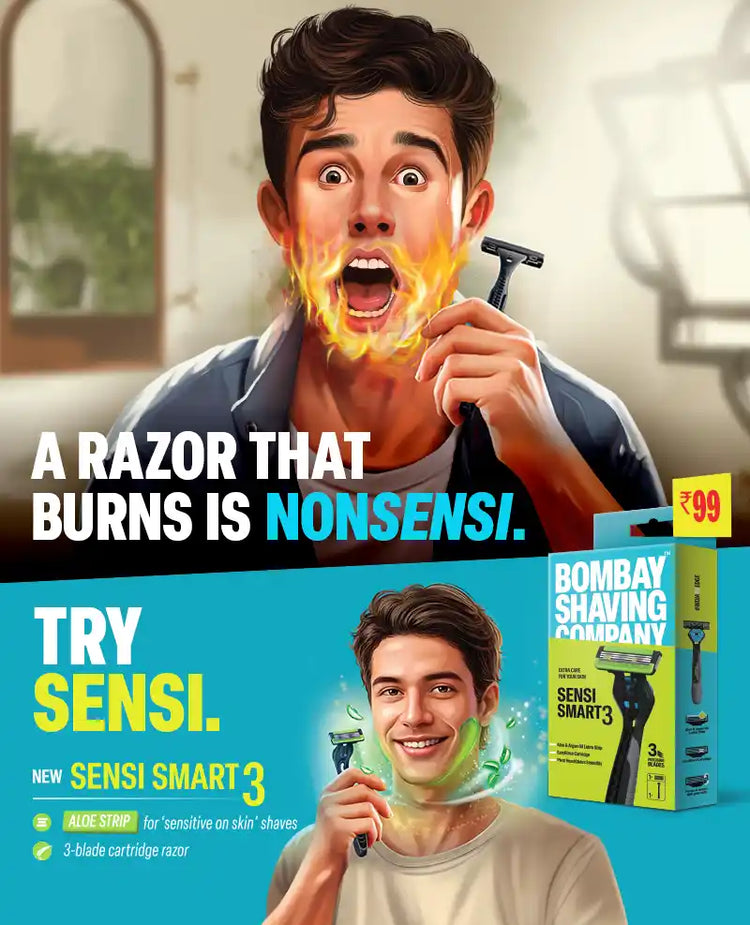

Brands like
- Mamaearth
- Bombay Shaving Company
- WOW Skin Science
did not win by outspending incumbents.
They won by
- Building creator ecosystems
- Leveraging founder storytelling
- Driving community engagement
- Prioritising user-generated content over polished ads
Case in point
Mamaearth reached unicorn status in under six years, largely through social-first growth.
Legacy brands did not ignore them.
They acquired them at a premium.
The Real Problem: Behaviour, Not Budget
Increasing spend without changing behaviour leads to
- High reach
- Low resonance
- Minimal recall
Common Failure Modes
- Over-sanitised content
- Slow response to trends
- Over-reliance on macro influencers
- Lack of platform-native storytelling
Missed Moments Matter
When demand for Parle-G surged during the lockdown
- The cultural moment was massive
- Social amplification was minimal
A nimble brand could have
- Owned the narrative
- Built emotional equity
- Created long-term recall
Instead, the moment passed.
The Opportunity: Legacy Advantage Still Exists


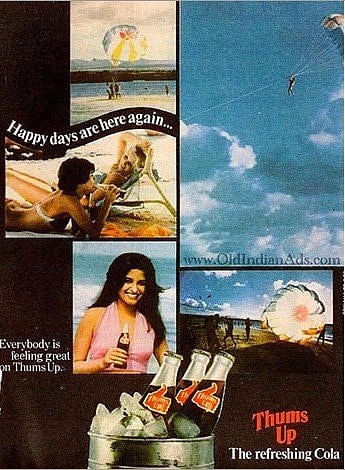
Legacy brands are not disadvantaged.
They are under-leveraging their strengths.
Unique Assets They Already Have
- Decades of trust
- Cultural memory
- Iconic brand properties
Example
Amul
- Its topical ads are fast, relevant, and culturally sharp
- The format is consistent
- The tone is unmistakable
It does not imitate trends.
It participates in culture on its own terms.
What Social-First Actually Means
This is where most organisations get it wrong.
It is not about
- Posting more
- Hiring influencers
- Increasing budgets
It is about rewiring the organisation.
1. Build Creator Networks, Not Campaigns
- Move beyond one-off influencer deals
- Develop micro- and nano-influencer ecosystems
- Focus on trust clusters, not just reach
2. Redesign Approval Systems
- Content turnaround must be under 24 hours
- Empower brand managers to act
- Accept calculated creative risks.
Speed is not operational efficiency.
It is a strategic advantage.
3. Build In-House Social Muscle
Outsourcing alone will not work.
Required capabilities
- Social listening
- Real-time content creation
- Platform-native storytelling
- Meme literacy and cultural fluency
4. Upgrade Measurement Frameworks
Move beyond GRPs and static metrics.
Track
- Engagement rate
- Share of conversation
- Creator-attributed sales
- Community growth
The data exists.
The hesitation is cultural.
The Strategic Shift: From Campaigns to Culture
The biggest transition required is philosophical.
Old Model
Campaign → Launch → Measure → Repeat
New Model
Listen → Create → Engage → Iterate → Stay present
The Uncomfortable Truth
Legacy FMCG brands built dominance through
- Distribution strength
- Television scale
- Category familiarity
Those advantages still matter.
But they are no longer sufficient.
Today’s consumer
- Discovers in a feed
- Decides in seconds
- Trusts creators over campaigns
If your brand is not
- Visible
- Relevant
- Credible
On social platforms, it effectively does not exist for that consumer.
Final Takeaway
The cost of inaction is not immediate decline.
It is silent erosion.
- Lost mindshare
- Missed cultural moments
- Weakening relevance
And by the time it shows up in market share,
It is already too late.
Social is not a channel to be mastered.
It is a language to become fluent in.
Legacy brands do not need to become younger.
They need to become faster, braver, and more culturally present.