The Recognition-Relevance Gap: Why Being Known Is Not the Same as Being Chosen

Consumers may recognise a brand without having a reason to buy it. This article explores the Recognition-Relevance Gap and why awareness, familiarity, consideration and preference are distinct commercial assets.
The Recognition-Relevance Gap is one of the most overlooked challenges in brand management. A brand can be instantly recognisable, widely advertised and frequently discussed, yet still struggle to convince consumers to buy it. People may recognise its logo, recall its advertising jingle and even know what it sells. But when it is time to make a purchase, they may choose a competitor.
A brand can be instantly recognisable, widely advertised and frequently discussed, yet still struggle to convince consumers to buy it. People may recognise its logo, recall its advertising jingle and even know what it sells. But when it is time to make a purchase, they may choose a competitor.
This is the Recognition-Relevance Gap: the difference between a brand that consumers know and a brand they have a compelling reason to choose.
Many businesses measure brand success through awareness scores, advertising recall, social media reach and visibility. These are useful indicators, but they do not necessarily translate into preference, consideration or sales. A consumer recognising a brand is not the same as wanting it. Familiarity does not automatically create relevance, and relevance does not always create preference.
The problem is that brands often celebrate the first achievement while assuming the others will follow.
Recognition Is Only the Beginning
Recognition is the ability to identify a brand when consumers encounter its name, logo, packaging, colours or other distinctive assets.
Think of brands such as Amul or Parle-G. Their visual identities are deeply embedded in Indian consumer culture. Their packaging and logos are familiar across generations.
But recognition alone does not explain why someone buys one brand over another.
A consumer might recognise several smartphone brands, but eventually choose one based on camera quality, operating system, price, after-sales service or perceived status.
Similarly, a shopper may recognise multiple detergent brands but select one because of stain removal, affordability, fragrance or a recommendation from someone they trust.
Recognition makes a brand mentally available. It does not necessarily make it commercially attractive.
This distinction becomes particularly important in categories where consumers have numerous alternatives and switching costs are relatively low.
Four Stages Between Knowing and Choosing
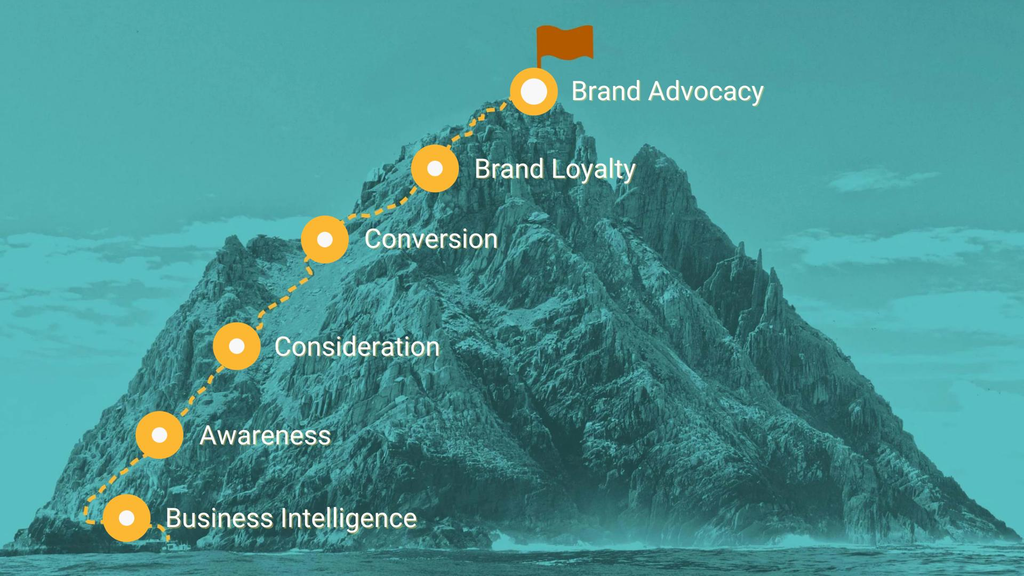
The journey from recognition to purchase is not automatic. It involves four distinct stages, each with its own psychological and commercial barriers.
The Recognition-to-Choice Framework
- RECOGNISED I know this brand. The brand has achieved visibility and familiarity. Barrier: Lack of visibility or distinctive identity
- REMEMBERED I think of this brand when I need something. The brand enters the consumer’s memory in a relevant buying situation. Barrier: Weak category or occasion association
- CONSIDERED This brand could meet my needs. The brand becomes a credible option among alternatives. Barrier: Weak value proposition or lack of trust
- CHOSEN This is the brand I want to buy. The consumer acts on preference and makes a purchase. Commercial outcome Barrier: Price, availability, experience or competitive advantage
Let’s examine what happens at each transition.
1. Recognised to Remembered: From Visibility to Mental Availability
A consumer may recognise a brand but fail to recall it when a relevant need arises.
For instance, someone may recognise Asian Paints from its advertising, but when planning a home renovation, may first think of a local painter’s recommendation or another paint brand.
The challenge is not awareness. It is mental availability.
Mental availability refers to the likelihood that a brand comes to mind in buying situations. Brands need to establish associations with relevant consumer needs, occasions and usage situations.
Consider Fevicol. Its advertising has consistently reinforced the idea of an exceptionally strong bond. The brand is not merely recognised as an adhesive manufacturer; it is strongly associated with the problem of things coming apart and the need to keep them together.
This association makes Fevicol easier to recall when consumers think about adhesives.
The lesson is that advertising should do more than make a brand visible. It must create memorable connections between the brand and situations in which consumers might need it.
The question marketers should ask: When consumers face a particular need, does our brand come to mind spontaneously?
2. Remembered to Considered: From Recall to Relevance
This is where many brands encounter a more serious problem.
A consumer may remember a brand but not consider it suitable for their requirements.
Take the smartphone market. Many Indian consumers recognise and remember Apple. However, recognition does not automatically place an iPhone within everyone’s consideration set.
Price, operating preferences, product specifications and perceived value influence whether the brand is seriously evaluated.
A consumer may admire the product but consider it financially impractical.
The same principle applies to automobiles. Royal Enfield has built strong recall around motorcycling, heritage and individuality. However, not every motorcycle buyer will consider it. Some may prioritise mileage, affordability, lightweight handling or daily commuting convenience.
A brand becomes relevant when consumers believe it addresses their specific needs.
This requires a clear value proposition. The brand must communicate:
- What problem does it solve?
- Who is it particularly suitable for?
- What makes its offering meaningful?
- Why should consumers believe its claims?
- How does it compare with available alternatives?
Without satisfactory answers, a brand can remain memorable but commercially irrelevant.
3. Considered to Chosen: From Preference to Purchase
Even when consumers consider a brand, the final purchase is not guaranteed.
A shopper may shortlist three television brands, compare their specifications and prices, and eventually select the one offering the best combination of features, service and value.
The final decision is influenced by several factors:
- Price and affordability: Does the product justify its price?
- Trust: Does the consumer believe the brand will deliver?
- Availability: Is the product easily accessible?
- Experience: Have previous interactions been satisfactory?
- Competitive differentiation: Is there a convincing reason to choose this brand over others?
Consider Titan. Its success in the Indian watch market is not simply a result of brand recognition. It has built a differentiated proposition through design, product variety, retail presence and associations with gifting and personal milestones.
Consumers can recognise several watch brands, but Titan has given many of them reasons to consider and purchase its products.
The transition from consideration to choice is where marketing promises must meet actual business performance.
A compelling advertisement cannot compensate indefinitely for poor product quality, inconsistent service or inadequate distribution.
Why Indian Brands Often Confuse Awareness with Preference

The Indian marketing environment makes this distinction particularly important.
With growing competition, digital advertising and expanding consumer choices, brands can achieve visibility relatively quickly. However, converting that visibility into preference requires sustained investment.
There are three common mistakes.
1. Celebrating reach instead of relevance
A campaign generates millions of impressions, receives substantial social media engagement and achieves impressive advertising recall.
The marketing team celebrates its success.
But did consumers associate the campaign with the brand? Did it strengthen the brand’s position in the category? Did it influence consideration or purchase?
A viral campaign can make people remember an advertisement without necessarily making them remember the advertiser.
This is particularly relevant in categories where creative execution attracts more attention than the product proposition.
2. Mistaking familiarity for trust
Familiarity makes a brand feel known. Trust makes consumers comfortable choosing it.
These are different outcomes.
For example, in financial services, consumers may recognise several banks and insurance companies. However, they may choose one based on perceived reliability, transparency, claims experience, service quality and recommendations.
In categories involving significant financial or emotional risk, familiarity without credibility may be insufficient.
3. Assuming that a strong brand image guarantees purchase
A brand may enjoy aspirational appeal without being accessible or affordable.
Premium fashion, automobiles and consumer electronics provide several examples.
Consumers may admire a brand, follow its social media accounts and aspire to own its products. But admiration is not the same as purchase intent.
The gap between aspiration and actual buying behaviour can be substantial.
Brands need to understand whether they are building an audience of admirers or a customer base of buyers.
The Measurement Problem: Are We Measuring the Right Things?
One reason the Recognition-Relevance Gap persists is that awareness is relatively easy to measure.
Marketers can track reach, impressions, brand recall, search volume and social media mentions. Measuring genuine preference and purchase propensity is more complex.
A more meaningful measurement framework should examine all four stages.
| Stage | What to measure | Key question |
|---|---|---|
| Recognised | Aided and unaided awareness | Do consumers know us? |
| Remembered | Category and occasion recall | Do they think of us when needed? |
| Considered | Consideration and relevance scores | Are we on their shortlist? |
| Chosen | Conversion, repeat purchase and market share | Do they actually buy us? |
Importantly, these metrics should be examined together.
A brand with high awareness but low consideration may have a positioning or relevance problem. High consideration but low conversion could indicate pricing, availability, trust or competitive weaknesses.
Low repeat purchase despite strong acquisition may suggest that the actual experience is failing to reinforce the original promise.
Each pattern requires a different intervention. Increasing advertising expenditure is not necessarily the answer.
Closing the Gap: Build Reasons to Choose
Closing the Recognition-Relevance Gap requires a shift in marketing priorities.
- First, brands must establish strong category associations. Consumers should know not just the brand, but the needs and occasions it is designed to serve.
- Second, the value proposition must be meaningful and differentiated. Being different for the sake of being different has limited commercial value. The difference must matter to the consumer.
- Third, marketing promises must be supported by product quality, pricing, distribution and customer experience. Relevance cannot be manufactured through communication alone.
- Finally, brands must continuously evaluate whether their marketing investments are improving consideration and preference, rather than merely increasing visibility.
The Real Measure of a Strong Brand
A brand does not become commercially powerful simply because everyone knows it.
It becomes powerful when consumers remember it at the right moment, consider it a credible solution and have a compelling reason to choose it over alternatives.
Recognition creates familiarity. Relevance creates consideration. Preference creates choice. And a consistently satisfying experience creates the possibility of loyalty.
These are connected outcomes, but they are not interchangeable.
Perhaps the most important question for any marketing team is not, How many people recognise our brand?
It is:
Of the people who recognise us, how many would genuinely consider buying us, and more importantly, why would they choose us?
That is where brand awareness begins to translate into business value.
Takeaway: Being known gets a brand noticed. Being relevant gets it considered. Being preferred gets it chosen.