When Prices Rise, Empathy Becomes a Brand Strategy: How Indian Marketers Should Respond to Consumer Anxiety

When prices rise and household budgets come under pressure, brands need more than discounts to retain consumers. Explore how Indian marketers can use empathy, transparency and value-driven strategies to build trust and customer loyalty.
In a price-sensitive market like India, consumers don’t just notice price increases. They question value, reconsider priorities and sometimes rethink their relationship with brands. Companies that respond with empathy, transparency, and genuine value could emerge stronger.
The Consumer Is Feeling the Pinch
Imagine a consumer who has been buying the same brand of cooking oil for three years. One morning, she notices that the price has increased. A few days later, her favourite shampoo costs more. Her monthly grocery bill is steadily climbing, and the family is beginning to reconsider some discretionary purchases.
For the consumer, these are not isolated price increases. They remind households that budgets are under pressure.
This is the challenge facing marketers today. Global trade tensions, import duties, currency fluctuations, rising input costs and supply-chain disruptions can eventually find their way into the prices consumers pay. Even when a company has little control over these developments, consumers experience their consequences at the retail counter.
India presents an interesting case. Its consumers are diverse, value-conscious and increasingly informed. They may be willing to pay a premium for a product, but they want to understand what justifies that premium.
For marketers, the challenge isn’t simply communicating a price increase. It is how to protect consumer confidence when purchasing power comes under pressure.
1. Understand the Consumer Before Changing the Marketing Strategy
When costs rise, businesses are tempted to protect margins through price increases, smaller packaging, or reduced promotional spending.
However, the impact rarely affects consumer segments equally.
A household buying premium imported chocolates may respond differently from a family purchasing everyday groceries. A young professional buying a smartphone may postpone the purchase, while a small business owner may have no choice but to replace essential equipment.
Consider the Indian FMCG market. Consumers frequently respond to rising prices by shifting from larger packs to smaller packs, moving to regional brands or choosing private labels.
The popularity of sachets in categories such as shampoo, detergent and personal care demonstrates how brands have historically adapted to Indian purchasing behaviour.
The lesson is important: affordability is not necessarily about offering the cheapest product. It is about making the product accessible within the consumer’s available budget.
Marketers should therefore examine changes in purchase frequency, pack sizes, brand switching and category consumption before deciding how to respond.
2. Transparency Is More Valuable Than Clever Communication
Consumers understand that businesses face cost pressures. What they dislike is feeling that brands are hiding something.
If imported ingredients, packaging materials or components become more expensive, companies should consider explaining the reasons behind a price revision.
For instance, an Indian electronics brand that depends on imported components could explain how currency movements and component costs affect product pricing.
Similarly, a packaged food company could explain why a particular product has become more expensive rather than simply announcing a revised MRP.
This does not mean brands should publish their entire cost structure. It means providing sufficient information to make the change understandable.
Consider the trust brands such as Amul have built through consistent communication and a strong association with everyday Indian consumption. Consumers recognise the brand’s place in their daily lives.
When businesses communicate openly, they have a better chance of retaining that confidence.
There is a difference between telling consumers that prices have increased and helping them understand why.
3. Give Consumers More Ways to Manage Their Spending
One of the most practical responses to consumer anxiety is to rethink the way products are offered.
Indian companies have considerable experience in this area.


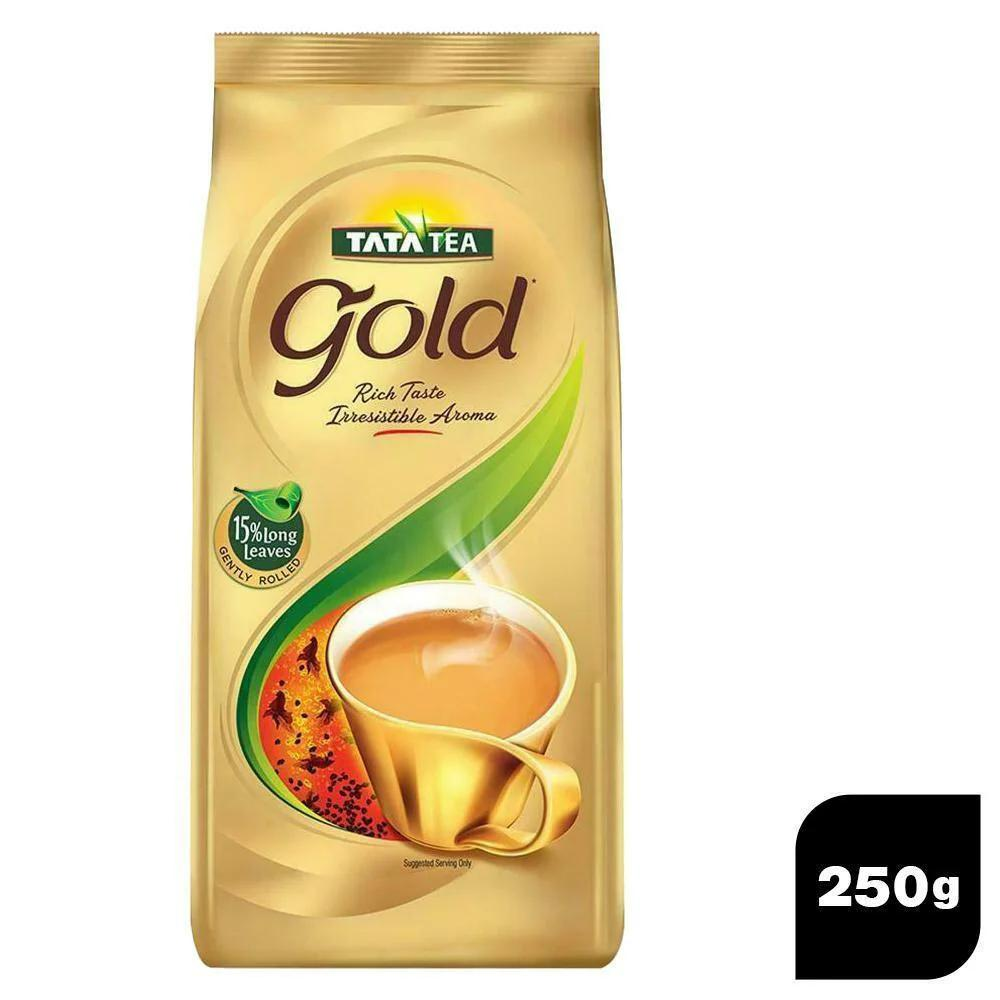
The sachet revolution in India is an excellent example. Brands such as Hindustan Unilever have used smaller packs to make personal care products accessible to consumers who may not be comfortable spending on larger quantities.
Similarly, Parle-G has built its business around affordability and accessibility.
These examples illustrate an important marketing principle: consumers shouldn’t always have to abandon a brand when their budgets tighten.
Brands can explore:
– Smaller packs and trial-size offerings.
– Affordable product variants without compromising essential quality.
– Refill formats that reduce packaging costs.
– Subscription plans with predictable pricing.
– Bundles that offer genuine savings.
– Loyalty benefits that reward repeat purchases.
The objective is to protect consumers’ ability to keep buying while ensuring the business remains commercially sustainable.
4. Sell Value, Not Just Price
When consumers become cautious about spending, marketers often respond with discounts. While promotions can stimulate short-term demand, excessive discounting can weaken brand positioning and train consumers to wait for the next offer.
A better approach is to reinforce the value proposition.
Consider the Indian automobile market. A consumer evaluating a car is not necessarily looking for the lowest purchase price. Fuel efficiency, maintenance costs, resale value, reliability and safety also influence the decision.
Brands such as Maruti Suzuki have built strong associations with affordability, service accessibility and relatively economical ownership.
Similarly, Tata Motors has increasingly used safety as a key element of its passenger-vehicle proposition.
The larger lesson is that value extends beyond the price printed on the product.
A brand can demonstrate value through durability, lower operating costs, better after-sales service, product performance and reliability.
When consumers are anxious about spending, these attributes matter more, not less.
5. Empathy Must Translate Into Business Decisions
Empathy is frequently used in advertising, but its real test is in business decisions.
A brand cannot communicate concern for consumers while simultaneously making purchasing harder through unexplained price increases, misleading offers, or declining product quality.
Consider the Indian e-commerce and quick-commerce ecosystem. Platforms such as Flipkart and Blinkit compete on convenience, availability and perceived value.
When household budgets are under pressure, consumers may become more selective about delivery charges, minimum order values and promotional offers.
A brand that understands this behaviour could respond by offering more relevant bundles, transparent pricing and meaningful loyalty benefits.
Empathy should influence product design, pricing, distribution, customer service and communication.
It should not remain confined to an advertising campaign.
6. Do Not Abandon Your Brand Positioning
Economic uncertainty often encourages companies to change their marketing narratives. Premium brands suddenly start talking about affordability, while value brands attempt to move upmarket.
Such reactions can confuse consumers.
A brand built around premium quality should not suddenly position itself as the cheapest alternative. Instead, it should explain why its quality, performance, or experience still justifies the price.
Likewise, an affordable brand should not compromise its core proposition to pursue higher margins.
Consider Titan. Its portfolio serves different consumer segments, from accessible watches to premium jewellery and luxury offerings. This lets the company address different spending capacities without relying on a single price point.
The broader lesson is to adapt the way consumers access the brand without unnecessarily changing what the brand stands for.
Consistency becomes particularly important when consumers are uncertain about their own financial decisions.
7. Build Confidence, Not Fear
Economic uncertainty can make consumers postpone purchases, particularly in high-involvement categories such as automobiles, appliances, electronics and housing.
Marketers need to reduce perceived buying risk.
This can be achieved through extended warranties, transparent return policies, reliable after-sales service, exchange programmes and flexible payment options.
For example, an appliance manufacturer could offer a longer warranty or a predictable annual maintenance package. An automobile company could strengthen its service commitments and communicate the long-term economics of ownership.
Such initiatives provide reassurance beyond the immediate transaction.
The objective is to make consumers feel that buying the product is a sensible decision, even during uncertain times.
Conclusion: Empathy Is Not a Campaign. It Is a Competitive Advantage.
Economic shocks are difficult for businesses to control. Currency movements, import costs, commodity prices and trade policies can change the economics of entire product categories.
However, how companies respond is largely within their control.
Indian consumers are accustomed to making trade-offs. They compare prices, explore alternatives, shift between brands and evaluate whether a purchase is genuinely worthwhile.
Brands that recognise these behaviours will be better equipped to respond.
The opportunity for marketers is to move beyond promotional offers and develop a more meaningful relationship with consumers through transparent communication, accessible pricing, relevant product choices and consistent value.
Ultimately, consumers may forgive a brand for becoming more expensive. What they are less likely to forgive is feeling that the brand no longer understands them.
In uncertain times, the strongest brands may not necessarily be those that offer the lowest prices. They will be those that give consumers the fewest reasons to question their trust.