Beats by Dre vs The Olympics: Ambush – How a Non-Sponsor Stole the Spotlight
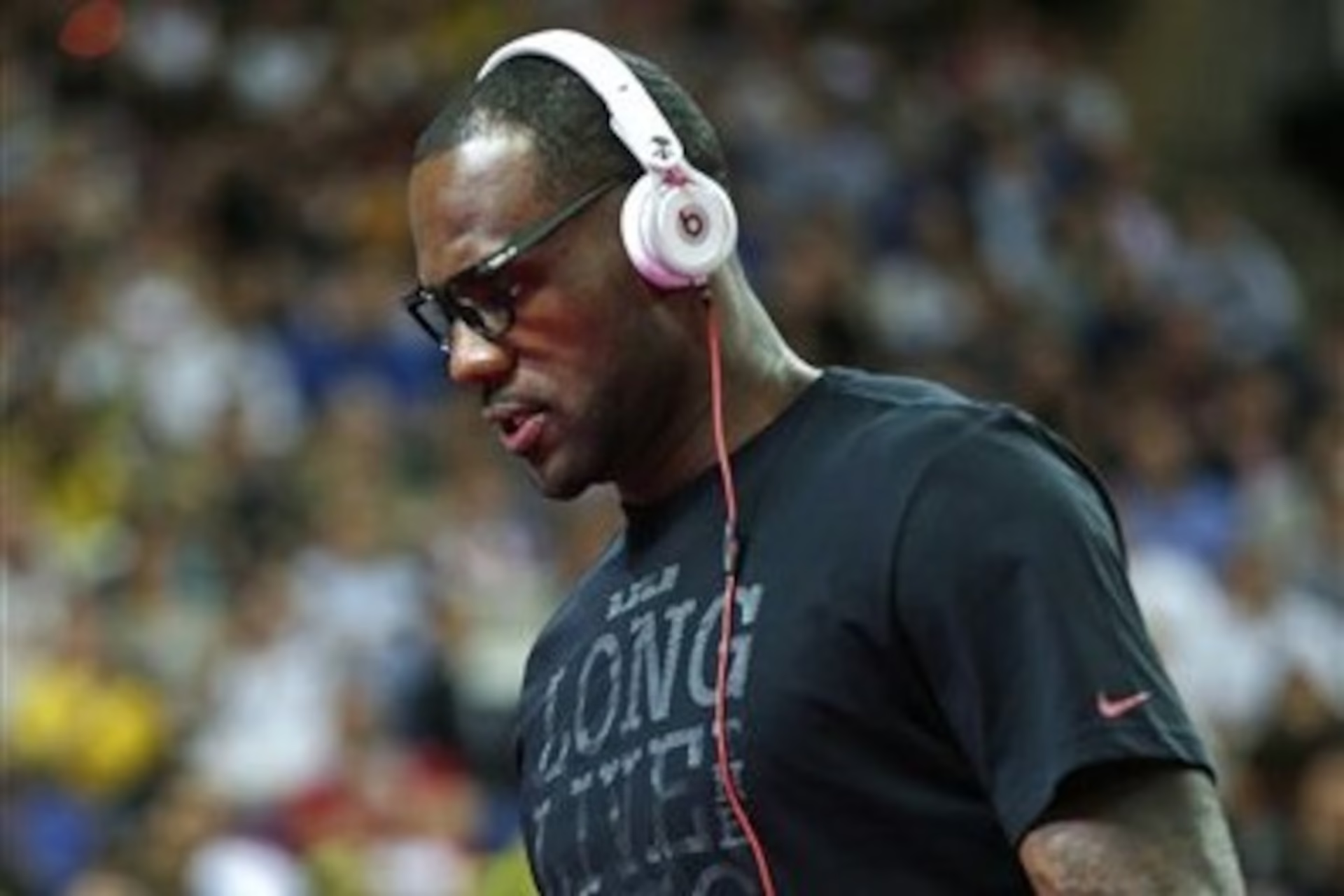
Beats by Dre became one of the most talked-about brands during the London 2012 Olympics without paying for official sponsorship.


Without being an official Olympic sponsor, Beats became one of the most recognisable brands of the London 2012 Games through athlete visibility.
When Visibility Beats Sponsorship
Olympic sponsorship is one of the most expensive investments a brand can make. Official sponsors spend hundreds of millions of dollars for exclusive rights, global visibility, and the ability to associate themselves with one of the world’s biggest sporting events. Yet history has repeatedly shown that paying for sponsorship does not always guarantee the greatest share of public attention.
One of the best examples is Beats by Dre. Although the brand was not an official Olympic sponsor, it became one of the most visible consumer brands during the London 2012 Olympic Games. Athletes wearing Beats headphones while arriving at venues, warming up, travelling, and speaking to the media ensured the distinctive “b” logo was seen by millions of viewers worldwide.
The Challenge
Rather than competing for sponsorship, Beats chose to compete for attention. The company recognised that while sponsors owned the event, they did not own the athletes. If athletes naturally used Beats products, the brand could become part of the Olympic story without claiming official status.


Official sponsors owned the venues. Beats owned the moments before competition.
The Strategy
Instead of investing in sponsorship rights, Beats invested in athletes. The company gifted customised headphones to many of the world’s leading Olympians, often featuring their national colours. The headphones soon became part of the athletes’ pre-competition routine.
Viewers repeatedly saw competitors wearing Beats headphones while:
- Arriving at Olympic venues
- Walking through the Olympic Village
- Travelling between events
- Warming up before competition
- Giving interviews
- Waiting in athlete holding areas
The strategy was simple yet powerful. Rather than buying advertising space, Beats allowed authentic product usage to generate visibility.


Caption: Every stage of the athlete’s journey became an opportunity for brand exposure.
Why the Campaign Worked
The campaign succeeded because it aligned perfectly with existing athlete behaviour. Listening to music before competition helps athletes focus, block distractions, and prepare mentally. Beats became part of that ritual instead of interrupting it.
The product itself also became a marketing asset. The oversized “b” logo was instantly recognisable, allowing viewers to identify the brand even during brief television appearances.
Key Success Factors
- Authentic athlete usage
- Distinctive product design
- Continuous television visibility
- Social media amplification
- Association with elite performance
- No false claim of official sponsorship
The Power of Product Design


The iconic “b” logo transformed every television appearance into instant brand recognition.
The Impact on Official Sponsors
The success of Beats highlighted one of the biggest challenges for organisers of global sporting events. Sponsorship contracts can control advertising, venue branding, and official communications, but they cannot easily regulate the products athletes voluntarily choose to use.
By staying within legal boundaries and avoiding any claim of official association, Beats demonstrated that brands can build massive visibility through smart execution rather than expensive sponsorship rights.
Marketing Lessons
The campaign continues to offer valuable lessons for marketers.
What Brands Can Learn
- Own behaviour, not the event.
- Products can become media.
- Authenticity wins.
- Design matters.
- Cultural relevance often beats contractual rights.
Conclusion
The Beats by Dre campaign during the London 2012 Olympics remains one of the finest examples of ambush marketing. Instead of investing enormous sums in sponsorship rights, the company invested in athletes and authentic product experiences. By making its headphones part of the competitors’ journey, Beats achieved extraordinary global visibility and strengthened its premium brand image.
The campaign reminds marketers that visibility is not always bought through sponsorship. Sometimes it is earned through relevance, authenticity, and smart execution. In the battle between official rights and public attention, Beats proved that winning the conversation can be just as valuable as owning the event.