Global Brands, Local Hearts: Why Culture Can Make or Break Marketing
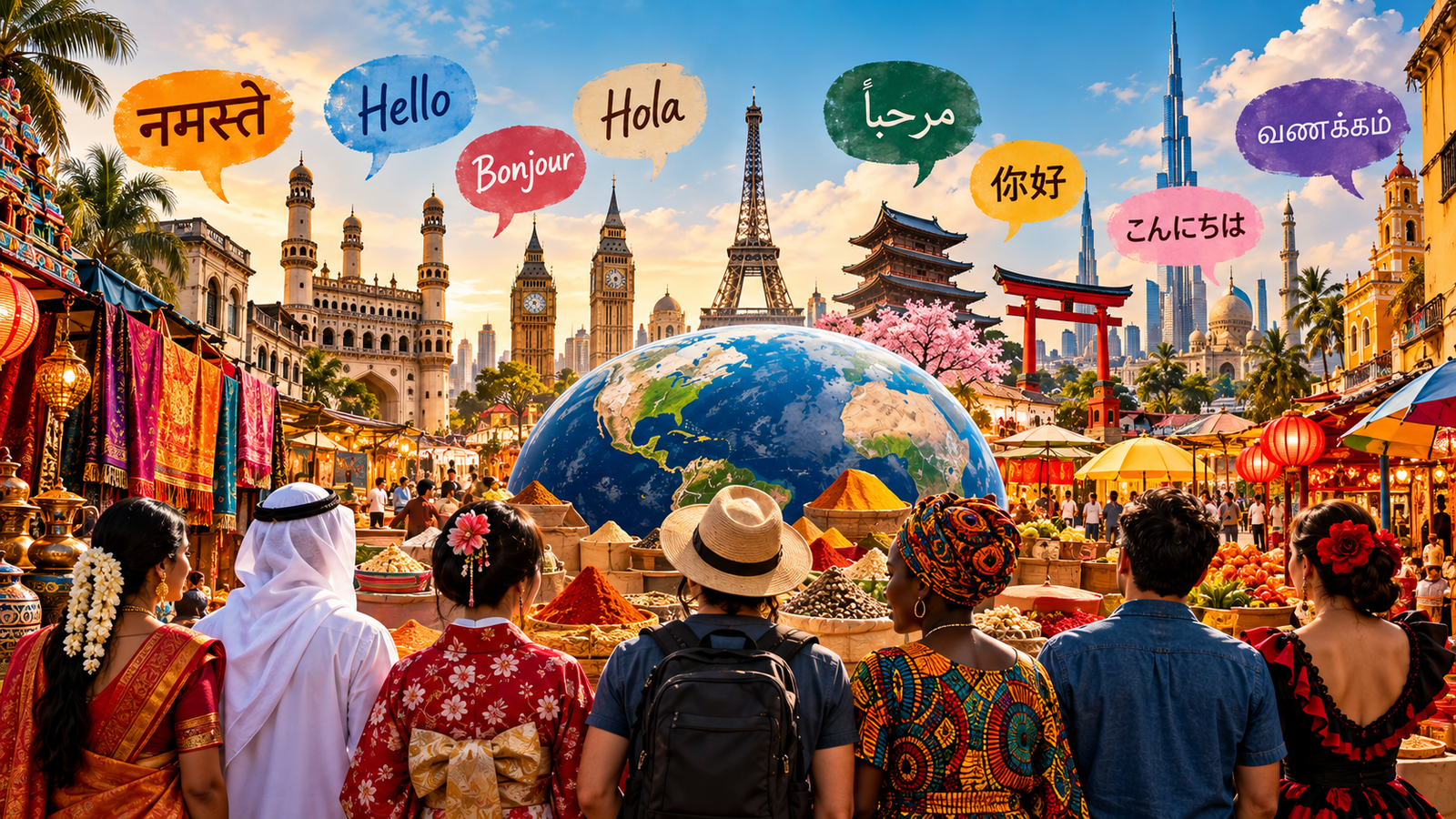
Global brands cannot simply translate their campaigns and expect them to work everywhere. Discover how cultural differences influence consumer behaviour, branding and marketing, with Indian and global examples.
Globalisation has made it easier than ever for brands to enter new markets. A campaign created in New York can be launched in Mumbai within hours. A product developed in Seoul can find customers in Bengaluru, while a brand story created in London can appear on smartphones in Singapore, São Paulo and Sydney almost simultaneously. Yet something does not travel quite as easily as media, technology, or distribution: culture.
That is where many global marketing strategies go wrong. Companies often assume that entering a new market means taking a successful proposition and translating it into another language. But culture is much more than language. It influences what people eat, celebrate, value, fear, aspire to, trust and reject. It shapes family relationships, social behaviour, humour, status and even what consumers consider desirable. The real challenge for a global brand is therefore not simply to ask, “How do we sell this here?” It is to ask, “What does this category, product and brand mean to people here?”

The Translation Trap
One of the most common mistakes in international marketing is treating localisation as translation. A slogan can be translated perfectly and still communicate the wrong idea. An advertisement can use local actors and still feel foreign. A product can be available at the right price and still fail because it does not fit local habits. Cultural differences shape how consumers interpret advertising, products, and brands, making a simple copy-and-paste approach particularly risky.
Consider something as universal as food. In one country, convenience may be the primary benefit. In another, freshness may matter more. Somewhere else, food may be deeply connected with family, tradition and hospitality. The product may remain identical, but its meaning can change dramatically. This is why cultural intelligence needs to sit alongside consumer insight in any serious international marketing strategy.
India Is Not One Culture
India provides perhaps one of the world’s most interesting laboratories for cultural marketing. International marketers cannot think of India as a single market of more than a billion consumers. India contains multiple languages, cuisines, religions, income groups, regional identities and consumption habits. A consumer in Mumbai may respond differently from one in Kochi, while a young professional in Bengaluru may have very different motivations from a consumer in a smaller Tier-II city.
Even within the same category, cultural meaning can change dramatically. A food brand, for example, has to consider:
- Vegetarian and non-vegetarian preferences
- Regional cuisines and taste preferences
- Religious and cultural sensitivities
- Festival calendars and consumption occasions
- Family structures and household decision-making
- Language and regional identity
- Urban, semi-urban and rural behaviour
- Price and value perceptions
- Local definitions of health, indulgence and premiumisation
This lesson matters for Indian brands as well as multinational companies. India should not merely be “localised.” It needs to be understood.


McDonald’s: Changing the Product, Not Just the Advertising
McDonald’s provides one of the clearest examples of cultural adaptation in India. When the brand entered the country in 1996, it faced a market where it could not simply transplant its traditional global menu. The company adapted its menu and operating model to Indian cultural and dietary realities, introducing products such as the McAloo Tikki and paneer-based offerings while creating separate preparation practices for vegetarian and non-vegetarian products.
The important point is that this was not merely an advertising adjustment. The product itself changed. Instead of telling Indian consumers, “Here is McDonald’s. Adapt to us,” the brand created a version of McDonald’s that fit Indian eating habits. That is a much deeper form of localisation because it changes the consumer experience rather than simply changing the language of the communication. McDonald’s India continues to feature the McAloo Tikki and other locally relevant products on its menu.
Coca-Cola: When a Global Brand Learns the Local Language
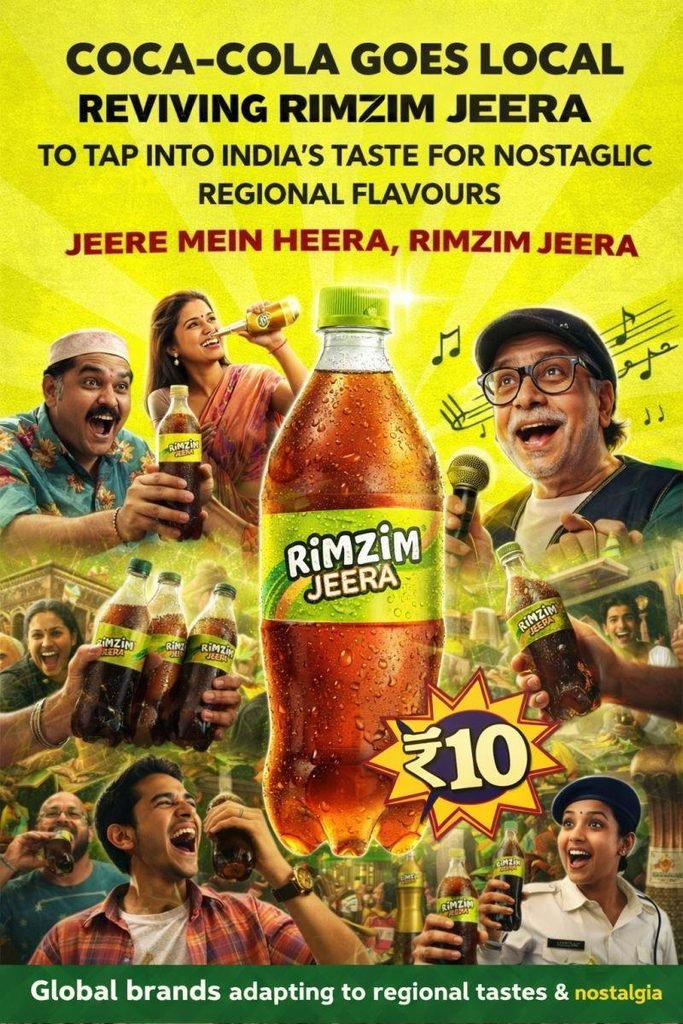
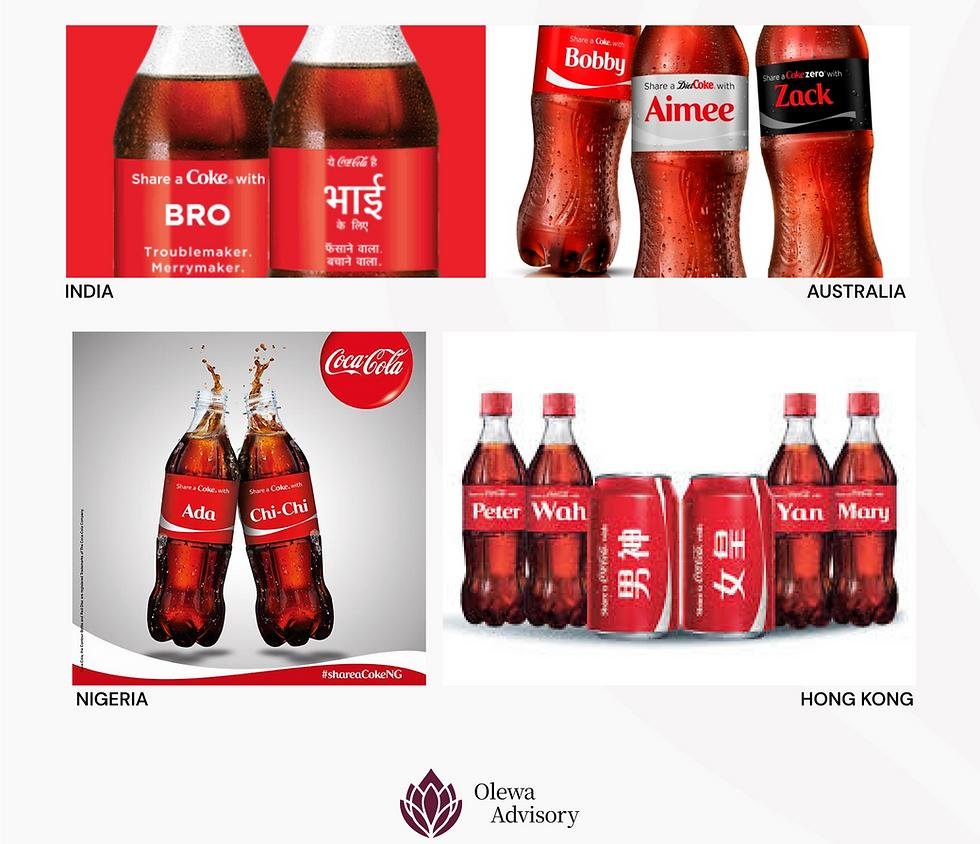
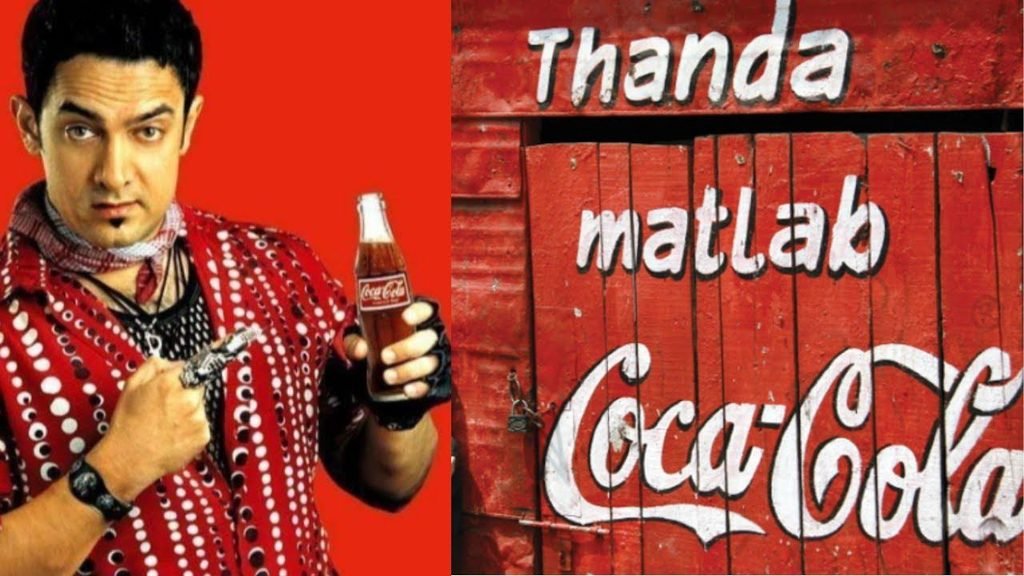
Coca-Cola has repeatedly demonstrated the power of cultural context. In India, the famous “Thanda Matlab Coca-Cola” campaign transformed a simple product attribute, a cold drink, into an expression that fitted naturally into everyday Indian conversation. The brand was no longer communicating only Coca-Cola’s global identity. It was connecting the product with a familiar Indian expression and consumption occasion.
The strategic lesson goes beyond language. People do not necessarily want brands to behave like outsiders. They want brands to understand their world. A global brand becomes culturally relevant when it uses the symbols, situations, language, and emotions that already exist in people’s lives, rather than forcing consumers into the brand’s world.

Netflix: Local Stories Can Travel Globally
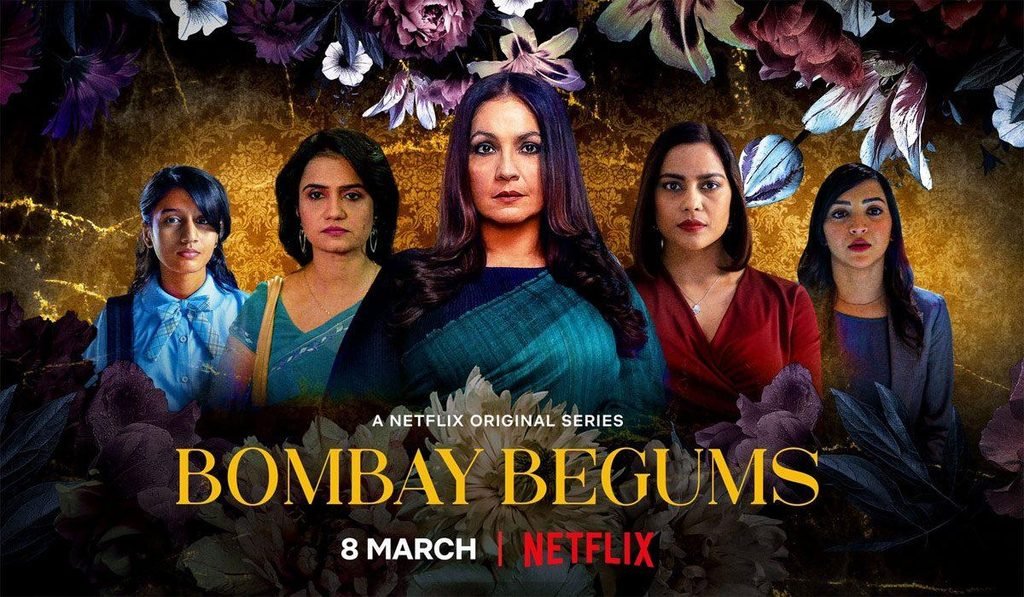
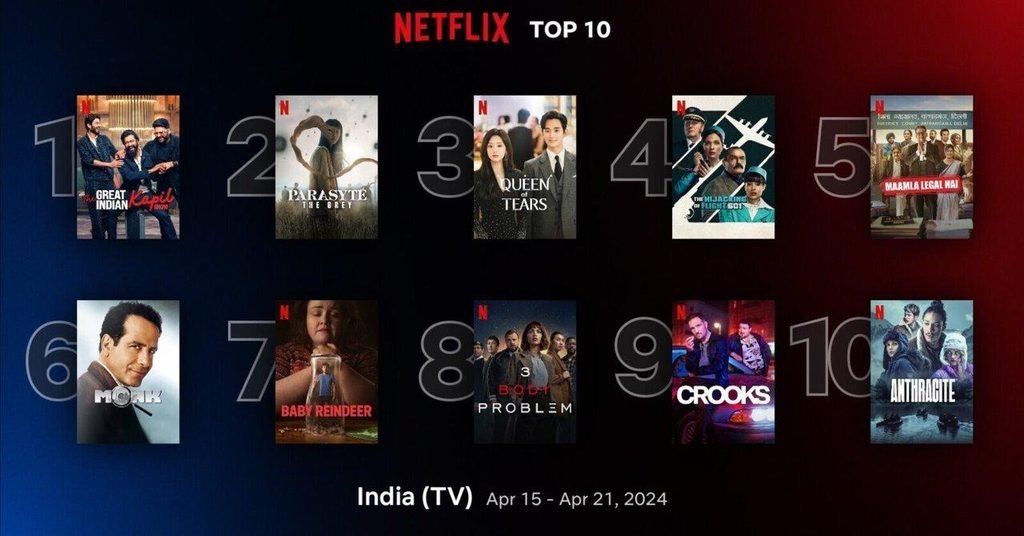
Entertainment provides another powerful example of how cultural specificity can create rather than restrict global appeal. A streaming platform may have global technology, global distribution and a consistent interface, but consumers ultimately connect with stories. That is why localisation in entertainment goes far beyond subtitles and dubbing.
Indian audiences have responded strongly to locally produced stories because the characters, settings, humour, conflicts and social realities can feel familiar. At the same time, some Indian stories have travelled internationally precisely because their cultural specificity gives global audiences something distinctive to discover. This creates an interesting paradox: the more specifically a story can express a genuine culture, the more universal its underlying human emotion can become.
Globalisation does not necessarily require brands to become culturally generic. Sometimes, it rewards the opposite.

Nike: One Brand, Different Cultural Expressions
Nike’s global positioning is built around achievement, ambition, athletic identity and personal possibility. But how those ideas are expressed can change considerably across markets because people experience sport differently.
In the United States, basketball and American football occupy enormous cultural space. In India, cricket has historically played a disproportionately powerful role in popular culture, while football has passionate regional and youth followings. A global sports brand therefore needs to understand not just which sport people watch, but what sport represents to them.
The global brand promise can remain intact while the cultural context changes. This distinction matters: global strategy provides consistency, local culture provides relevance, and creative execution connects the two. The objective is not to create a completely different brand in every country. It is to allow the same brand to have locally meaningful expressions.


When Standardisation Goes Too Far
Standardisation is attractive because it creates efficiency. One campaign can be produced once and deployed across dozens of markets. One visual identity can be maintained, one brand story can be repeated and production costs can be reduced. For multinational companies managing hundreds of markets, this consistency has obvious operational value.
But efficiency can become expensive when it destroys relevance. A campaign that works brilliantly in one culture may fail elsewhere because the emotional trigger is different. Humour is particularly dangerous, but the problem extends to references involving family, romance, gender roles, religion, social status and everyday behaviour. What one culture considers amusing, another may find confusing. What one culture considers aspirational, another may see as excessive. What feels individualistic in one market may feel selfish in another.
The consumer may understand the advertisement perfectly. The problem is that they may simply have no reason to care about it.
The Indian Lesson: Localisation Must Go Beyond Language
Many companies entering India begin with language localisation. Hindi advertising is created, regional-language versions follow and local celebrities are introduced. These are useful steps, but they represent only the surface of cultural adaptation.
True localisation requires marketers to understand the deeper context in which consumption takes place. What does the category mean to Indian consumers? Who influences the purchase? Is the consumer buying for themselves or for the family? What role does tradition play? What role does aspiration play? What does “premium” actually mean? What makes consumers trust a new brand? Which occasions drive consumption? And which local habits could actually require the product itself to change?
A luxury brand, for example, may discover that status is expressed differently in Mumbai, Delhi, Bengaluru and smaller cities. A health brand may find that “natural” has different associations among different consumer groups. A food company may discover enormous regional variation in taste. A financial-services brand may find that trust is built differently among different generations.
India’s complexity is therefore not merely a challenge. It is an opportunity. Brands that understand India’s cultural micro-markets can create much more precise propositions than brands that treat the country as one homogeneous consumer segment.
Don’t Just Localise the Message. Localise the Insight.
This is perhaps the biggest lesson for global marketers. Companies often start with a global insight and then attempt to localise the communication. A stronger approach is to start with the local consumer and determine which part of the global brand promise is relevant to that consumer.
The difference may sound subtle, but it changes the entire process:
Global insight → local translation
can become:
Local consumer truth → culturally relevant expression → global brand connection
The second approach allows the brand to remain coherent without becoming culturally tone-deaf. It recognises that consumers in different markets may arrive at the same brand for completely different reasons.
For one consumer, a product may represent convenience. For another, family connection. For another, self-expression. The brand does not necessarily have to choose one universal emotional meaning. It needs to understand which meaning matters in which context.
What Global Marketers Can Learn From Indian Brands
The flow of cultural learning does not have to be from West to East. Indian companies expanding internationally face exactly the same challenge. A brand that succeeds in India cannot assume that its Indian success formula will automatically work in Dubai, London, New York or Singapore.
Indian brands need to distinguish between the elements that are genuinely universal and those that are specifically Indian. They need to understand which rituals can travel, which assumptions need to be removed and which cultural cues require adaptation. This is particularly relevant for Indian D2C brands entering international markets.
A beauty, wellness, food, fashion or pet-care brand expanding internationally cannot simply reproduce its Indian Instagram strategy in another country. The consumer proposition may travel, but the cultural expression may not. The challenge is to identify the core value that deserves to travel and then rebuild the experience around the local consumer.
Culture Is Not a Creative Layer
One of the biggest organisational mistakes is bringing cultural understanding into the process too late. The traditional sequence often looks like this:
Strategy → Product → Campaign → Translation → Cultural Check
By this point, most important decisions have already been made.
A stronger sequence is:
Culture → Consumer Insight → Proposition → Product → Communication
Culture should influence strategy before the advertisement is written. It can affect not only communication but also product design, packaging, pricing, distribution, customer experience and even the way a brand defines its target consumer.
This is why local teams should not simply be asked to “adapt” headquarters’ ideas. They should participate in developing the ideas. Headquarters may understand the brand better, but local teams often understand the cultural context better. The strongest global organisations bring both forms of knowledge together.
Five Questions Every Global Brand Should Ask
1. What is the local consumer truth?
Do not begin with the brand. Begin with the consumer. Understand what people actually do, what motivates them and what compromises they make rather than relying only on what respondents say they want.
2. What does the category mean locally?
The same category can have completely different emotional meanings in different countries. Coffee can be a morning ritual, a social experience, a status symbol or an affordable indulgence depending on the market.
3. What should never change?
Every global brand needs a non-negotiable core. Its purpose, distinctive assets and fundamental promise need enough consistency to create recognition and preserve brand equity.
4. What must change?
This is where local intelligence becomes critical. Product formulation, flavour, packaging, communication, distribution and even service design may need adaptation.
5. Who gets to make the cultural call?
A head office thousands of kilometres away may have excellent brand knowledge, but local teams possess something equally valuable: cultural intuition. The best global organisations do not force headquarters and local markets to compete. They make them collaborate.
The New Meaning of Global Branding
Global branding used to be largely associated with consistency. Today, it is increasingly about consistency of meaning rather than consistency of execution. A brand does not need to look identical everywhere. It needs to stand for something recognisable everywhere.
That distinction creates room for cultural expression. The visual language can change. The celebrity can change. The product can change. The media can change. The language can change. Even the consumer occasion can change. But the underlying brand idea can remain intact.
This is not a compromise between globalisation and localisation. It is the architecture of modern global branding. The best global brands create a strong enough central idea to remain recognisable while giving individual markets enough freedom to make that idea culturally meaningful.
The Final Thought
Culture is not an obstacle that global brands have to overcome. It is an asset they can use. The strongest international brands do not enter markets saying, “This is what we have always done.” They enter asking, “How does our brand become meaningful here?”
That requires humility, observation and local intelligence. Above all, it requires recognising that consumers do not experience brands in abstract global categories. They experience them through their own language, food, family, rituals, aspirations, memories and everyday lives.
The winning formula for global marketing may therefore be simpler than it appears:
Think globally about the brand. Think locally about the human being.
That is where global brands stop looking like outsiders and start becoming part of culture.