When Luxury Whispers: Why the New Status Symbol Is Knowing, Not Showing
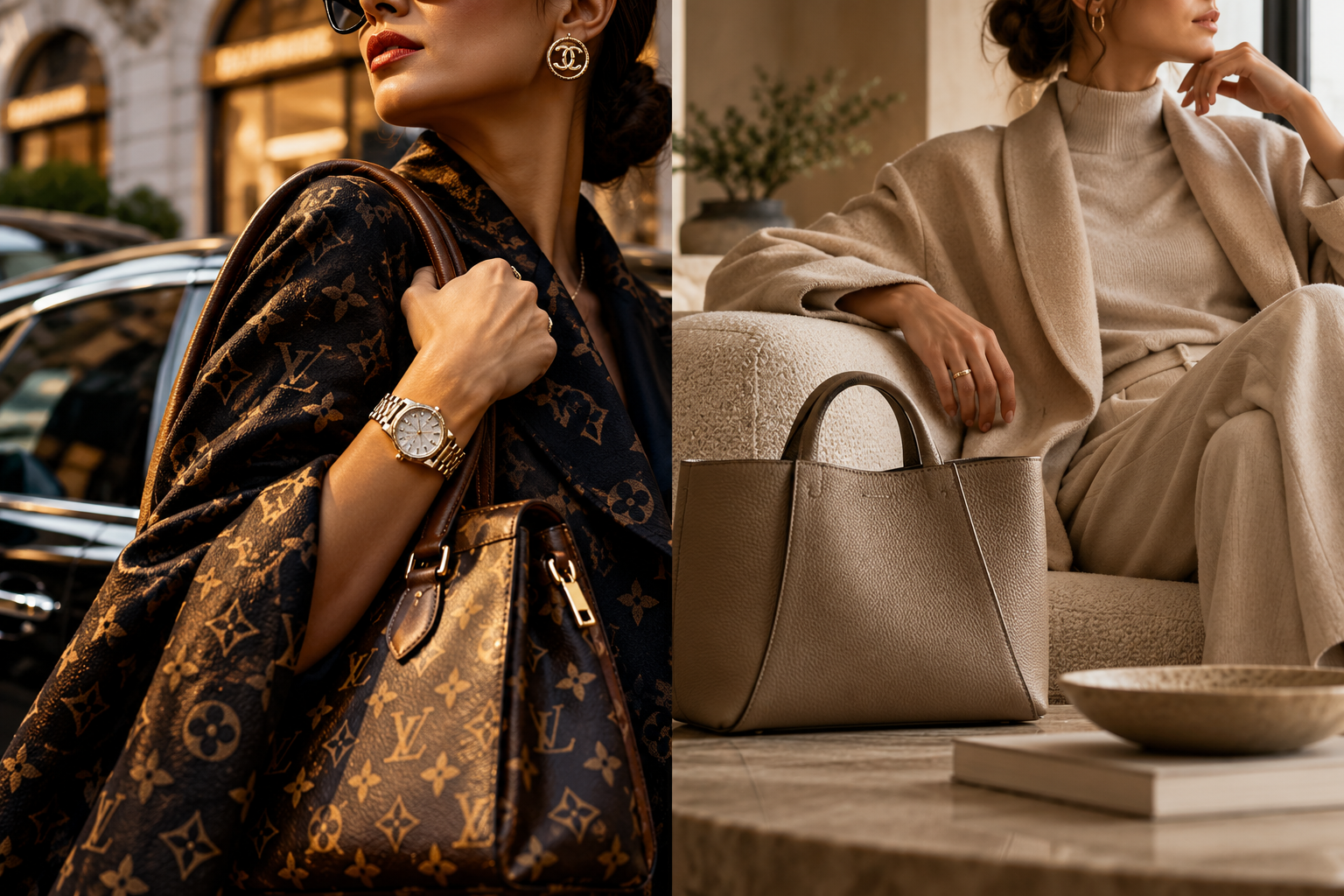
Luxury is no longer always about being seen. Quiet luxury is creating a new language of status built around knowledge, craftsmanship, scarcity, provenance and subtle brand codes.
For decades, luxury operated through visibility. The monogrammed handbag, recognisable watch, distinctive automobile grille or prominently displayed designer logo did more than identify the manufacturer; it communicated wealth, taste, aspiration and social position. Luxury products were expensive objects, but they were also signalling devices. Their value partly came from the fact that other people could recognise them.
That model has not disappeared, particularly in rapidly expanding luxury markets where first-time buyers often enjoy visible symbols of achievement. But alongside it, another form of luxury consumption has become increasingly important. Some affluent consumers are gravitating towards products whose value is deliberately difficult to recognise. Logos become smaller or disappear entirely. Designs become restrained. Materials, craftsmanship, provenance and scarcity replace overt branding as indicators of value. The product may look ordinary to most people while being instantly recognisable to those who understand the category.
This phenomenon is frequently described as quiet luxury or inconspicuous consumption. But calling it merely a fashion for understated products misses the larger strategic shift. Luxury is not necessarily becoming less status-driven. Rather, the language through which status is communicated is becoming more sophisticated.


From Conspicuous Consumption to Coded Consumption
Traditional luxury branding worked through a relatively simple signalling mechanism. Consumers saw the logo, recognised the brand, understood approximately where it sat in the luxury hierarchy and inferred something about the person carrying or wearing it. The brand performed much of the communication.
This remains powerful because luxury consumption is partly social. People do not purchase expensive watches, jewellery, automobiles, clothing or accessories solely because of their functional superiority. These products can also communicate achievement, identity, belonging and taste.
The problem emerges when luxury becomes widely recognisable. A symbol designed to demonstrate exclusivity can gradually lose some of its differentiating power when it becomes ubiquitous across advertising, social media, celebrity culture and increasingly accessible product categories. The more easily a status symbol can be recognised-and sometimes imitated-the less effectively it may distinguish one knowledgeable luxury consumer from another.
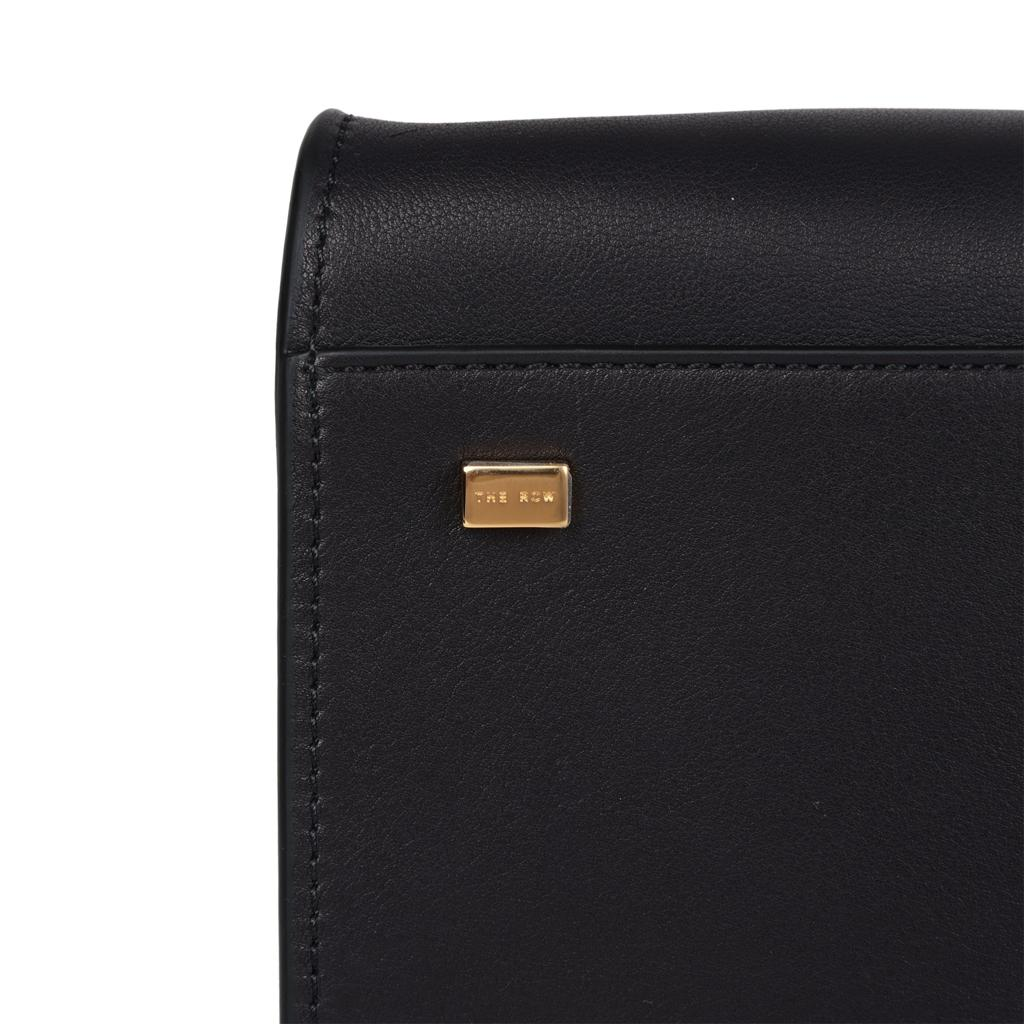
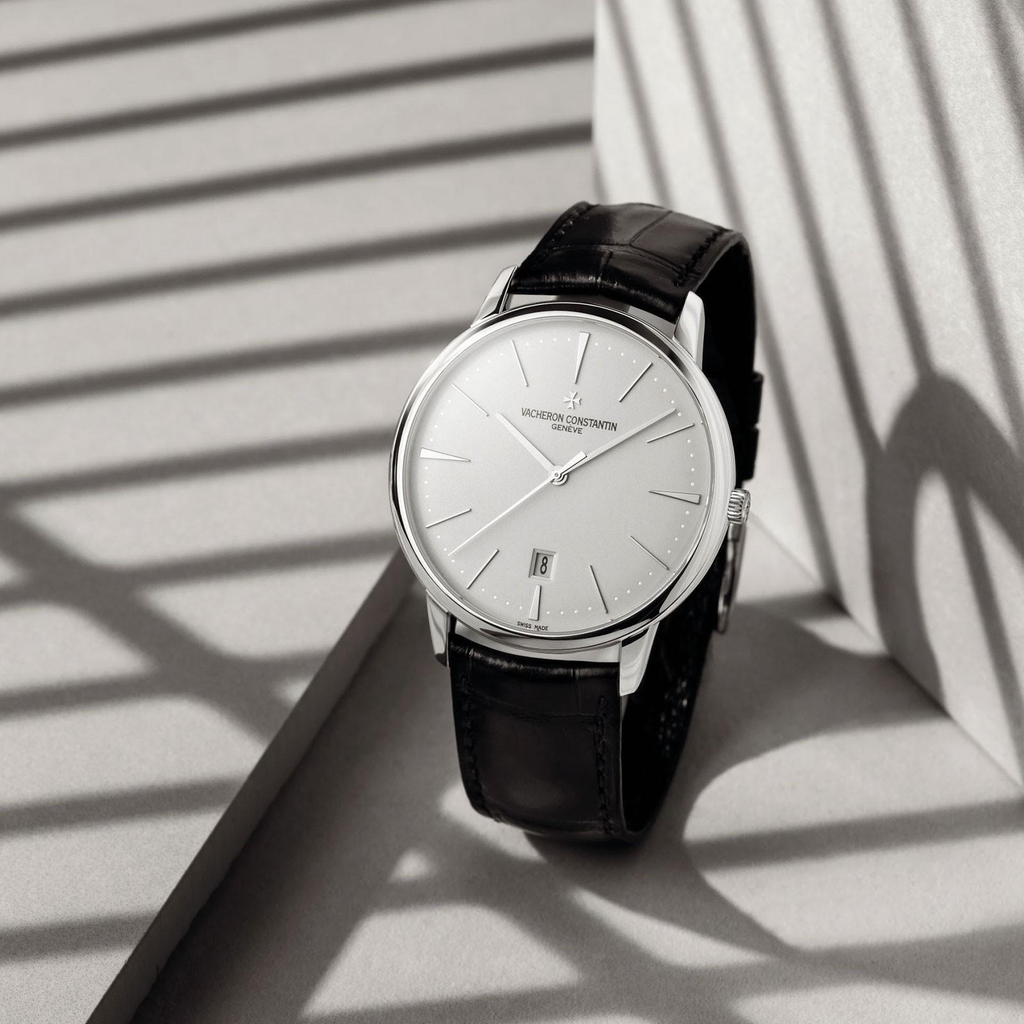
This creates an interesting reversal. Instead of using an obvious signal that everyone understands, some consumers begin favouring signals that require knowledge to decode. A seemingly simple coat may reveal itself through its fabric and construction. A watch without an instantly recognisable design may be highly prized by collectors. A handbag without an external logo may nevertheless be identifiable through its leather, stitching, hardware and silhouette.
Luxury consequently shifts from conspicuous consumption towards what could be called coded consumption. The signal still exists, but the audience that can decode it becomes smaller.
The shift can be understood simply:
- Conspicuous luxury seeks recognition.
- Discreet luxury seeks informed recognition.
- Traditional status signals rely heavily on visibility.
- Emerging status signals increasingly rely on knowledge.
- The logo identifies the brand; the product itself increasingly communicates its value.
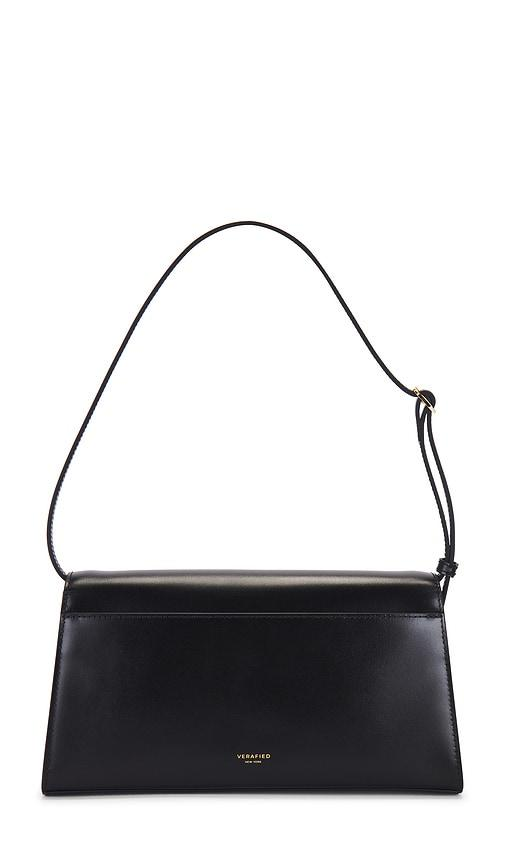
The New Status Symbol Is Knowledge
This transformation changes what luxury communicates. Traditional luxury could say, “I can afford this.” Coded luxury can additionally say, “I know what this is.”
That difference is significant because knowledge itself becomes a form of cultural capital. The consumer who recognises an obscure watchmaker, understands the provenance of a textile, knows why a particular leather is exceptional or appreciates the construction of a bespoke jacket demonstrates something beyond purchasing power. The individual demonstrates familiarity with the category.
Consider two expensive sweaters. One prominently displays the identity of a famous fashion house. The other appears almost anonymous but is made from exceptional cashmere by a producer highly regarded among knowledgeable luxury buyers. Both can be expensive, beautifully made and desirable, but they perform different social functions. The first maximises recognition; the second makes recognition selective.
This is why quiet luxury should not be interpreted as the rejection of status. It can actually represent a more sophisticated form of status competition. Instead of communicating to everybody, the consumer communicates to a smaller group whose recognition matters more.
The real luxury signal therefore becomes less about saying, “Look what I own,” and more about suggesting, “If you know, you know.”
When the Logo Becomes Too Loud
Logos have enormous strategic value. They create recognition, build distinctive brand assets and allow consumers to communicate brand affiliation instantly. For many luxury customers, particularly those entering the category for the first time, visible branding can remain an important part of the purchase experience.
But luxury brands face a peculiar contradiction. They need visibility to grow while simultaneously needing exclusivity to remain desirable.
Mass-market brands generally benefit when more people recognise and buy them. Luxury brands operate within a more complicated equation. Greater awareness can strengthen desirability, but excessive ubiquity can weaken perceptions of exclusivity. The very success that expands revenue can eventually undermine some of the symbolic scarcity upon which luxury depends.
Understatement offers one response to this contradiction. Instead of removing brand identity, brands can embed it more deeply into the product. Recognition moves from logos towards distinctive design codes:
- A particular silhouette.
- A recognisable clasp or hardware detail.
- A distinctive stitching technique.
- A proprietary fabric or material.
- A characteristic colour or pattern.
- A recognisable construction method.
- A design detail understood primarily by experienced consumers.
This represents an important distinction. Quiet luxury does not mean absence of branding. It means branding that requires greater consumer knowledge to recognise.



Luxury Becomes a Conversation Between Insiders
The most interesting consequence is that luxury can begin functioning almost like a private language. A product may communicate virtually nothing to the average observer while communicating enormous amounts of information to another knowledgeable consumer.
Fine wine has long operated this way. The bottle does not need to announce its price in giant letters. Someone familiar with vineyards, appellations and vintages can derive meaning from information that another consumer might barely notice. Collectable watches operate similarly. So do bespoke tailoring, rare automobiles, art, jewellery and increasingly niche fashion brands.
This produces what might be called the insider effect: the smaller the number of people capable of recognising a particular signal, the more meaningful that recognition can become within the relevant community.
For marketers, this changes the objective. Traditional branding often attempts to maximise recognition. Discreet luxury may instead seek selective recognition.
The question is no longer simply:
“How many people know us?”
It becomes:
“Who knows us, and what does knowing us say about them?”
That is a substantially different branding problem.


India Already Understands Quiet Luxury
India provides an especially interesting context because discreet luxury is hardly foreign. Long before the phrase “quiet luxury” entered fashion vocabulary, Indian consumers were using culturally specific knowledge to distinguish exceptional products from ordinary ones.
Consider handwoven textiles. To an inexperienced observer, two saris might appear broadly similar. Someone familiar with weaving traditions can identify enormous differences in technique, provenance, material, zari, workmanship and rarity. A Banarasi weave, Kanjeevaram silk or an intricately worked textile can communicate extraordinary value without displaying a brand logo.
The same principle operates in jewellery. An informed buyer may evaluate the quality of stones, craftsmanship, setting, design lineage, and the jeweller’s reputation rather than relying on a conspicuous international brand name.
The same logic can be seen in:
- Bespoke tailoring.
- Handcrafted footwear.
- Fine jewellery.
- Traditional textiles.
- Luxury hospitality.
- Artisanal furniture.
- Rare collectables.
- Heritage properties.
- Fine dining and specialist culinary experiences.
India therefore offers luxury brands an interesting opportunity. Rather than simply importing Western definitions of quiet luxury, marketers can recognise that India already possesses deeply embedded traditions of knowledge-based luxury.
The challenge is to translate these traditions into contemporary brand systems without stripping away the cultural meaning that makes them valuable.
The Paradox of Becoming Less Visible
However, there is an important strategic danger. Removing a logo does not automatically create luxury. Minimalism is not exclusivity, beige is not sophistication, and anonymity is not brand equity.
Quiet luxury works only when something substantial exists underneath the quietness. That could include exceptional materials, craftsmanship, design, provenance, heritage, technical expertise, scarcity, personalisation or extraordinary service. Without these foundations, understated branding simply produces an understated product.
A useful distinction is:
- A weak brand without visible branding can become invisible.
- A strong brand with restrained branding can become intriguing.
- A powerful luxury brand with recognisable proprietary codes can communicate its identity without displaying its name at all.
The objective for luxury marketers, therefore, should not be to eliminate branding but to make branding increasingly intrinsic to the product.
The strongest luxury brands eventually reach a point where a shape, texture, construction detail or design language becomes sufficient identification. In such cases, the product itself becomes the logo.
From Brand Awareness to Brand Recognition
Most marketers are trained to pursue awareness. Reach more consumers, generate more impressions, improve recall and maximise visibility. These objectives make sense across many categories, but luxury requires another dimension.
The important question may not simply be whether consumers know the brand. It may be whether the right consumers understand it deeply enough to recognise its codes.
This requires a different marketing architecture. Luxury brands pursuing selective recognition can place greater emphasis on:
- Craftsmanship stories.
- Product provenance.
- Private experiences.
- Expert communities.
- Specialist publications.
- Cultural collaborations.
- Knowledgeable tastemakers.
- Limited-edition collections.
- Personalisation and bespoke services.
Rather than broadcasting the same message to everyone, the brand creates layers of meaning that reward people who choose to investigate further.
The difference is subtle but important. Mass communication says, “Everyone should know us.” Cultural luxury says, “Those who know us should understand why we matter.”
Social Media Has Complicated the Equation
At first glance, social media should have destroyed inconspicuous consumption. Platforms built around photographs, videos and public display naturally favour products that are immediately recognisable. Large logos, distinctive packaging and famous brand symbols perform extremely well in environments where viewers make judgements within seconds.
Yet social media has simultaneously created one of the largest luxury-education systems ever developed. Consumers can now learn about independent watchmakers, obscure fashion houses, specialist fabrics, leather grades, craftsmanship techniques, jewellery design and artisanal production without belonging to traditional elite circles.
This has produced a different kind of influencer. The conventional luxury influencer displays desirable products. The emerging luxury tastemaker explains why a particular product deserves attention.
That distinction matters.
Demonstration generates aspiration. Explanation generates knowledge.
And when knowledge itself becomes part of the status equation, educational content can become a powerful luxury-marketing instrument.
What Luxury Brands Should Learn
The rise of discreet consumption should not persuade every luxury company to remove its logos or adopt minimalist visual identities. The deeper lesson concerns how brands create and manage signals.
1. Build substance before reducing visible branding
Exceptional materials, design, craftsmanship, service and provenance must exist before understatement becomes meaningful. Quiet branding cannot compensate for an ordinary product.
2. Develop proprietary codes
Brands should create elements that knowledgeable consumers can recognise even without a prominent logo. A distinctive silhouette, stitch, texture, material combination, clasp, colour or construction detail can gradually become an alternative to overt logo display.
3. Make the story part of the product
If consumers cannot immediately see why a product is exceptional, brands must help them understand the expertise, people, materials and processes behind it. The story should not be decoration; it should explain the source of value.
4. Distinguish reach from relevance
Millions of impressions may create awareness, but credibility among collectors, designers, craftspeople, experts and knowledgeable customers can create a different form of desirability. Luxury brands need to identify which communities actually influence perception within their category.
5. Use scarcity intelligently
Limited production, controlled distribution, bespoke services and restricted access can reinforce exclusivity without requiring overt visual branding. Scarcity works best when it is credible and connected to genuine production or service constraints.
6. Reward consumer expertise
The most interesting luxury products reveal additional layers of value as consumers learn more about them. The product becomes something to discover rather than something merely to display.
The Danger of Fake Quiet Luxury
As happens with almost every successful cultural movement, quiet luxury itself risks becoming a cliché. Once enough brands discover the trend, the market fills with neutral colours, restrained typography, tiny logos, minimalist stores and solemn claims about craftsmanship.
At that point, quiet luxury becomes surprisingly loud.
The strategic error is confusing the visual language of luxury with its source. Consumers do not ultimately pay extraordinary premiums because a product is beige or because the logo has disappeared. They pay because they believe something exceptional exists beneath the surface.
The future of discreet luxury will therefore depend on invisible complexity rather than visible simplicity. A product may look effortless precisely because extraordinary effort went into creating it.
The New Luxury Equation
The emerging luxury model can be expressed through a simple equation:
Visibility + Recognition = Traditional Status
Knowledge + Scarcity + Craftsmanship = Discreet Status
The two models will continue to coexist. A luxury brand does not have to choose between them permanently. Different consumers, markets and stages of category development can demand different forms of signalling.
The strategic challenge is understanding which signal matters to which customer.
Luxury Is Moving From Showing to Knowing
Luxury has never been merely about expensive objects. It has always involved identity, belonging, aspiration and social signalling. What is changing is the sophistication of that signal.
One form of luxury says, “Everyone should recognise what I am carrying.” Another says, “It doesn’t matter whether everyone recognises it because the people who understand it will.”
Both forms will continue to coexist. Consumers enter luxury markets at different stages, pursue different identities and seek different kinds of recognition. For some, visible branding will remain pleasurable and important. For others, discretion itself becomes part of the attraction.
The key shift for marketers, then, is not simply from loud luxury to quiet luxury. It is from obvious signals to layered signals-from recognition that requires almost no knowledge to recognition that demonstrates considerable knowledge.
That’s the real evolution of luxury branding. When wealth becomes easier to display, knowledge becomes harder to imitate. The ultimate status symbol may no longer be owning something everybody knows is expensive.
It may be owning something only a few people realise is exceptional.