Ambush: Zippo vs Sochi Olympics 2014 – How One Social Media Post Stole the Spotlight
Zippo turned an Olympic torch mishap into one of the smartest ambush marketing campaigns ever through real-time social media and the viral #ZippoSavesOlympics campaign.


Major sporting events create opportunities not only for official sponsors but also for agile brands that know how to seize the moment. During the lead-up to the 2014 Sochi Winter Olympics, Zippo demonstrated that sometimes the fastest marketer wins. Without spending millions on sponsorship rights, the iconic lighter brand inserted itself into one of the biggest sporting conversations in the world with a single, timely social media post.
It became one of the most memorable examples of real-time ambush marketing.
The Incident That Sparked It All
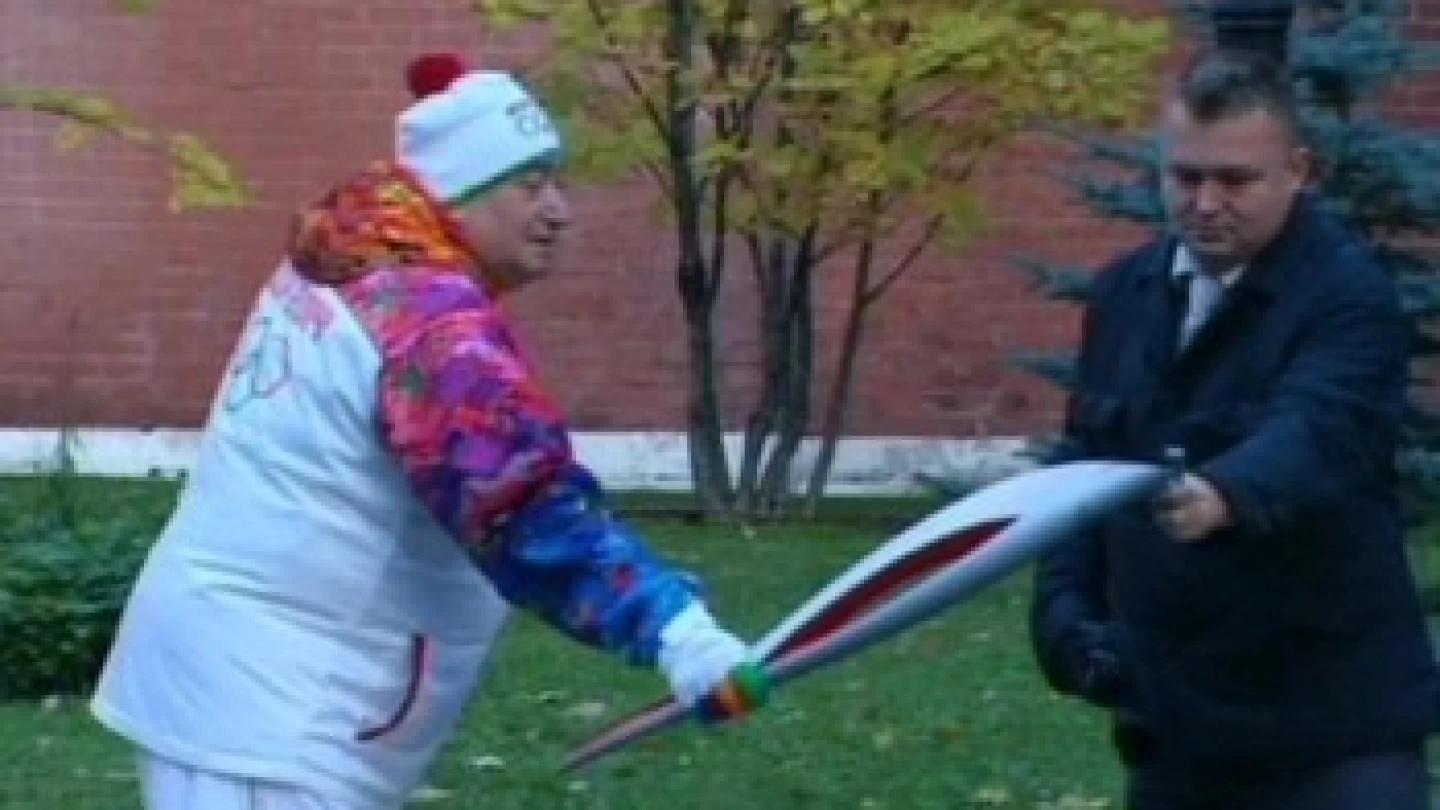
During the Olympic Torch Relay in October 2013, months before the Winter Games officially began, the Olympic flame unexpectedly went out while being carried through the Kremlin in Moscow.
A nearby security officer reportedly reignited the torch using what appeared to be a Zippo lighter.
Photographs of the incident immediately spread across news channels and social media.
For most people, it was simply an embarrassing operational mishap.
For Zippo, it was a marketing opportunity.
Zippo’s Lightning-Fast Response
Within hours, Zippo published the now-famous image on its Facebook page with the hashtag:
#ZippoSavesOlympics
The message was playful, humorous and perfectly aligned with the brand’s identity.
The implication was simple:
“When the Olympic flame failed, Zippo worked.”
The post quickly gained global attention, with consumers, journalists and marketers sharing it widely. Although Zippo had absolutely no official relationship with the Olympic Games, millions of people suddenly associated the brand with one of the event’s most talked-about moments.
Why It Worked
Zippo’s campaign succeeded because it combined several powerful marketing principles.
1. Perfect Timing
The company reacted while the story was still breaking.
Speed mattered more than media spending.
2. A Natural Product Fit
Unlike many ambush campaigns that force an association, Zippo’s product was genuinely part of the news event.
The lighter naturally became the hero of the story.
3. Humour Instead of Aggression
The campaign did not attack Olympic sponsors.
It simply celebrated an unexpected role in the incident with humour.
4. Social Media Amplification
Instead of buying television advertising, Zippo relied entirely on consumers, journalists and social sharing to spread the campaign.
The internet became its media budget.
The Backlash
Olympic organisers were far less amused.
The International Olympic Committee and Sochi organisers viewed the post as an unauthorised commercial association with the Olympic brand.
Zippo was asked to remove the image because it appeared to imply an official connection with the Games, potentially violating Olympic marketing protections. Zippo complied and replaced the post with another cheeky message:
“Zippo: Perfect for all winter games. Wink. Wink.“
The revised post avoided direct Olympic references while still allowing consumers to understand the joke.
Why This Became a Classic Ambush Marketing Case
Unlike traditional ambush marketing, where brands deliberately create campaigns around major sporting events, Zippo’s success came from newsjacking.
The company did not manufacture the event.
It reacted faster than everyone else.
This demonstrates an important evolution in ambush marketing:
- Real-time marketing can outperform expensive planned campaigns.
- Social media allows brands to participate instantly in global conversations.
- Authenticity often beats polished advertising.
- A single relevant post can generate worldwide publicity.
Marketing Lessons
Build a Real-Time Marketing Team
Brands should empower teams to react within minutes, not days.
Monitor Live Events
Unexpected moments often create better opportunities than planned campaigns.
Stay True to Brand Identity
Zippo’s message worked because reliability has always been central to its positioning.
Know the Legal Boundaries
While speed is valuable, marketers must understand trademark and sponsorship restrictions before associating with protected events.
Earn Attention Instead of Buying It
Consumers remember clever participation far longer than expensive advertising.
The Legacy
The #ZippoSavesOlympics campaign remains one of the finest examples of how real-time social media can transform an unexpected news event into global brand exposure.
Zippo never became an Olympic sponsor.
It never purchased broadcast rights.
It never appeared on official Olympic signage.
Yet for many marketers, one extinguished Olympic torch became one of the defining branding moments of the Sochi Games. It also highlighted the growing power of social media, where speed, relevance and creativity can sometimes rival multimillion-dollar sponsorships.