World Cup: IKEA Canada’s Assemble the World
IKEA Canada turns flat-pack furniture into national flags for the World Cup. A look at why Assemble the World works as both marketing and merchandising
Every brand wants a piece of the World Cup. Most reach for the obvious: a star footballer, a stadium-sized stunt, a jersey tie-in.
IKEA Canada looked at the same opportunity and asked a quieter question. What if the product itself could become the spectacle, without needing anything borrowed to make it interesting?
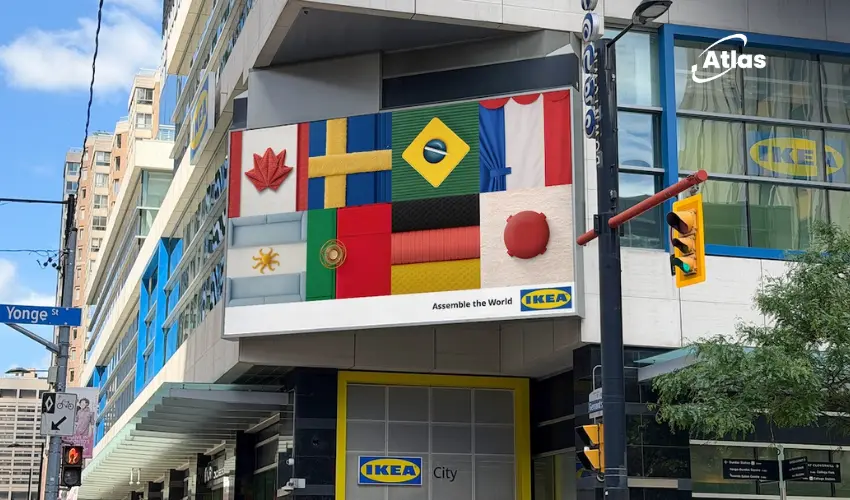
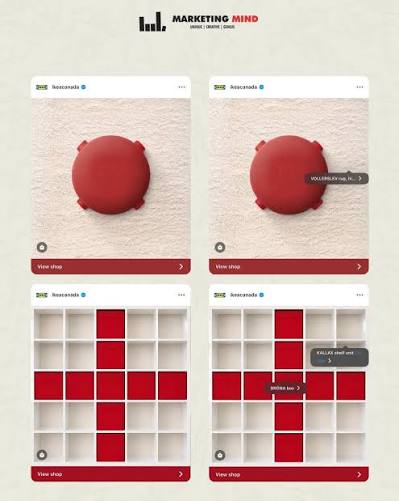
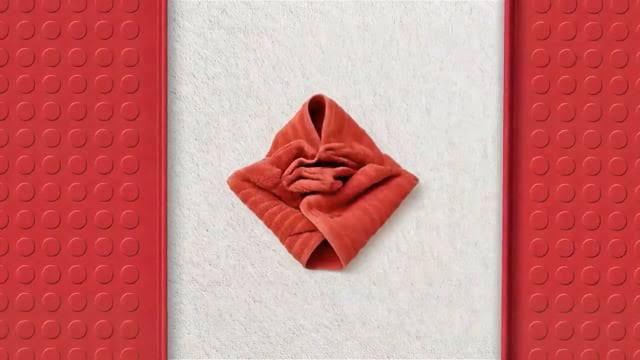
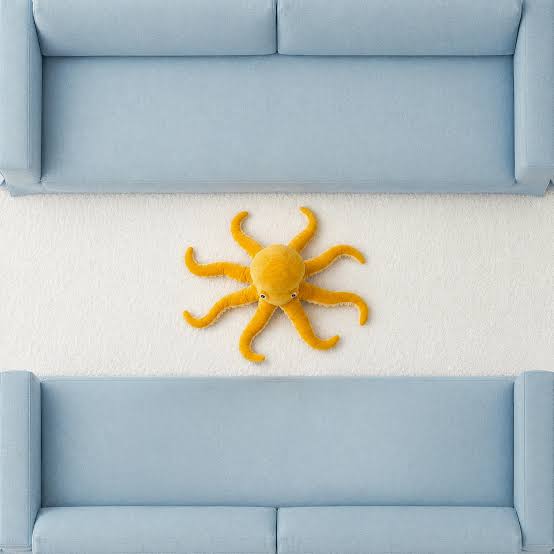
The answer is Assemble the World, a campaign built with Dentsu Creative that turns ordinary IKEA products into the flags of the nations competing at the tournament.
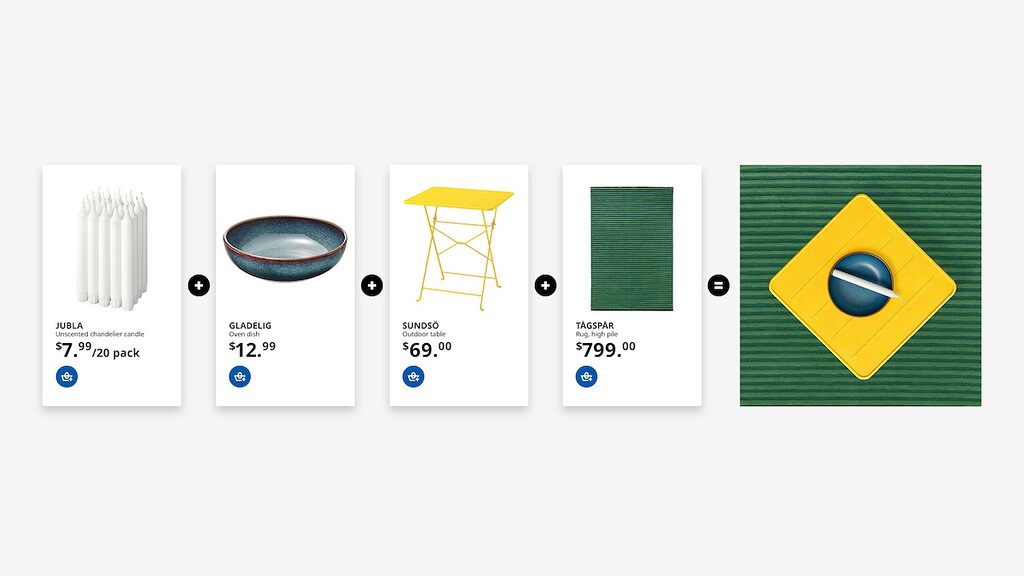
A green DRÖNA box, a yellow tray and a blue lid lock together into Brazil’s colours under the line “brilliant match.” A grid of red storage boxes inside a white KALLAX shelving unit forms the cross of England’s flag.
Eighteen flags in total, built from dozens of products, running across digital channels and out-of-home placements near IKEA stores through the summer.
It is a simple idea, but simple is doing a lot of work here.
The Idea: Furniture as Flag, Flag as Catalogue
The mechanic is straightforward enough to explain in one sentence: spot the products hiding inside the flag, then click through and buy them.
Each shot is styled with overhead framing and clean white space, the kind of composition that makes a tray and a candle holder feel almost monumental. The products “assemble” themselves on screen, a visual echo of the flat-pack ritual every IKEA customer already knows from their own living room floor.
This is the cleverness worth noting for anyone building brand campaigns: the format does not borrow meaning from football. It borrows meaning from IKEA’s own core verb, to assemble.
The World Cup gives the campaign its moment and emotional charge, but the creative idea was already embedded in IKEA’s identity. That is a much harder trick to pull off than a sponsorship logo on a kit.
It is also why the work survives scrutiny once the tournament excitement fades. The brand connection does not expire with the final whistle.
Why Canada, Why Now
IKEA Canada did not pick this idea at random. Canada is one of the most multicultural countries hosting matches in this World Cup cycle, and the brand leaned directly into that fact rather than working around it.
IKEA Canada’s marketing communications team framed the thinking plainly: the brand wanted to give customers a way to express both fandom and pride of home, whatever home means to them and wherever they come from.
That is a deliberate widening of the usual World Cup marketing script, which tends to default to a single national fervour. Assemble the World instead treats nationality as plural and personal, a roster of flags rather than one flag, which mirrors the country watching the tournament from its living rooms.
It also dovetails neatly with IKEA Canada’s existing “bring home to life” platform. The campaign does not introduce a new brand promise. It simply finds a fresh, topical container for the promise the brand was already making.
The Craft Choice: Restraint Over Spectacle
What stands out most, set against the rest of this World Cup’s marketing noise, is what IKEA chose not to do.
No celebrity footballer. No elaborate stunt. No attempt to out-shout category rivals chasing the same six-week window of attention.
Instead, the brand backed a visual guessing game and trusted it to travel on its own. The flags are designed to be shared as much as shopped, built for the kind of casual recognition that works on a phone screen scrolled past in three seconds.
A few elements carry the weight:
- Instantly readable visual puzzles that reward a second look, which is what earns the share in the first place
- A shoppable mechanic that turns admiration into a transaction without breaking the playful tone
- Out-of-home placements near stores that nudge the online moment back into physical footfall
This is consistent with IKEA’s broader creative pattern. Campaigns like Late to the Party and DIY by IKEA have repeatedly made the same bet: keep the product visually present but emotionally quiet, and let it serve as the dependable constant amid whatever noise surrounds it.
Assemble the World is the World Cup edition of a formula the brand has already proven works.
The Marketing Lesson
For any brand watching the 2026 World Cup calendar for cues, Assemble the World offers a useful corrective.
The instinct in a major sporting moment is to add scale: bigger stunt, bigger name, bigger media spend. IKEA went the other way and added precision instead.
The idea was scoped tightly enough that eighteen flags, made entirely from existing catalogue products, could carry an entire campaign.
Objective: build World Cup relevance for IKEA Canada without paying for sponsorship rights or celebrity talent, while reinforcing the brand’s multicultural positioning.
Mechanic: national flags reconstructed from real IKEA products, shoppable directly from the image, distributed across social and out-of-home near stores.
Why it worked: the creative idea is structurally tied to the brand’s core identity (assembly), which means it does not need football to justify itself, only to time itself.
Transferable principle: when a major cultural moment arrives, the sharpest move is often not to borrow someone else’s symbolism but to find the version of that symbolism already hiding inside your own product or service.