ESAF’s Dabba Savings Account: The Little Steel Box That Held a Big Dream
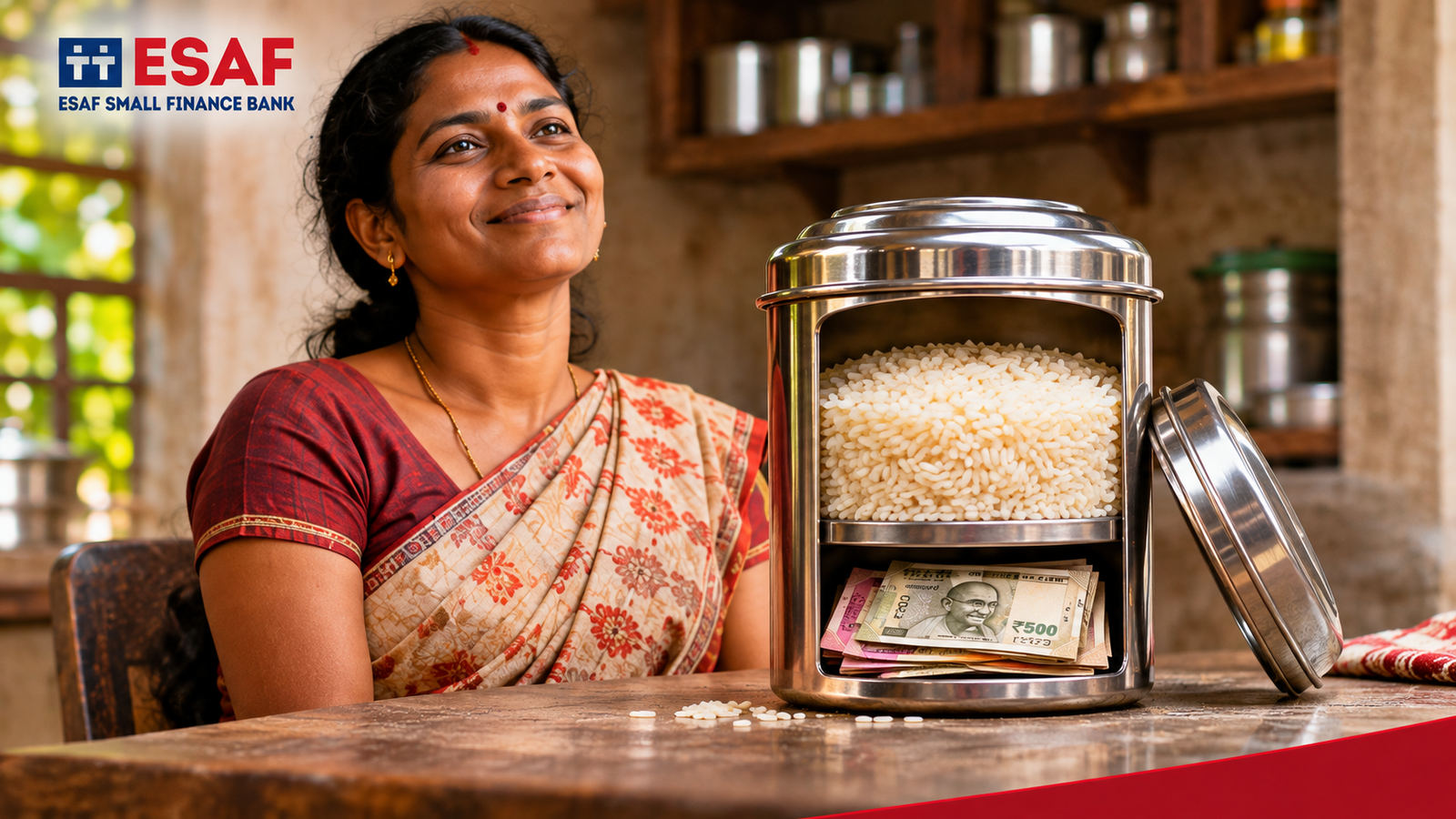
What if a humble rice container could become a woman’s first step towards financial independence? ESAF and McCann turned an everyday Indian habit into an innovative banking solution.
The ESAF Dabba Savings Account is a remarkable example of how an ordinary object can become a tool for social change. What began as a familiar practice among rural Indian women, saving small amounts of money in a steel rice container (dabba), inspired ESAF Small Finance Bank and McCann Worldgroup India to create an innovative financial inclusion initiative.
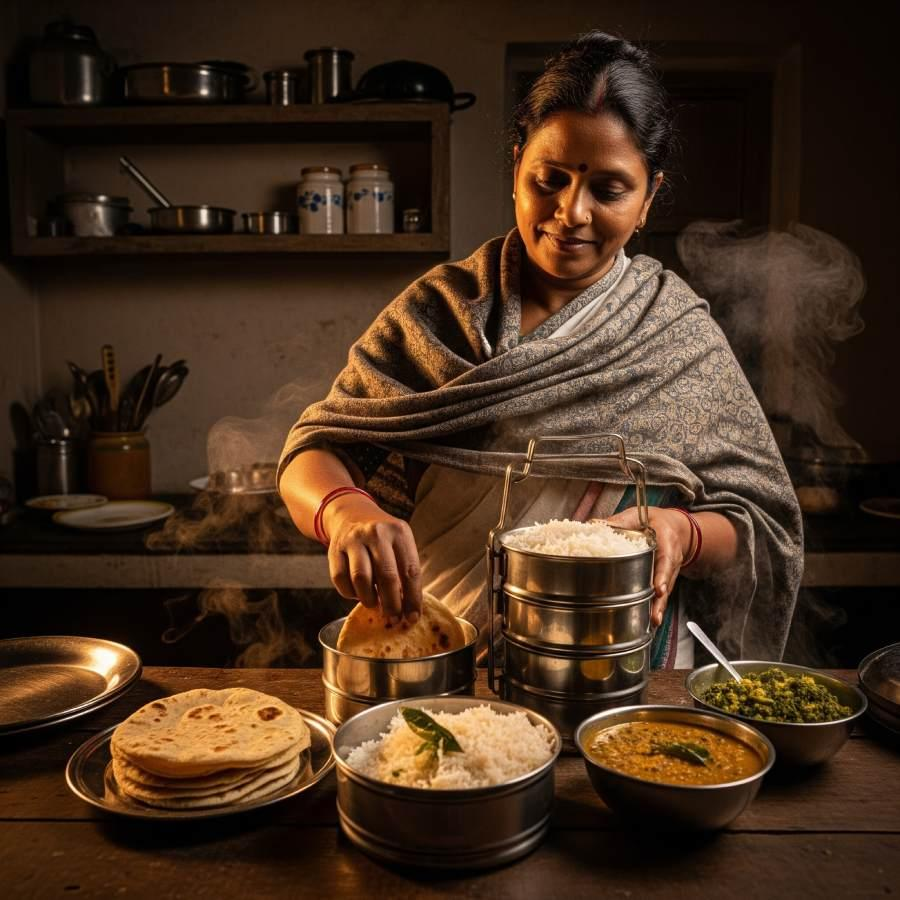
An extraordinary story of how a familiar kitchen utensil became an instrument of financial independence, and how an idea rooted in an everyday Indian habit challenged the way banks think about financial inclusion.
There was a time when a woman’s savings in many Indian households had a rather unusual bank.
It had no manager, passbook, or counter. It did not ask for identification or signatures. It did not have opening hours. Usually made of steel, it sat quietly in a corner of the kitchen and held something far more valuable than the rice it was meant to store.
It was the humble dabba.
Beneath the rice, or tucked away in a hidden corner, women would keep small amounts of money. A few rupees saved from household expenses, some earnings from work, or whatever they could put aside without drawing attention. Over weeks and months, these little amounts accumulated into something meaningful. A reserve for an emergency, a child’s needs or simply the comfort of knowing that some money belonged to them.
But there was a problem. These savings were not always safe. In households where women had limited control over finances, even the little money they managed to save could be discovered, questioned or taken away.
For these women, the challenge was not learning how to save. They already knew that. The challenge was finding a safe place to keep what they had saved.
This is where ESAF Small Finance Bank found an opportunity to do something different.
Instead of introducing another banking product and asking women to adapt, ESAF built on something they already understood and trusted. In October 2023, in collaboration with McCann Worldgroup India, it launched an initiative that would turn the traditional steel rice container into a gateway to formal banking.
It was called the Dabba Savings Account.
An idea that began in the kitchen
The thinking behind the initiative was deceptively simple. What if the familiar rice container could become a savings instrument?
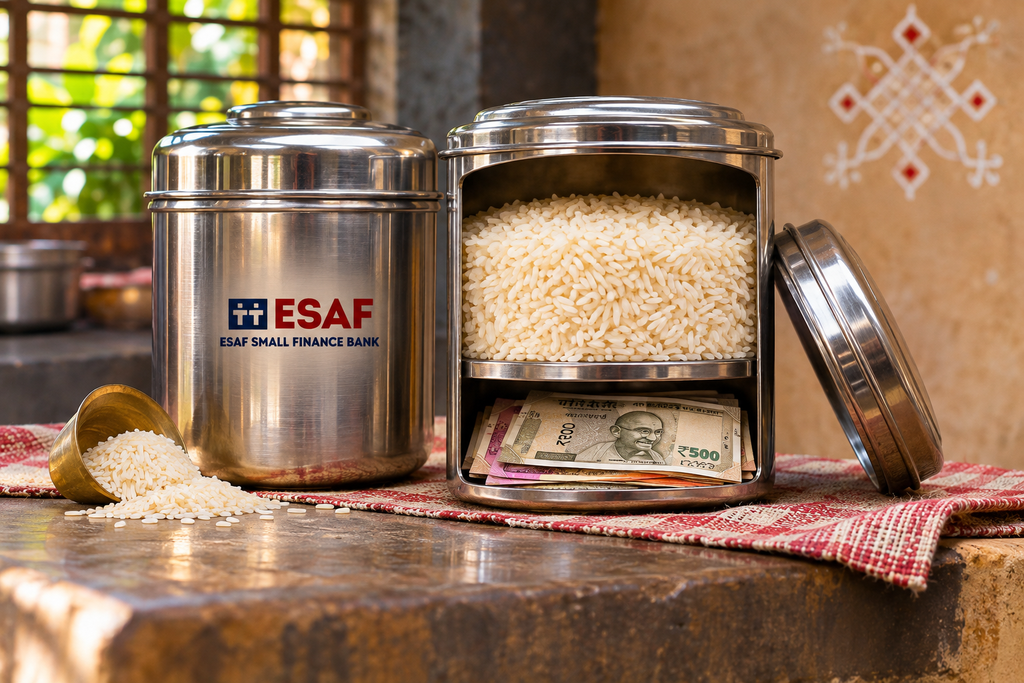
McCann’s creative team redesigned the traditional steel dabba, giving it a concealed compartment at the bottom. The upper section still held rice, as always. The lower section provided a discreet space to keep cash.
Nothing about the container appeared particularly unusual. It looked like an ordinary kitchen utensil. But it now had a second purpose.
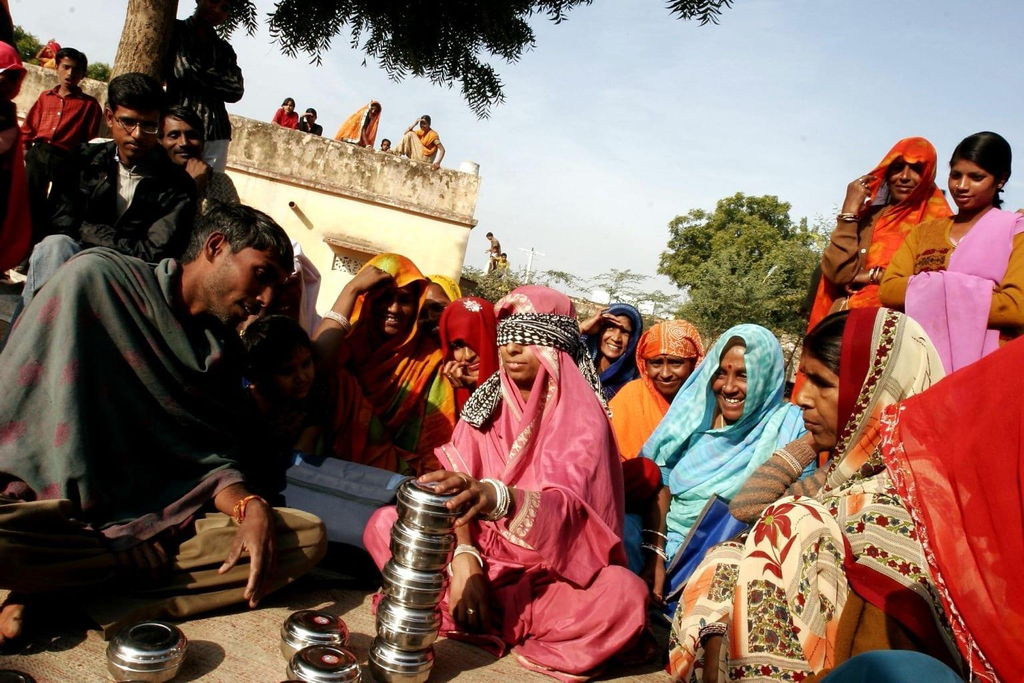
Women in eight underserved districts in southern India learned about the initiative through monthly gatherings organised exclusively for women. They received the specially designed dabbas free of cost and were helped to open savings accounts with ESAF.
The process did not demand a dramatic change in their lives. They could keep putting aside small amounts of money at home, as they always had. At subsequent community meetings, they could bring their accumulated savings and deposit them into their bank accounts.
The initiative understood something that conventional banking often overlooks: financial inclusion is not simply about providing access to an account. It is about making the entire experience comfortable, relevant and accessible.
But another obstacle remained.
What happens when a woman has successfully opened a bank account but the nearest branch is several kilometres away? What happens when withdrawing a small amount of money involves spending time and money travelling to a town?
ESAF had an answer.
It installed Aadhaar-enabled biometric micro-ATMs in neighbourhood rice shops. Women could authenticate their identity using their fingerprints and withdraw cash through the local shopkeeper.
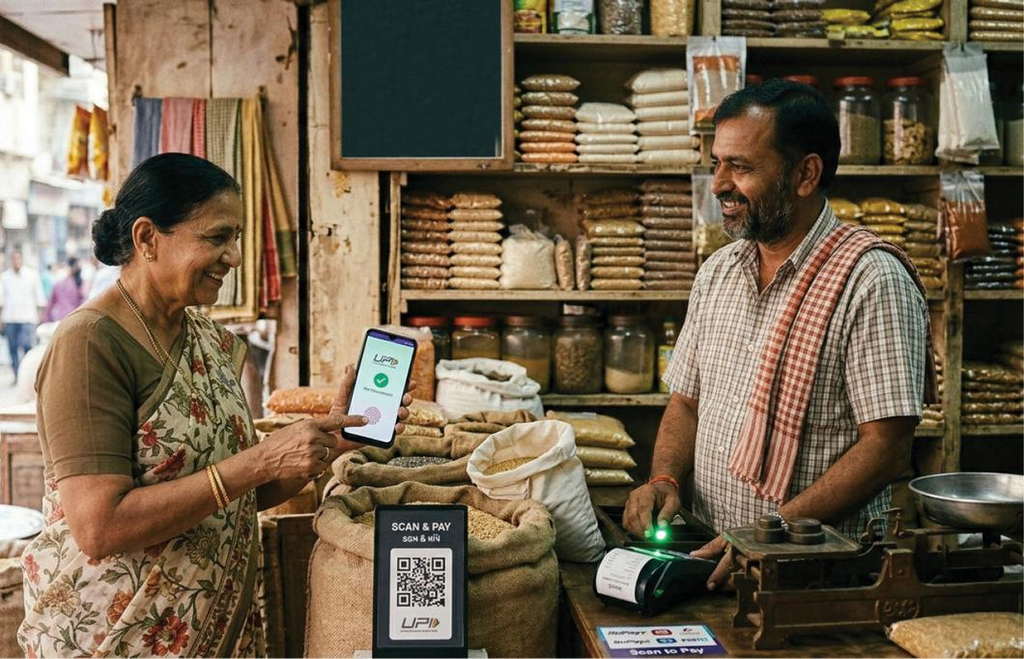
The choice of the rice shop was particularly clever. These familiar neighbourhood establishments were already part of everyday life. Banking was brought closer to women, rather than expecting them to travel to it.
The dabba helped them save. The rice shop helped them access their money. And the bank provided the formal financial infrastructure connecting the two.
The people who saw an idea in an ordinary object
Behind the idea’s simplicity was a creative team that understood the importance of looking beyond the obvious.
McCann Worldgroup India developed the initiative for ESAF Small Finance Bank. The agency’s challenge was not to create an attractive banking campaign or find a clever advertising slogan. It was to translate a deeply rooted social behaviour into a practical solution that could make a difference to women’s lives.
The creative leadership included Prasoon Joshi, Adrian Botan and Valerie Madon, as Chief Creative Officers, with Javier Campopiano as Global Chief Creative Officer.
Sharath Kuttikat, Executive Creative Director, and Unnikrishnan R, Senior Creative Director, led the execution. Sambit Mohanty, Head of Creative, was also part of the credited leadership team, alongside Associate Creative Directors Bharath Kulkarni and Gokul M. T. Inês Barros was credited with the copywriting.
The wider agency leadership included Ashish Chakravarty, Executive Director, and Vishal Ahluwalia, Executive Vice President. Vinod A. K. directed the video production, with Virtual Eye Films, Kochi, credited as the production company.
What makes the creative work interesting is that the team did not treat the dabba as a prop in an advertising film. They made it the intervention’s central instrument. The idea wasn’t merely to tell a story about women’s financial independence. It was to create something women could actually use.
That distinction separates a socially themed advertising campaign from an idea that attempts to solve a social problem.
The boldest advertising decision was not to advertise.
Another detail makes the initiative particularly interesting.
In a world where brands spend enormous amounts of money trying to make their campaigns visible, ESAF and McCann chose not to publicise the initiative through conventional advertising, publicity or PR.
It sounds counterintuitive. After all, why create an innovative banking initiative if you are not going to tell the world about it?
But the decision stemmed from the very insight that inspired the campaign.
The women needed privacy. If the initiative became widely publicised, it could potentially draw attention to the fact that women in particular households were secretly putting money aside. That could defeat the intervention’s purpose.
The campaign therefore chose discretion over visibility.
There were no loud promises about empowerment, no elaborate claims about transforming rural India and no conventional media blitz. The idea was introduced directly to the intended beneficiaries through community interactions.
In this instance, the absence of advertising was itself a strategic communication decision.
It also raises an interesting question for marketers: Is the purpose of every campaign to make the brand famous, or should there be occasions when the brand deliberately steps aside to protect the consumer?
ESAF’s decision suggests that responsible marketing sometimes requires resisting the temptation to seek attention.
When inclusion also makes business sense
The initiative was not just a social experiment. It also created a business opportunity for ESAF.
According to the results reported in the campaign’s award submissions, 121,670 women opened bank accounts through the Dabba Savings Account initiative. The reported outcomes also included a 35% increase in total deposits and a 40% increase in net profits, with the initiative credited as a contributing factor.
These figures come from the campaign and its associated communications, not independently audited evidence establishing direct causation. Nevertheless, they demonstrate the potential commercial value of understanding an underserved customer segment.
For ESAF, these women represented more than new account holders. They represented an opportunity to establish long-term banking relationships with customers who had traditionally remained outside the formal financial system.
The initiative also received international recognition, including a Bronze Lion in the Sustainable Development Goals category at Cannes Lions 2024. It subsequently earned recognition at The One Show, D&AD and other international creative award platforms.
But perhaps the most meaningful measure of success was not the number of awards or even the number of accounts opened. It was the possibility that thousands of women could begin moving their savings from an informal hiding place into accounts held in their own names.
That is a different kind of return on investment.
The marketing lesson hidden inside a dabba
Several lessons apply to brands and businesses.
First, innovation does not always mean inventing something new. Sometimes it means recognising the value of something that already exists. ESAF did not invent a new savings habit. It recognised an existing one and found a way to make it work within the formal banking system.
Second, good innovation begins with understanding behaviour, not imposing change. Rather than teaching women an unfamiliar banking habit, the initiative built on their existing practices.
Third, accessibility is as important as the product itself. The micro-ATMs in local rice shops addressed a practical barrier that a conventional savings account alone could not solve.
Finally, purpose is meaningful only when it shapes the design of a business intervention. The Dabba Savings Account did not merely communicate financial empowerment. It attempted to make financial empowerment more accessible.
There is, of course, a larger question about what happens after account opening. True financial inclusion must eventually be measured through sustained account usage, savings behaviour, financial security and women’s control over their money. Opening an account is the beginning, not the destination.
But the idea offers a powerful starting point.
For generations, women have trusted the little steel dabba in their kitchens with their savings. ESAF recognised a much bigger idea hidden beneath the rice.
Sometimes, the best way to innovate is not to introduce something unfamiliar into people’s lives, but to discover the extraordinary potential of something they have always known.
And sometimes, a little steel box can hold much more than rice and a few saved rupees. It can hold a woman’s aspirations, her independence and her hope for a future she can help shape herself.


