World Cup Special: Nike Just Changed the Cast of a Football Commercial
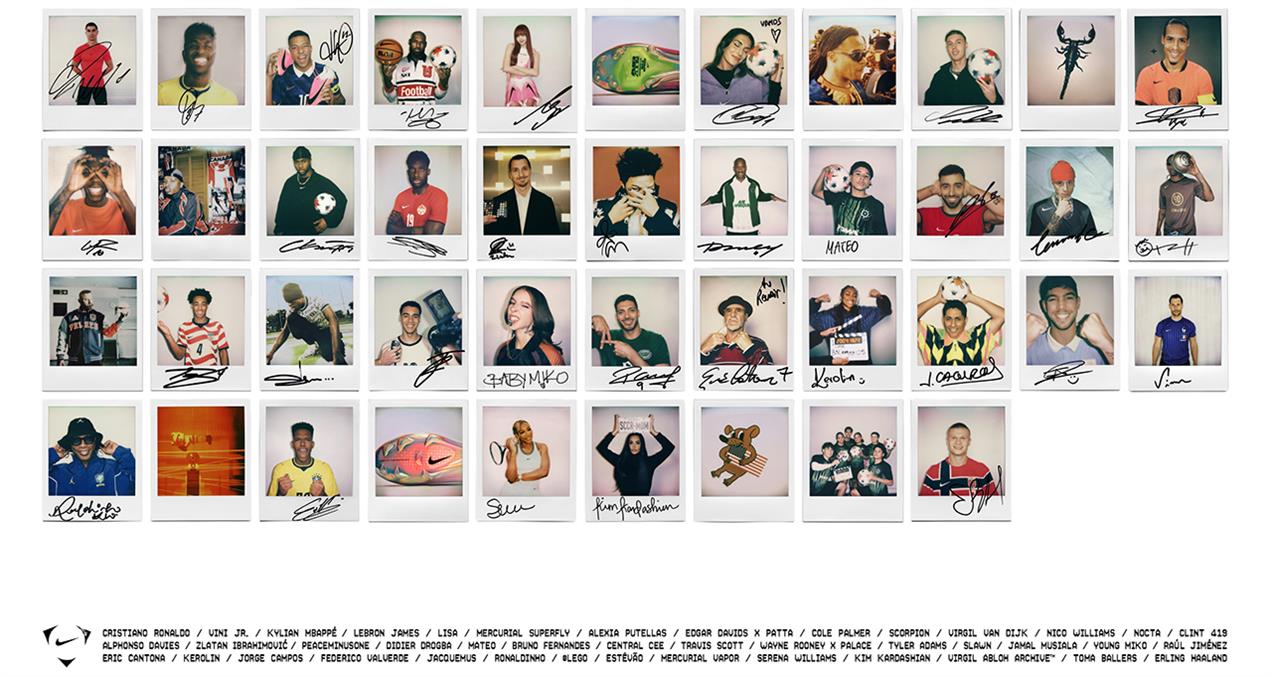
Nike’s 2026 World Cup campaign featuring stars like Travis Scott and Cristiano Ronaldo shows how football has become a global cultural phenomenon.
A Cast Nobody Expected
When Nike unveiled its 2026 FIFA World Cup campaign, the first reaction wasn’t admiration. It was confusion. Kim Kardashian? In a football commercial? Then came Travis Scott, LeBron James, Serena Williams, Lisa and even Ted Lasso. For many football fans, it looked as though Nike had forgotten what the World Cup was all about.
But Nike hadn’t lost the plot. If anything, it had recognised something many brands are only beginning to understand. Football hasn’t changed. The audience has.
When Football Became Bigger Than the Pitch
For decades, football advertising followed a familiar formula. The world’s best players, dramatic music, impossible skills and a message that inspired millions to dream of playing the beautiful game. Nike mastered this approach with campaigns that are still remembered today, including:
- The Brazil Airport commercial, where Ronaldo and the Brazilian team transformed an airport into a football pitch.
- Secret Tournament, the underground cage competition featuring the biggest football stars.
- Joga Bonito, a campaign that celebrated flair, creativity and the joy of football.
Those commercials were about football. Rip The Script is about football culture.
The World Cup has evolved into much more than a sporting event. For a month, it dominates conversations across fashion, music, entertainment, streaming platforms and social media. Even people who rarely follow football suddenly know the fixtures, discuss standout performances and share memorable moments. Nike’s latest campaign reflects this broader reality rather than the sport in isolation.
One Film. Many Worlds.
Instead of relying solely on football legends, Nike assembled a cast that mirrors today’s interconnected culture. Alongside Cristiano Ronaldo, Kylian Mbappé, Erling Haaland, Vinícius Júnior and Cole Palmer are Kim Kardashian, Travis Scott, LeBron James, Serena Williams, Lisa and Ted Lasso.
At first glance, the line-up feels unusual. On closer inspection, it feels inevitable.
Today’s football fan isn’t defined by one interest. The same person watching Ronaldo score a free kick could also be listening to Travis Scott, following Kim Kardashian on Instagram, binge-watching Netflix and waiting for the latest sneaker drop. Entertainment, fashion, music and sport no longer exist in separate worlds. They shape one another every day, and Nike has built a campaign that reflects this cultural overlap.
Why Kim Kardashian Makes Perfect Sense
Kim Kardashian’s appearance generated the most debate, but it also reveals Nike’s thinking.
The brand isn’t trying to convince lifelong football supporters to watch the World Cup. They are already invested. Instead, Nike is extending football’s cultural reach by bringing in someone who commands attention across multiple audiences.
Kim Kardashian represents far more than celebrity. She connects with communities interested in:
- Fashion and beauty
- Entrepreneurship
- Lifestyle and entertainment
- Digital and social culture
Her appearance, alongside her football-loving son Saint West, subtly reinforces another shift. Football is increasingly becoming a shared family experience that reaches well beyond traditional supporters.
More Than Music, More Than Sport
Travis Scott’s inclusion follows the same logic. His partnership with Nike has made him one of the brand’s most influential collaborators, with sneaker launches that dominate conversations across music, fashion and streetwear. His role isn’t to validate football. It is to bring an entirely different audience into the World Cup conversation.
Cristiano Ronaldo, meanwhile, provides continuity. After more than two decades with Nike, he remains one of football’s defining figures and a symbol of elite performance. Surrounded by entertainers and cultural icons, Ronaldo reminds viewers that sporting excellence still sits at the centre of Nike’s identity.
Together, the three personalities represent different dimensions of influence:
- Cristiano Ronaldo represents sporting excellence.
- Kim Kardashian represents mainstream cultural influence.
- Travis Scott represents youth culture, music and fashion.
Rather than competing for attention, they combine to expand the campaign’s relevance across multiple communities.
The New Playbook for Influence
Perhaps that is the campaign’s biggest lesson. Brands no longer need a single ambassador who represents the product. Increasingly, they need an ecosystem of ambassadors who represent the culture surrounding the product.
Nike understands that consumers belong to many communities at once. Football fans are also music lovers. Sneaker collectors follow athletes and entertainers. Fashion enthusiasts consume sport as part of broader popular culture. By bringing these worlds together, Nike has created a campaign designed not just for television, but for conversations across every platform.
For marketers, the campaign offers a few important takeaways:
- Culture now matters as much as category expertise.
- Influence is stronger when it comes from multiple communities.
- The biggest campaigns are designed to generate conversations, not just impressions.
- Modern marketing succeeds by connecting audiences rather than targeting them in isolation.
The Final Whistle
It is easy to ask why Kim Kardashian appears in a football commercial.
A better question is why a global event like the World Cup should belong only to footballers.
Nike believes the tournament has become one of the world’s biggest cultural stages, where sport, music, fashion, entertainment and social media intersect. Rip The Script isn’t trying to redefine football. It is recognising that football already belongs to a much larger cultural universe.
That may be Nike’s smartest play of all.