Brands Move To Create Value Beyond Core Purpose
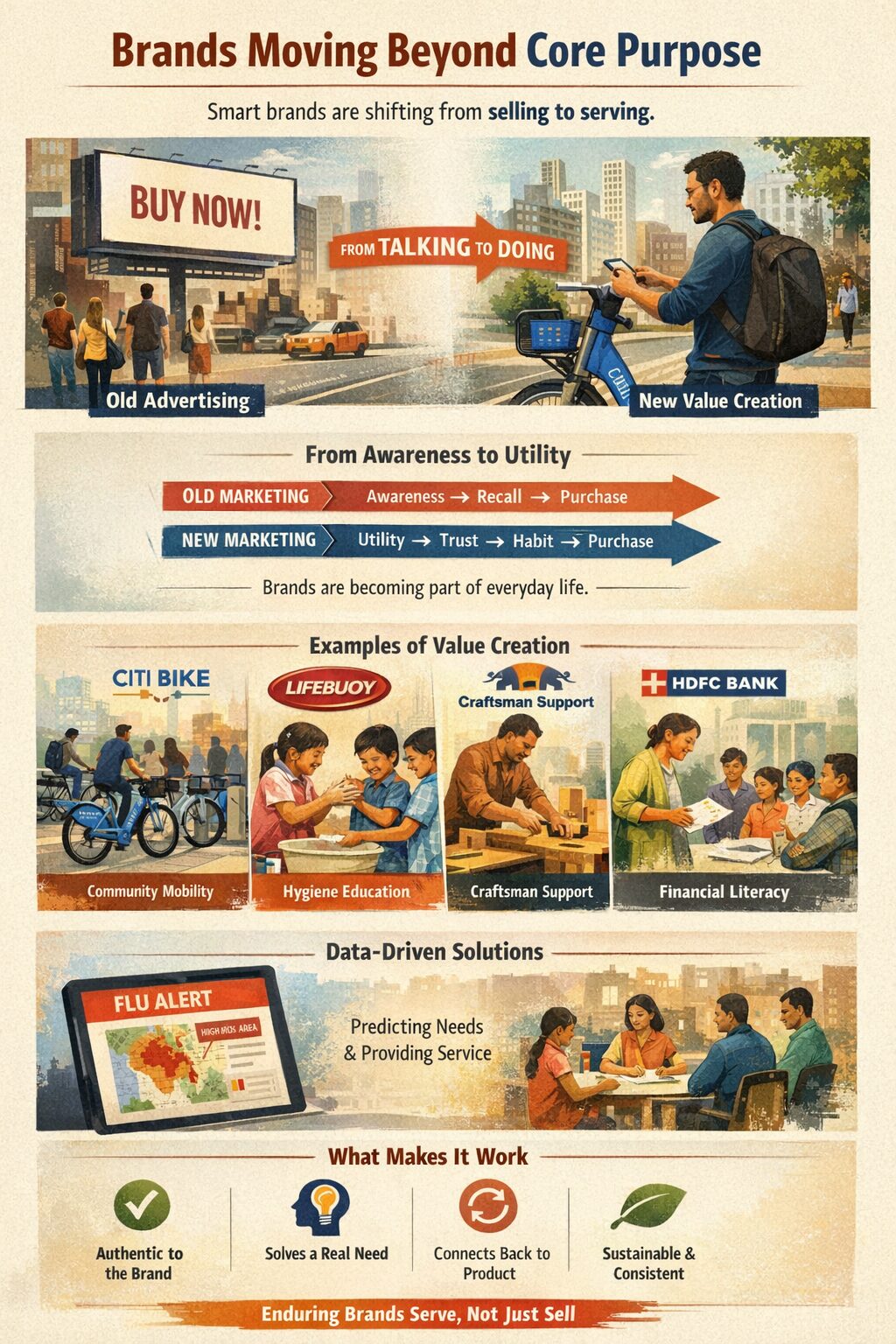
How the smartest brands are shifting from selling to serving and why the line between marketing and utility is blurring fast.
From Talking to Doing
There was a time when marketing meant a clever tagline, a catchy jingle, and enough media spend to make sure it stuck. Brands talked. Consumers listened. That was the deal.
Not anymore.
A quiet but significant shift is underway. The best brands are no longer content to communicate their value simply – they are actively creating it. Instead of asking consumers to remember them, they are giving consumers reasons to need them. This move from talking to doing is reshaping what marketing looks like, and more importantly, what it can achieve.
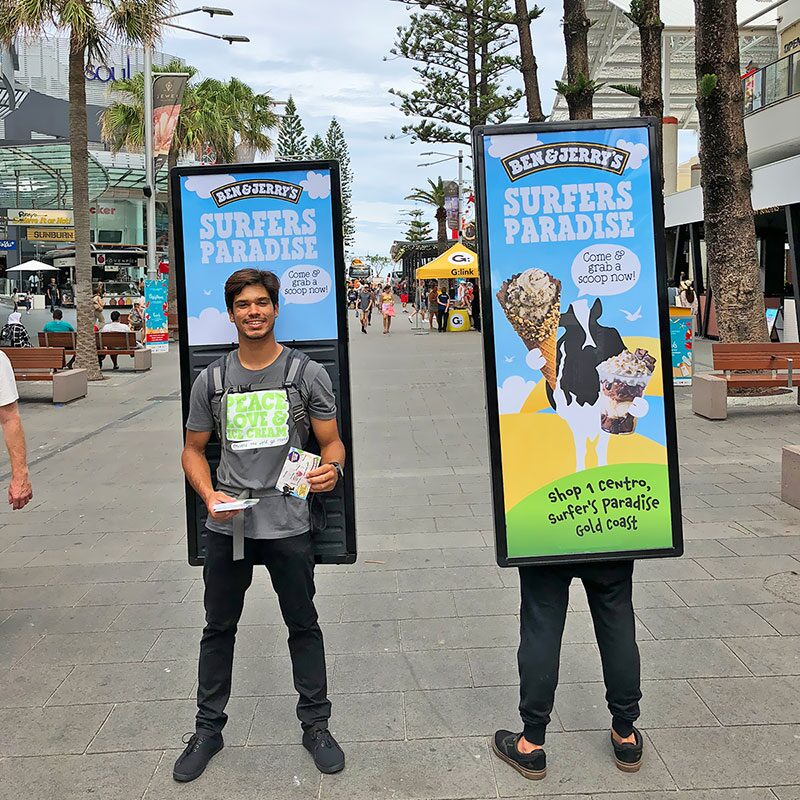

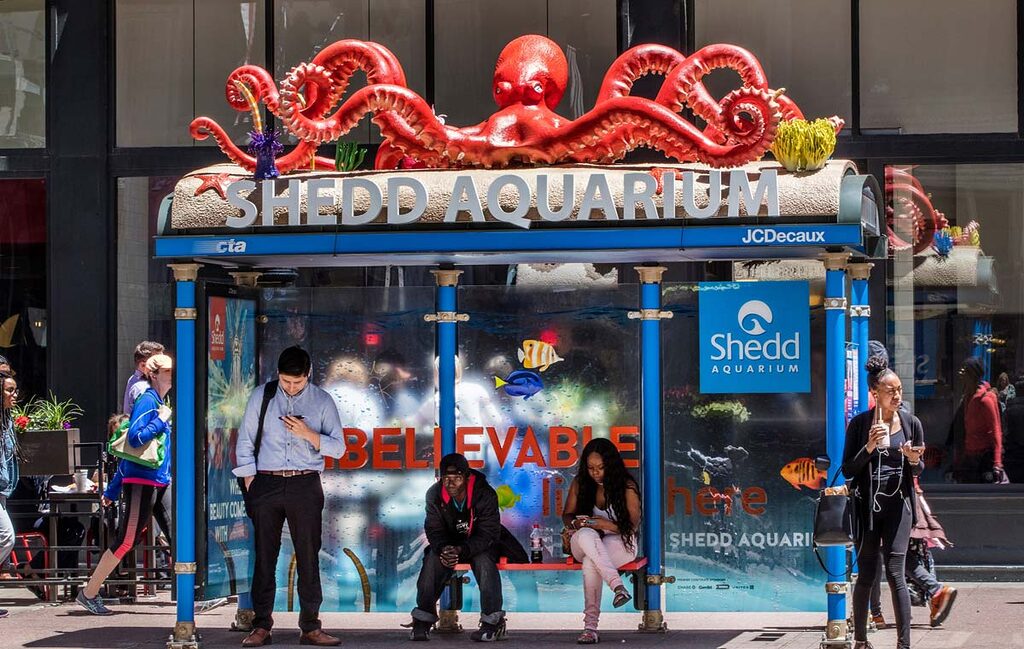
The examples coming out of global markets – and increasingly from India – make a compelling case that brands willing to invest in genuine utility will find themselves in a far stronger position than those still chasing attention through noise.
Utility Over Awareness: A New Marketing Compact
Consider Citibank’s bike-share program in New York. At face value, a bank funding bicycle rentals sounds like a PR stunt. Look closer, and it is something more deliberate – a long game in brand association. Every blue bike rack in Manhattan is a reminder of Citi, but more importantly, every ride creates a small, positive experience linked to the brand. The bank is not talking about being community-friendly. It is being community-friendly.

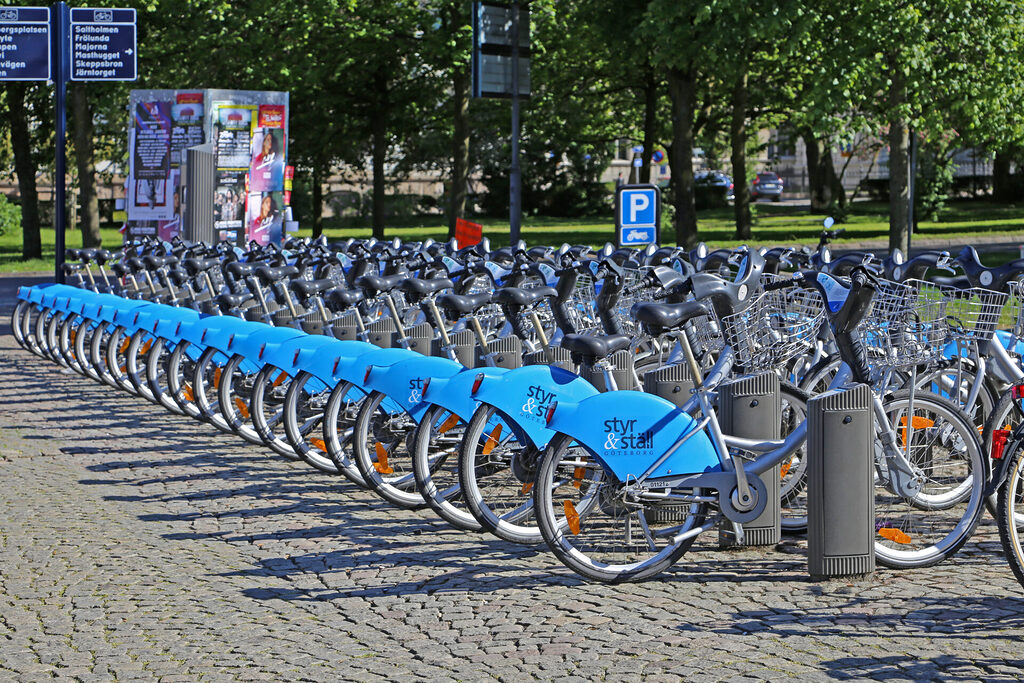
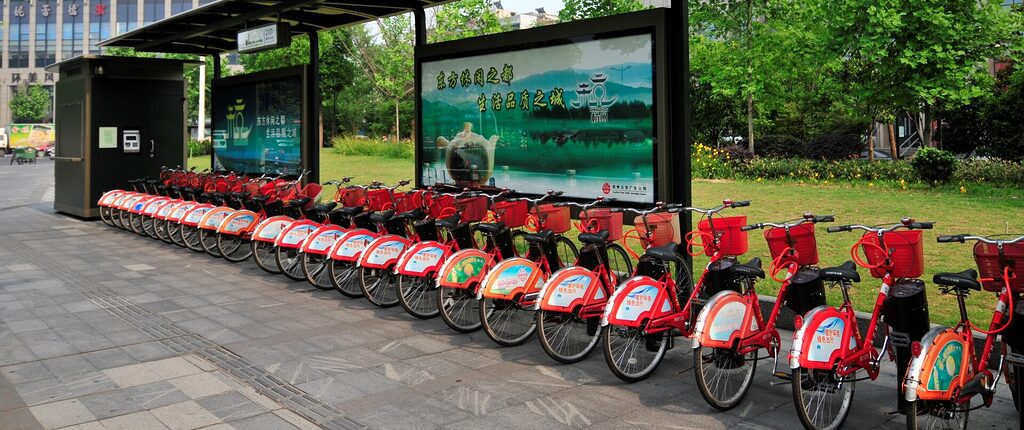
This is the essence of what value beyond purpose means. It is not about a brand wandering off into random acts of goodwill. It is about building utility that reflects and reinforces what the brand stands for-and, in doing so, deepens its relevance in people’s lives.
What Makes This Work
• The value created must feel authentic to the brand’s identity
• It should solve a real problem or meet a genuine need
• Ideally, it creates a direct or indirect pathway back to the core product
• And it should be sustainable – not a one-time campaign spike
Kleenex and the Art of Intelligent Brand Extension
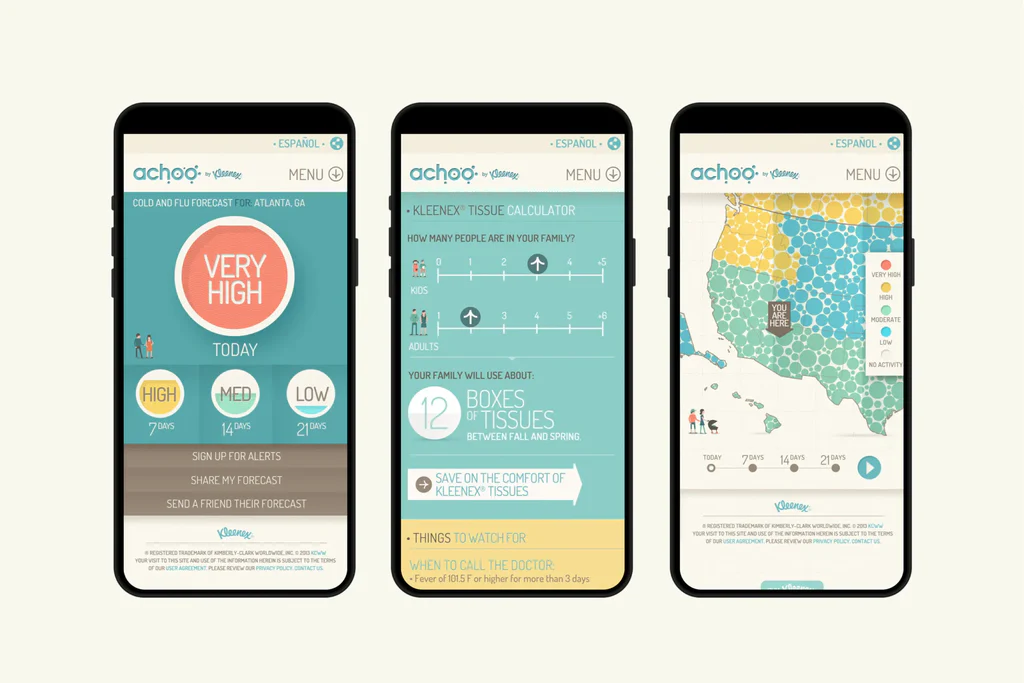
Perhaps the most instructive example of this approach is Kleenex’s My Achoo initiative. Using data from the Centres for Disease Control, Kleenex developed a proprietary forecasting model that predicts where flu outbreaks will strike up to three weeks in advance, with claimed accuracy of around 90 per cent. Consumers could enter their ZIP code to receive regional health alerts ahead of the season.
Clever? Yes. But more importantly, relevant.
My Achoo works because it does not try to be something Kleenex is not. The brand is in the business of tissues, and tissues matter most when people are sick. Alerting consumers early about incoming flu is not a detour from the brand’s purpose – it is an acceleration of it. It converts awareness into anticipation, and anticipation into a purchase decision, all without ever feeling pushy.
The brand supported this with traditional TV advertising and a travelling ‘Kleenex Checkpoints’ promotion that physically moved from city to city following the flu forecast. It is the kind of integrated, data-driven initiative that makes marketing feel less like an interruption and more like a service.
The Key Difference
What separates Kleenex from many other ‘value-add’ initiatives is that the connection to the product is tight and logical. There is no leap of faith required from the consumer. The question the brand is answering – ‘when should I be stocking up on tissues?’ – is one that only Kleenex is uniquely positioned to answer. That is brand ownership of a category behaviour, not just a category.
India Is Not Watching From the Sidelines
This is not a Western phenomenon. Indian brands have been quietly building similar playbooks, some out of strategic intent and others almost organically.
Tata Salt and Nutrition Awareness
Tata Salt has long occupied a space beyond salt. Its messaging around iodine deficiency and women’s health, combined with grassroots awareness programmes, positioned it as a brand that cares about the nutritional well-being of Indian families. The product is functional. The brand is purposeful. The result is one of the most trusted FMCG names in the country.
Fevicol and the Craftsman Economy


Pidilite’s Fevicol did something remarkable. It invested in training programmes for carpenters and furniture-makers – the very tradespeople who influence which adhesive brand gets used on every job. The brand was not just advertising to end consumers. It was creating value for the professional ecosystem it depended on. The famous Fevicol advertising is celebrated for its humour, but the behind-the-scenes community-building is what locked in loyalty.
Lifebuoy and Handwashing Behaviour Change
Hindustan Unilever’s Lifebuoy ran one of the most effective behaviour-change campaigns in Indian marketing history, teaching children and parents about handwashing rather than just selling soap. The Lifebuoy Swasthya Chetna programme reached millions of rural households not as a sales pitch but as a public health intervention. Soap sales followed, but the trust built went far deeper.
HDFC Bank’s Financial Literacy Push
HDFC Bank has made meaningful investments in financial literacy for first-generation bank account holders, particularly in semi-urban and rural markets. Teaching people how to use banking products, manage savings, and avoid financial fraud is not what a bank’s marketing team is conventionally expected to do. But it builds the kind of trust that no amount of advertising can buy.
What Connects These Approaches
Across global and Indian examples, there is a common thread worth naming explicitly:
• The brand identified a need that its consumers had, adjacent to the core product
• It created something -a tool, a service, a programme – that addressed that need genuinely
• The connection to the brand’s product or purpose remained clear and credible
• The initiative was executed with consistency, not just as a one-time campaign
Brands that get this right do not just sell more. They become harder to replace.
The Critics Have a Point
It would be dishonest to celebrate this trend without acknowledging its limits. Not every brand that attempts to create value beyond its core purpose does it well – and some do it in actively counterproductive ways.
The most common failure mode is what might be called ‘purpose cosplay’ – brands latching onto a social or cultural issue not because they have anything meaningful to contribute, but because it generates attention. Green Giant’s attempt to chase Millennial engagement through shock-value web content is a useful cautionary tale. The video generated views. It generated little else. There was no logical connection between the content and the brand’s equity, no new utility created for the consumer, and no clear path to incremental sales. It was attention-seeking without direction – and younger, media-savvy audiences are particularly quick to sniff out the difference.
The Risk of Straying Too Far
A more structural criticism is that some value-creation initiatives stray so far from the core business that they dilute brand identity rather than strengthen it. When a bank sponsors a cycling programme, the connection is tenuous enough to raise questions about whether the money might have been better spent elsewhere. The Citi bike programme may well build warm associations over time, but the mechanism is indirect, and the return on investment is genuinely difficult to measure. For brands operating in competitive, margin-sensitive categories, this kind of diffuse investment is a luxury that requires deep pockets and long time horizons.
There is also the risk of overpromising. A brand that positions itself as a health advisor, a financial educator, or a community builder takes on an implicit contract with its consumers. If the initiative is discontinued, scaled back, or worse – shown to be driven by data mining rather than genuine care, the damage to trust can be significant. Brands that venture into utility must be prepared to sustain the commitment.
The Bottom Line
The move from talking to doing is not a trend that will reverse. As consumers become harder to reach through traditional media, trust in advertising continues to erode, and the gap between brand communication and brand behaviour becomes more visible, the brands that will endure are those that genuinely find ways to matter in people’s lives.
The Kleenex model- staying close to your purpose while expanding your utility-is the more sustainable approach. It is marketing that sells without feeling like it is selling. The Citi model – creating positive associations at a distance – can work, but requires patience and a brand strong enough to carry the weight of an indirect connection.
For Indian brands, the opportunity is particularly rich. In a market where consumer trust is hard-won, where category literacy is still developing across large population segments, and where the line between brand and community is more porous than in mature markets, the brands that invest in genuine value creation will find themselves with a durable competitive advantage.
The question is no longer whether brands should create value beyond their core purpose. The question is whether they are doing it credibly, consistently, and with enough discipline to keep the connection to what they actually sell.
Bibliography & References
- Kotler, Philip; Keller, Kevin Lane.
Marketing Management (15th Edition). Pearson Education.
https://www.pearson.com
— Foundational framework on value creation, customer-centric marketing, and evolving brand roles. - Porter, Michael E., & Kramer, Mark R. (2011).
Creating Shared Value. Harvard Business Review.
https://hbr.org/2011/01/the-big-idea-creating-shared-value
— Introduces the idea that businesses create competitive advantage by delivering societal value alongside economic value. - Rust, Roland T., & Huang, Ming-Hui (2014).
The Service Revolution and the Transformation of Marketing Science.
Marketing Science Institute.
https://www.msi.org
— Explains shift from product communication toward service and utility-based marketing. - McKinsey & Company (2021).
The Future of Personalization and Customer Experience.
https://www.mckinsey.com/business-functions/growth-marketing-and-sales/our-insights
— Discusses consumer expectations moving from messaging toward functional brand value. - Pine, B. Joseph & Gilmore, James H. (1998).
Welcome to the Experience Economy. Harvard Business Review.
https://hbr.org/1998/07/welcome-to-the-experience-economy
— Establishes the idea that experiences create competitive differentiation beyond products. - Edelman, David & Singer, Marc (2015).
Competing on Customer Journeys. Harvard Business Review.
https://hbr.org/2015/11/competing-on-customer-journeys
— Explains how brands win by embedding themselves into consumer decision journeys. - NYC Bike Share (Citi Bike Official Website)
https://citibikenyc.com
— Overview of Citi Bike program and partnership branding. - Bloomberg CityLab Analysis of Citi Bike Sponsorship
https://www.bloomberg.com/news/articles/citi-bike-new-york
— Discussion on urban branding and sponsorship impact. - Kimberly-Clark Case Study: My Achoo Flu Prediction Tool
https://www.kimberly-clark.com
— Brand initiative linking flu forecasting with tissue consumption behaviour. - Centers for Disease Control and Prevention (CDC) Flu Surveillance Data
https://www.cdc.gov/flu/weekly/index.htm
— Data foundation referenced in flu prediction initiatives. - Tata Consumer Products – Nutrition & Iodine Awareness Initiatives
https://www.tataconsumer.com
— Public health positioning and nutrition education efforts. - Pidilite Industries Annual Reports & Skill Development Initiatives
https://www.pidilite.com/investors
— Documentation of carpenter engagement and training programmes. - Hindustan Unilever Limited Sustainability Reports
https://www.hul.co.in/sustainable-living
— Details on handwashing behaviour-change campaigns. - World Bank Case Reference on Handwashing Campaigns
https://www.worldbank.org/en/topic/water/publication/handwashing-behavior-change
— Behaviour-change marketing impact evidence. - HDFC Bank CSR & Financial Literacy Initiatives
https://www.hdfcbank.com/personal/about-us/corporate-social-responsibility
— Financial education programmes and inclusion initiatives. - Vredenburg, Jessica et al. (2020).
Brand Activism: A Framework for Authentic Brand Purpose. Journal of Business Research.
https://doi.org/10.1016/j.jbusres.2019.10.034
— Explains risks of “purpose washing” and authenticity gaps. - Sprout Social (2023).
The State of Social Media & Consumer Expectations Report.
https://sproutsocial.com/insights/data
— Evidence that consumers reward brands delivering real value over messaging. - Edelman Trust Barometer (Annual Report)
https://www.edelman.com/trust-barometer
— Documents declining trust in traditional advertising and institutions. - Deloitte Insights (2022).
Purpose-Driven Brands and Consumer Loyalty.
https://www2.deloitte.com/insights
— Research linking purpose-led action to long-term loyalty. - Selected references include Harvard Business Review, McKinsey & Company, Edelman Trust Barometer, and corporate sustainability disclosures from Tata Consumer Products, Hindustan Unilever, Pidilite Industries, and HDFC Bank.