Co-Creation Isn’t Just Better Products – It’s Richer Experiences
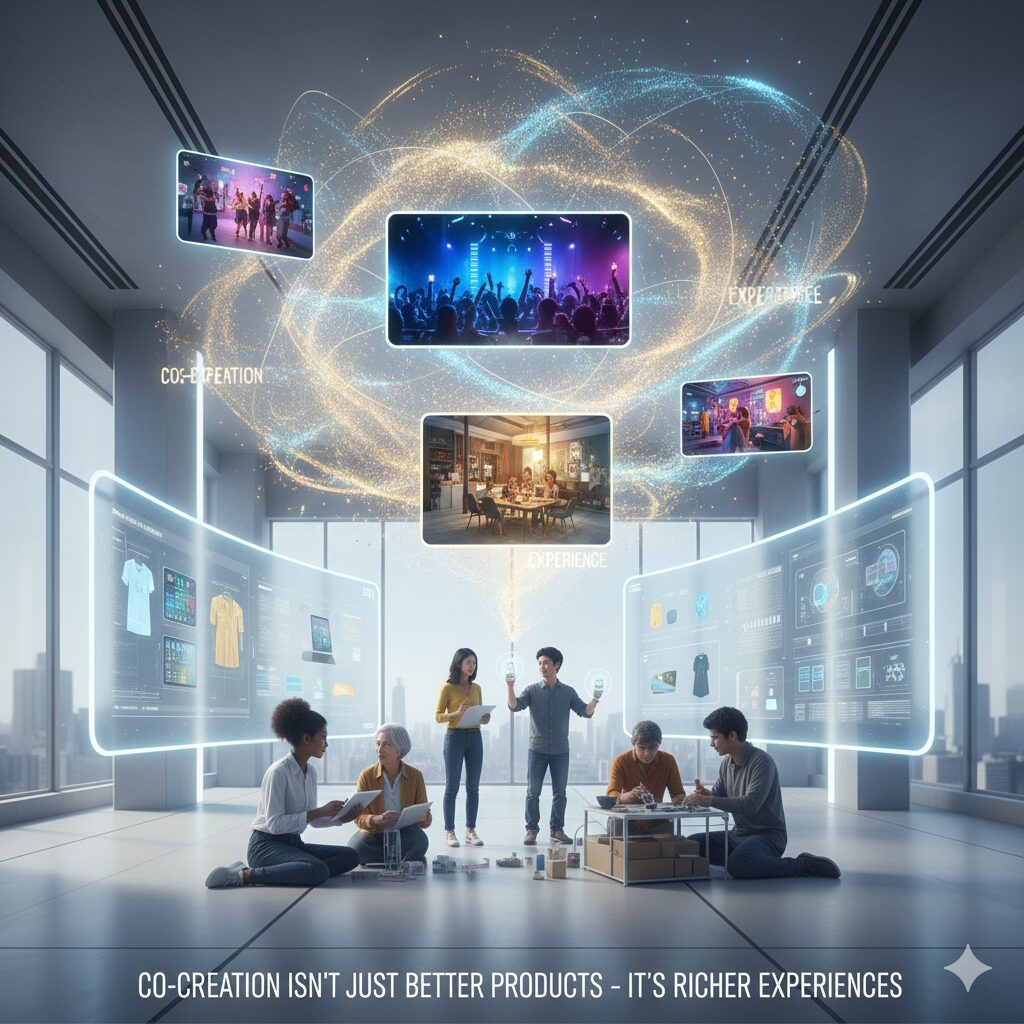
Global and Indian brands use co-creation to build richer customer experiences, deepen loyalty, and drive innovation through shared creativity.
For decades, firms chased feature lists: lighter, faster, cheaper. But the competitive edge now belongs to experiences – the feelings, rituals and contexts that surround a product. Co-creation is the discipline that turns customers from passive buyers into active partners in designing those experiences.
At its heart, co-creation is simple: companies and users collaborate as equals to imagine and build new ways of living, working, and using things. The output may be a product tweak, a new service, or an entirely new business model – but the real payoff is a deeper, emotional bond between brand and user.
Why co-creation matters now
- Experience beats features. Competitors can copy specs; they can’t easily duplicate a community, a ritual, or the trust built when customers help shape a solution.
- Speed with direction. Involving customers early reduces wasted work. You iterate on real use cases, not assumptions.
- Built-in advocacy. People defend what they helped create. Co-creators become ambassadors.
- Resilience through diversity. Bringing diverse stakeholders into design yields solutions that are robust across contexts and markets.
Powerful examples from around the world
LEGO
LEGO Ideas invites fans to submit set concepts. When a design reaches community votes, LEGO produces it and shares royalties with the creator. Result: products that sell because fans already champion them – from Women of NASA to pop-culture sets.
Starbucks
The My Starbucks Idea platform captured customer suggestions on drinks, service and stores. Many implemented ideas – Wi-Fi, mobile order features, came directly from that community input, improving customer experience and loyalty.
IKEA
IKEA runs co-creation workshops and local labs to design solutions for small-space living (especially in Asia). The output isn’t just a product line, it’s culturally tuned retail experiences and merchandising that fit local life.
Nike
Nike By You lets customers design shoes. Customisation creates premium pricing, emotional ownership and social sharing – transforming buyers into brand storytellers.
Airbnb
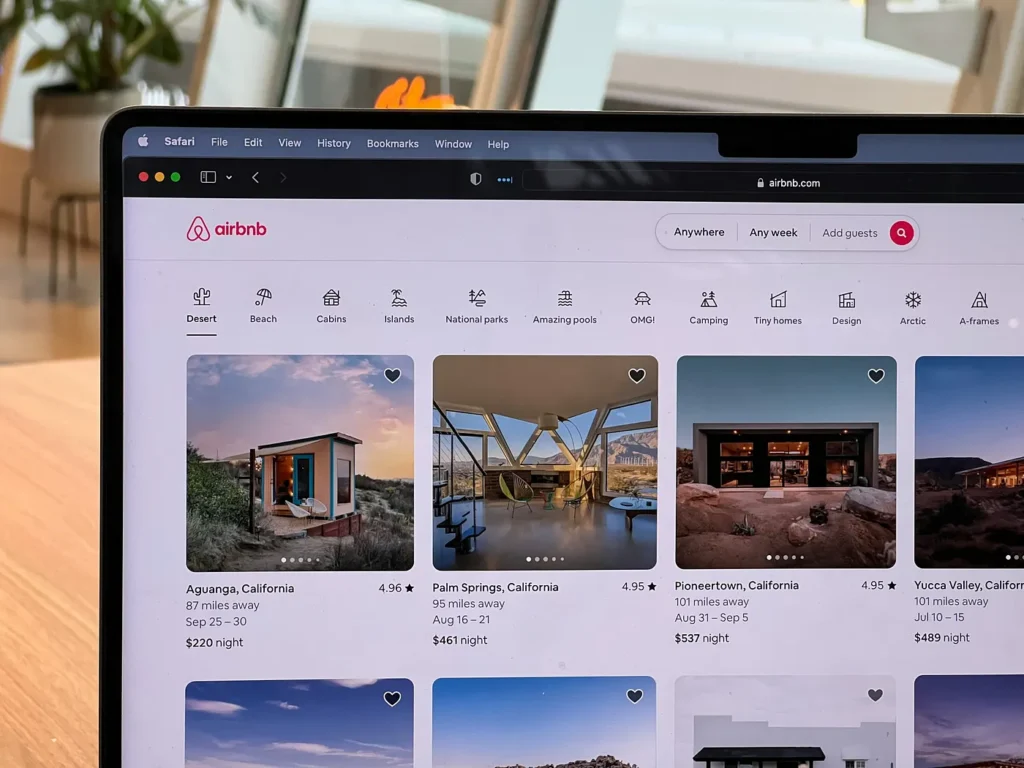
Airbnb’s host community shaped everything from cancellation policies to local experiences. Hosts and guests co-design offerings such as local tours, home-based classes and micro-hospitality rituals, strengthening the platform’s experiential promise.
Tata Motors
For its heavy-truck range, Tata co-designed cabins and control layouts with drivers. The practical insights (ergonomics, storage, visibility) led to higher driver satisfaction and lower downtime – business outcomes and a better experience in one move.
Hindustan Unilever’s Shakti
HUL worked with rural women entrepreneurs to co-design distribution models, pack sizes, and education programmes. The women’s local knowledge turned into a distribution system that expanded reach and built trust in remote markets.
Royal Enfield
Royal Enfield’s riding clubs, factory events and owner meets are more than marketing -they are co-creation labs. Owners influence product tweaks, service model ideas and the cultural rituals that make the brand indispensable.
How to practice co-creation: a practical playbook
- Start with the right question. Don’t ask “what feature?” Ask “What experience are users trying to live?”
- Segment collaborators. Include lead users, marginal users, frontline staff and partners. Lead users often foresee shifts before mainstream customers.
- Use mixed methods. Combine ethnography (observing real use), design sprints (rapid prototyping), hackathons (open innovation), and digital platforms (continuous feedback).
- Prototype with users. Build low-fidelity prototypes and test them live. Co-creation thrives on early, imperfect drafts.
- Make contributions easy. Micro-tasks, templated feedback forms, and design kits help non-experts participate.
- Share outcomes and rewards. Acknowledge contributors publicly, share royalties when appropriate, and make implementation transparent.
- Close the feedback loop. Report back on what was implemented, why some ideas weren’t chosen, and next steps.
Common pitfalls (and how to avoid them)
- Tokenism. Don’t run a perfunctory survey and call it co-creation. Genuine involvement requires agency and visible impact.
- Platform theatre. Avoid platforms that solicit ideas, then ignore them. If you ask, act.
- Legal and IP traps. Be clear on ownership and rewards up front. Use simple contributor agreements.
- Echo chambers. Don’t only ask vocal fans. Include critical voices who will stress-test ideas.
- Metric myopia. Don’t measure only submissions. Measure adoption, retention, NPS, and behaviour change.
Measuring impact
Use a mix of quantitative and qualitative KPIs:
- Engagement metrics: number of co-creators, repeat contributors, time on task.
- Speed metrics: time from idea to prototype, failed-fast ratios.
- Business outcomes: conversion lift, retention, incremental revenue from co-created features.
- Experience metrics: NPS, CSAT, task success rates, qualitative user stories.
- Advocacy: referral lift and earned media mentions.
Co-creation at scale: organisational implications
To sustain co-creation, you need:
- Cultural humility – leadership that values questions more than scripts.
- Operational channels – product teams, legal, customer success and marketing must be wired into the loop.
- Governance – clear rules for rewards, IP, and ethical use of user data.
- Patience – some co-created changes are incremental. Compounded over time, they transform brands.
The New Rule of Modern Branding
People want brands that feel human.
Brands that listen. Brands that adapt. Brands that include.
Co-creation is not a strategy for better products – it is a strategy for better relationships.
And in a world where trust is fragile and attention is scarce, the brands that invite people in will be the brands people stay with.
Co-creation isn’t a hack. It’s a change in posture – from expert to host. When brands open doors to customers, they don’t just collect ideas. They collect empathy, permission and momentum. That is how an experience becomes not just better, but beloved.