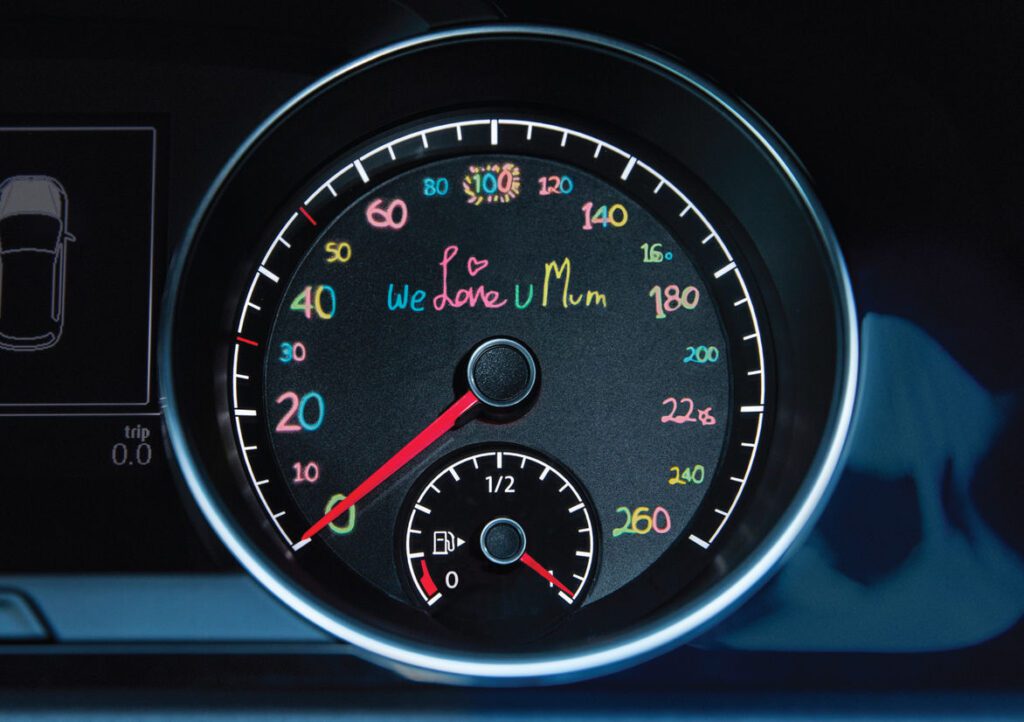
I, Me, Myself – Personalisation Will Drive Businesses of Tomorrow
Consumers no longer want products and services designed for everyone. They want experiences that reflect who they are and what they prefer. Explore how personalisation is changing consumer behaviour and shaping the businesses of tomorrow.
Personalisation in marketing is becoming a key driver of business growth as consumers increasingly expect products, services and experiences tailored to their individual preferences. Today’s customers want brands to understand their needs, recognise their choices and offer solutions that feel relevant to them. This shift from mass marketing to individualised experiences is changing how businesses develop products, communicate with customers and build lasting relationships.
Couldn’t help overhearing a conversation between two mothers complaining about their children: “This generation is so self-centred; all they think about is themselves”.
We had done a dipstick among our customers and asked them what merchandise they wanted in our cafes, and many of them asked for personalised products – products which had their name, customised to suit their requirements.
These two examples are significant for understanding customers’ orientation and inclinations across segments. Consumer behaviour has shifted from buying a product made for everybody to buying a product made for ‘me’.
The Internet is all about personalised experiences. We get information when we want it, at a time convenient to us, and largely customised.
Look at the way Internet products have evolved. First, we had general, all-encompassing portals like Yahoo; then came language and specialised portals; followed by messengers and chat; and finally came products focused on the individual. These products and experiences centred on giving users the services and information they want, not a generalised one.
Facebook, Twitter, etc. are all about communicating one’s thoughts and actions. It is not surprising that these have been a hit with most of the world’s Internet-friendly inhabitants.
Loosely put, even the form factors of Internet access have changed. Smartphones and tablets reflect personalised behaviour. Once upon a time, we accessed the net through large PCs (in fact, one PC was shared by many), and now we access the net through our phones!
High-end hotels & resorts are looking at personalising your experience at their properties. Loyalty programs have morphed into relationship programs that gather information on the food you eat, the rooms you like, and many other personal preferences. Some airlines have also done so for some of their premium-class frequent fliers.
Even some iconic brands have got into the act.
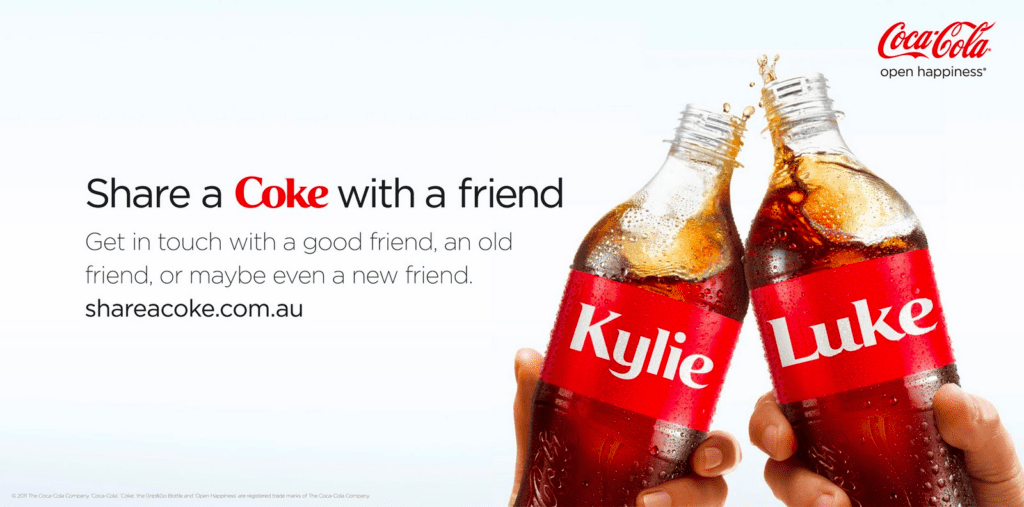
went into a frenzy. Coke was seeing diminishing sales in the youth market. And they personalised Coke! In the first stage, they released 150 different Coca-Cola bottles, each with a different name. Using the most popular names in Australia- Matt, Jack, John, Steve, Mary, William, Isabella, and Chloe, among others- each name was written boldly on the bottle in the Coke font. Naturally, as soon as these bottles hit the shelves, people picked them up. The second stage involved 18 chosen shopping centres, where you could go to have your name printed. People waited for hours to get their ‘own’ bottle.
Lego went a step ahead. They allowed customers to take a photograph of their choice. Lego developed a set that let everyone view the same picture built with a customised Lego set of blocks.
Governmental organisations are not far behind. The Japanese postal service took the lead in releasing personalised stamps. Visit Japan Post’s website and design your own stamp. Within a few minutes, you have a legally valid personalised stamp!
Implications
All brands need to adopt techniques and technology that will enable them to personalise their experiences. Apparel brands will need to offer bespoke services. Cars are already being customised (sorry, Ford); food is made to order and unique. Examples can be reeled out, but the reality is that with the ‘I, Me, Myself’ generation, the uniqueness is ‘I, Me, Myself!