The Oreo Cows: How a Natural Curiosity Became a Brilliant Marketing Campaign
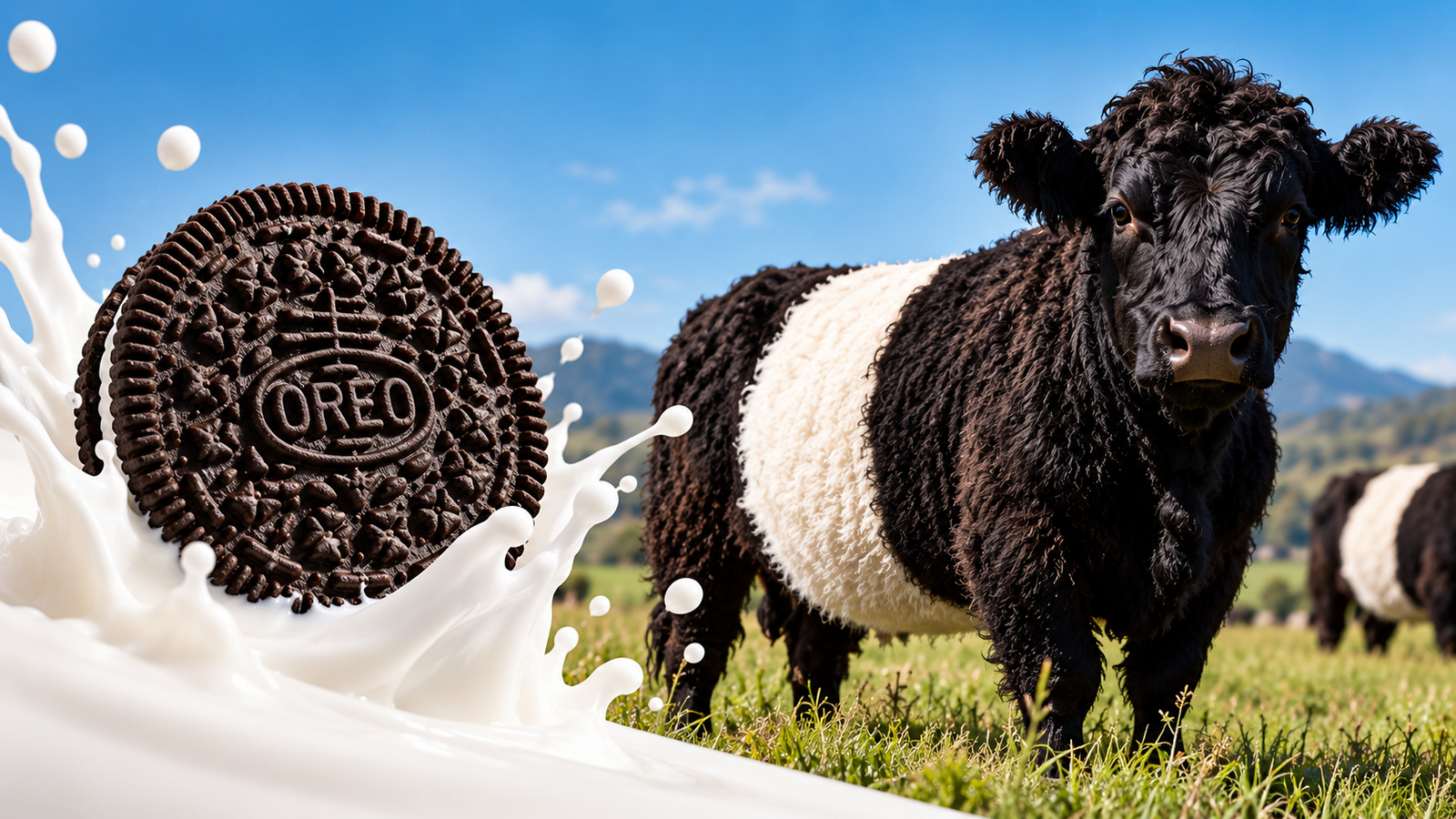
Oreo’s 2026 Oreo Cows campaign turned a natural curiosity into a memorable brand activation. Discover how storytelling, distinctive packaging and retail partnerships helped revive the Mexican tradition of dunking Oreo cookies in milk.
What happens when nature creates something that looks remarkably like one of the world’s most recognisable cookies? For Oreo, it became the starting point for an inventive marketing campaign that turned an unusual discovery into a compelling brand story.
Launched in 2026, the Oreo Cows campaign was created by VML Mexico City and VML New York for Mondelēz International. Its objective was to revive chopeo, the Mexican ritual of dunking Oreo cookies in milk. Rather than simply reminding consumers of this familiar combination, the brand found an unexpected way to spark curiosity.
The campaign combined naturally Oreo-like cows, documentary-style storytelling, influencer engagement, distinctive packaging and retail partnerships. More importantly, it showed how a seemingly small creative idea can link brand awareness to consumer behaviour and commercial objectives.
When Nature Becomes the Creative Idea
The campaign’s unlikely protagonists were Belted Galloway cattle, a breed recognised by a distinctive white band around an otherwise black body. Their natural markings resemble an Oreo cookie’s black-and-white appearance.
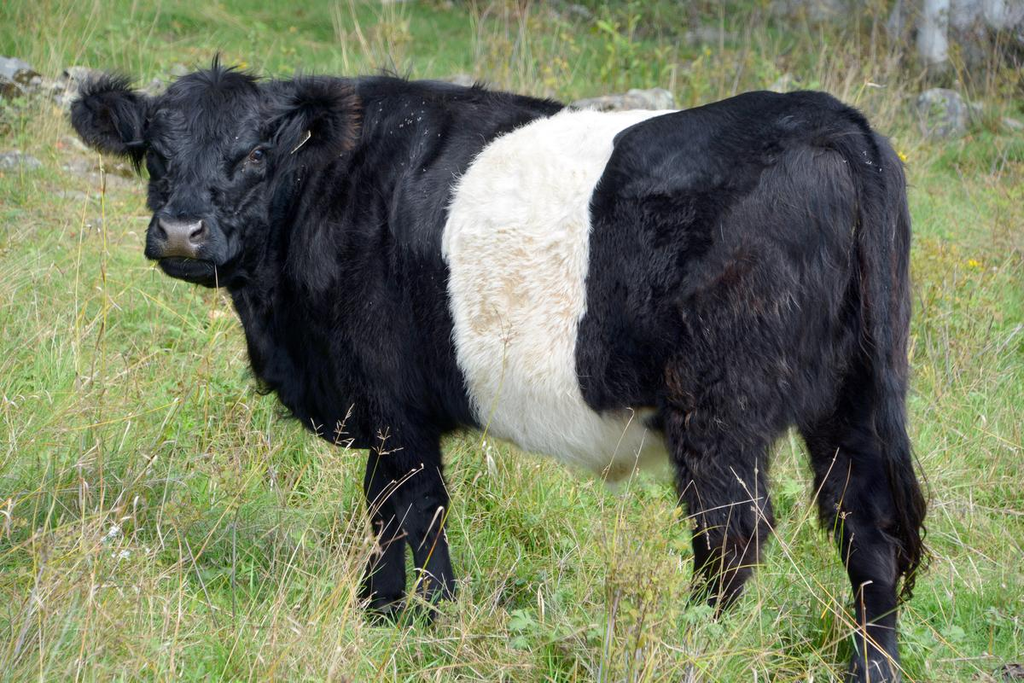
The resemblance was genuine. The cows were neither painted nor digitally altered to look like the product.
This gave Oreo an unusual creative opportunity. Instead of manufacturing a visual metaphor, the brand could build a story around something that already existed in the real world.
The campaign launched with a five-minute mockumentary-style film titled Cow, set in Valle de Bravo, Mexico. The story follows farmer Guadalupe Lopez, who defends his remarkably Oreo-like herd against neighbours who suspect that he has painted the animals.
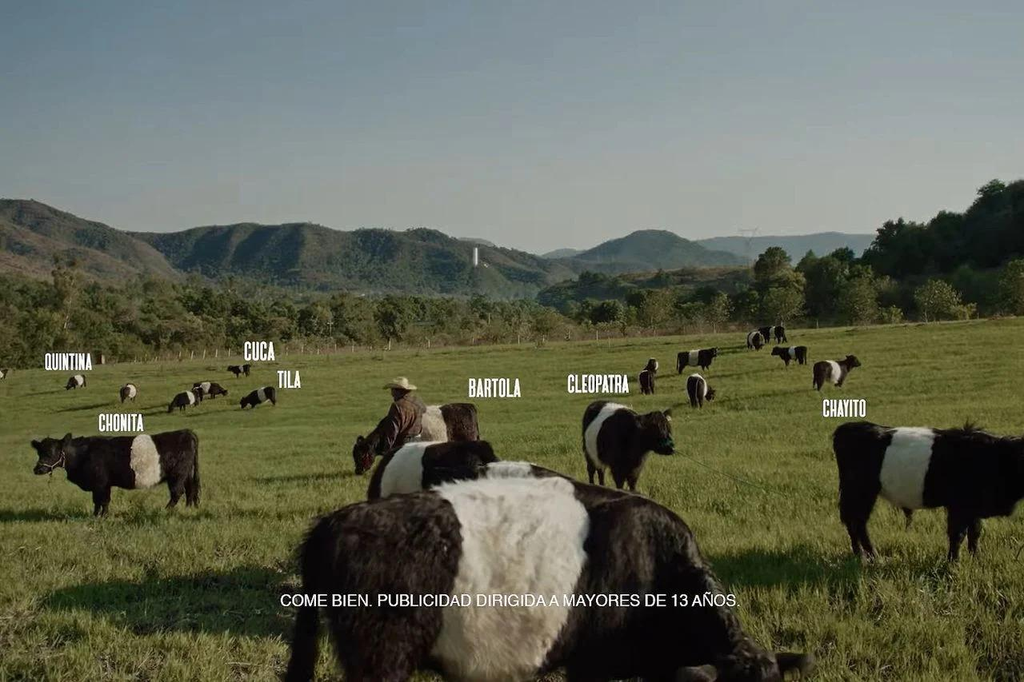
The premise creates a playful mystery. Why do these cows look so unusual? Could their markings really be natural?
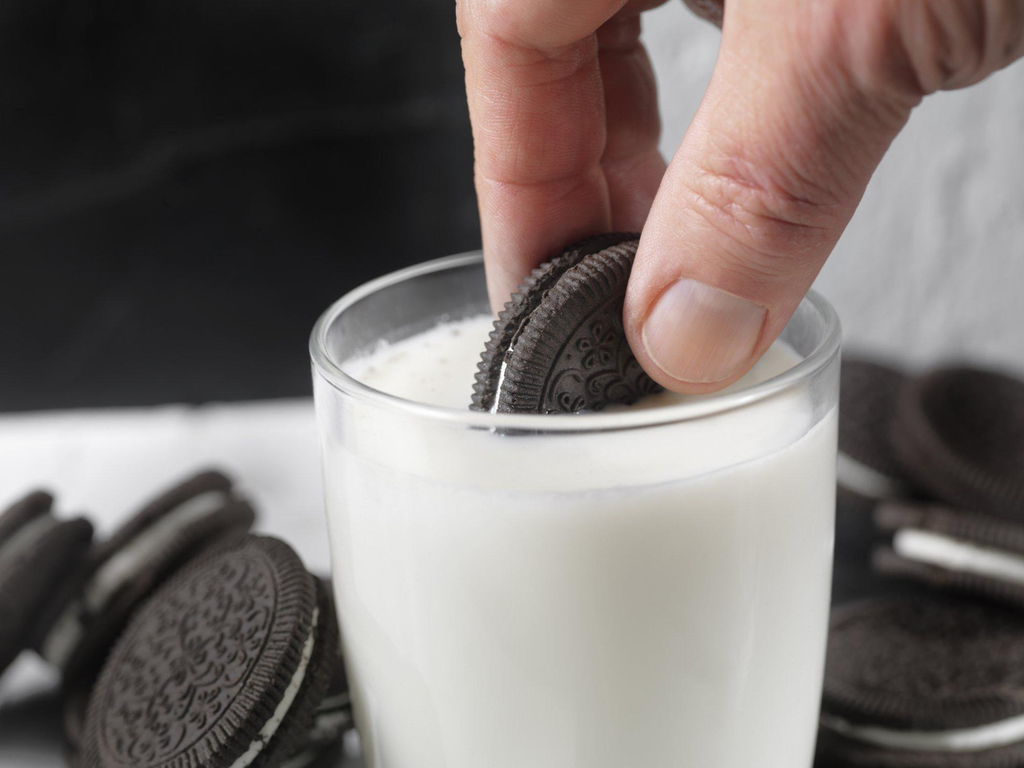
As the story unfolds, the audience returns to Oreo’s central message: cookies and milk belong together.
The campaign’s strength lies in the simplicity of this connection. The cows attract attention because they are surprising. Oreo benefits because the resemblance makes its product instantly relevant.
Selling a Ritual Without Making It Feel Like Advertising
Brands frequently use advertising to remind consumers about established consumption habits. They demonstrate how a product should be used, repeat its benefits and encourage people to buy it.
Oreo took a different approach.
Rather than directly instructing viewers to dunk cookies in milk, it offered something more entertaining: a herd of cows that looked like Oreo cookies.
This changes the nature of the communication. The audience encounters a curiosity before encountering the product message. The film becomes something people might watch and share for its own entertainment value.
The mockumentary format strengthens the idea by presenting the unusual herd as a mystery worth investigating. Humour makes the story memorable, while the familiar Oreo-and-milk pairing gives it commercial relevance.
This distinction matters in contemporary marketing. Instead of buying attention exclusively, a brand can create something that gives people a reason to pay attention voluntarily.
Oreo did not need to invent a new consumer ritual. It needed to make an existing one interesting again.
From Film to Packaging and Retail
The campaign extended beyond the film through activations designed to connect the story with actual product consumption.
1. Milk Bottles Inspired by Individual Cows
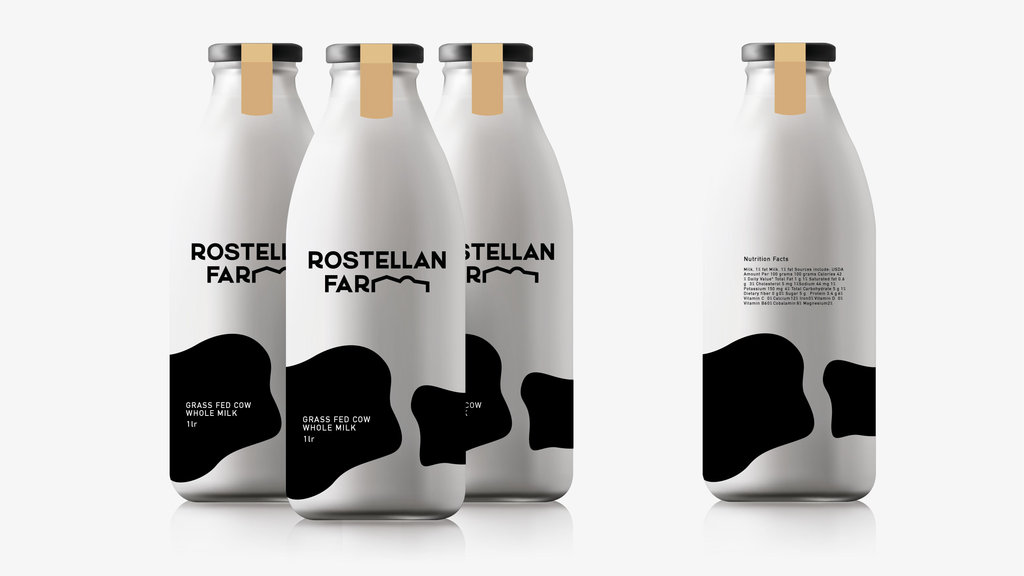
Oreo introduced limited-edition milk bottles whose designs reflected each cow’s distinctive markings. The company sent these to influencers and content creators, along with cow profiles and instructions for dunking Oreo cookies.
The packaging transformed the campaign’s central idea into a physical experience. The bottle was no longer simply a container for milk. It became an extension of the story, offering creators something distinctive to photograph, discuss and demonstrate.
It also connected the visual discovery with the intended consumption ritual.
2. A Retail Partnership with a Milk Brand
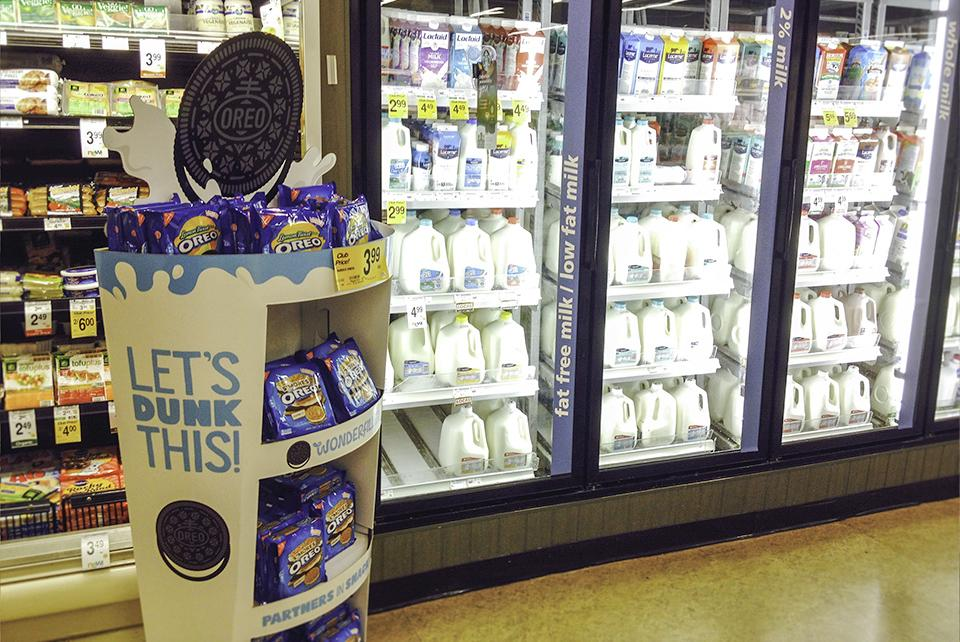
Oreo partnered with a leading Mexican milk brand to introduce a co-branded product available nationwide.
This was a significant strategic move. The campaign wasn’t just designed to generate views or make consumers smile. It aimed to strengthen the association between Oreo and milk at the point of purchase.
By connecting the two products through retail, Oreo moved the idea closer to conversion. The campaign encouraged consumers to think about the combination not just as an advertising message but as a purchase and consumption occasion.
3. Public Relations and Social Sharing
The unusual cows provided a natural public relations hook. A story about real animals that look like a famous cookie is inherently more intriguing than another conventional product advertisement.
Media outlets, influencers and consumers could share the discovery because it was surprising in its own right.
The different campaign elements reinforced one another. The film introduced the story, the bottles gave influencers a physical extension of it, and the retail partnership connected it to purchasing behaviour.
This integration helped the idea travel across channels without losing its central message.
The Business Impact
Reported campaign figures indicate that The Oreo Cows generated substantial attention alongside commercial gains.
- The campaign generated more than 960 million impressions, extending its reach.
- US$17.1 million in earned media value, reflecting the publicity generated.
- A reported 12% sales lift, suggesting a positive commercial outcome.
- A 0.3 percentage-point increase in market share, indicating a reported improvement in Oreo’s competitive position.
Campaign industry sources reported these figures, and they should not be interpreted as independently audited proof that the campaign alone caused the sales or market-share changes.
Nevertheless, they illustrate the campaign’s ambition: to convert a distinctive creative idea into measurable business value.
Its strategic strength lay in connecting entertainment, brand association, retail availability, and consumption behaviour. Rather than treating awareness as the final objective, Oreo used attention to reinforce a specific product pairing.
Who Created the Campaign?
VML Mexico City and VML New York developed the campaign for Oreo, part of Mondelēz International.
Manuel Bordé, Global Chief Creative Officer, Commerce, at VML, was among the key creative leaders behind the idea. Executive creative directors Jeremy Ruiz and James Phillips were also credited, along with a broader team of creative directors, copywriters, and art directors.
Landia, Mexico, handled production, with Agustín Carbonere directing the film. Spark Foundry supported media, while Burson contributed public relations and influencer support.
The collaboration translated a single creative premise into a campaign spanning film, packaging, media, creators, and retail.
Five Marketing Lessons from The Oreo Cows
1. Look for opportunities hiding in plain sight. Sometimes the most effective creative ideas emerge from recognising an unexpected connection that already exists.
2. Use curiosity as an entry point. An intriguing question can attract attention more naturally than a direct product message.
3. Make the idea work beyond advertising. Packaging, influencer engagement and retail partnerships extended the campaign into consumers’ everyday experiences.
4. Connect creativity to behaviour. Oreo focused on a specific consumption ritual rather than relying on an abstract brand message.
5. Measure more than attention. The commercial ambition was to strengthen the cookie-and-milk association and support sales, not simply generate online conversation.
The Bigger Lesson
The Oreo Cows campaign shows that creativity doesn’t always require inventing something entirely new. Sometimes it begins with seeing something familiar differently.
Oreo found an unusual visual connection in nature and used it to make an established consumption ritual interesting again. The cows created curiosity, the storytelling sustained attention, and the retail activation brought the idea closer to purchase.
The cow was the creative hook. The cookie-and-milk ritual was the strategy. The business opportunity lay in connecting the two.
For marketers, the lesson is clear: the best campaigns do more than make people notice a brand. They give people a compelling reason to remember it, talk about it and experience the product.


