Heinz Dipper: When Packaging Becomes Marketing
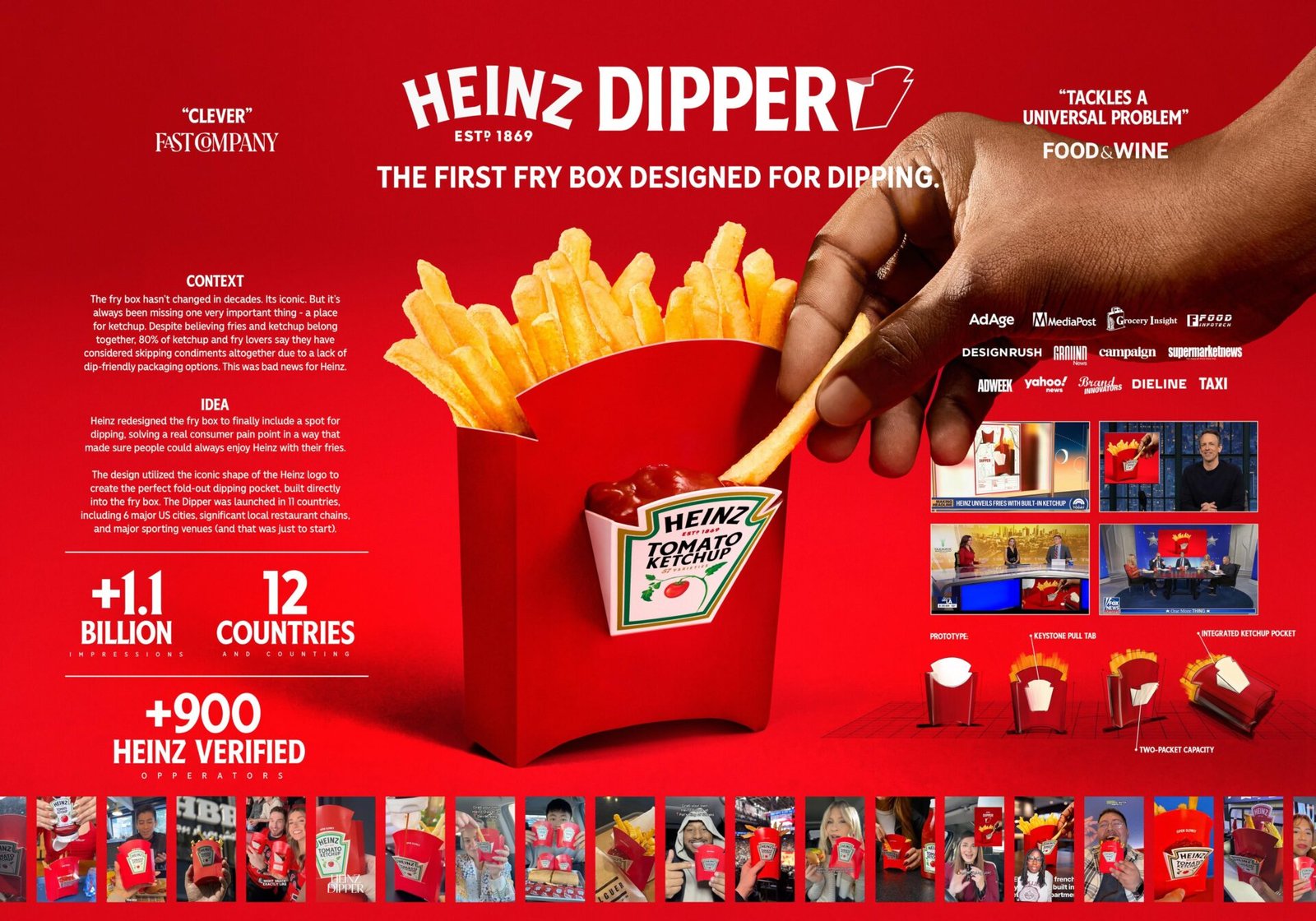
Heinz Dipper proves that great marketing does not always begin with an advertisement. By solving the everyday frustration of dipping fries on the go, Heinz transformed packaging into a consumer experience, a media channel and a potential driver of business growth.
Most marketing campaigns try to persuade consumers to buy a product. In 2026, Heinz took a different approach. It redesigned how people consume its product, turning a humble French-fry box into a packaging innovation – Dipper, a brand experience, and a marketing channel.
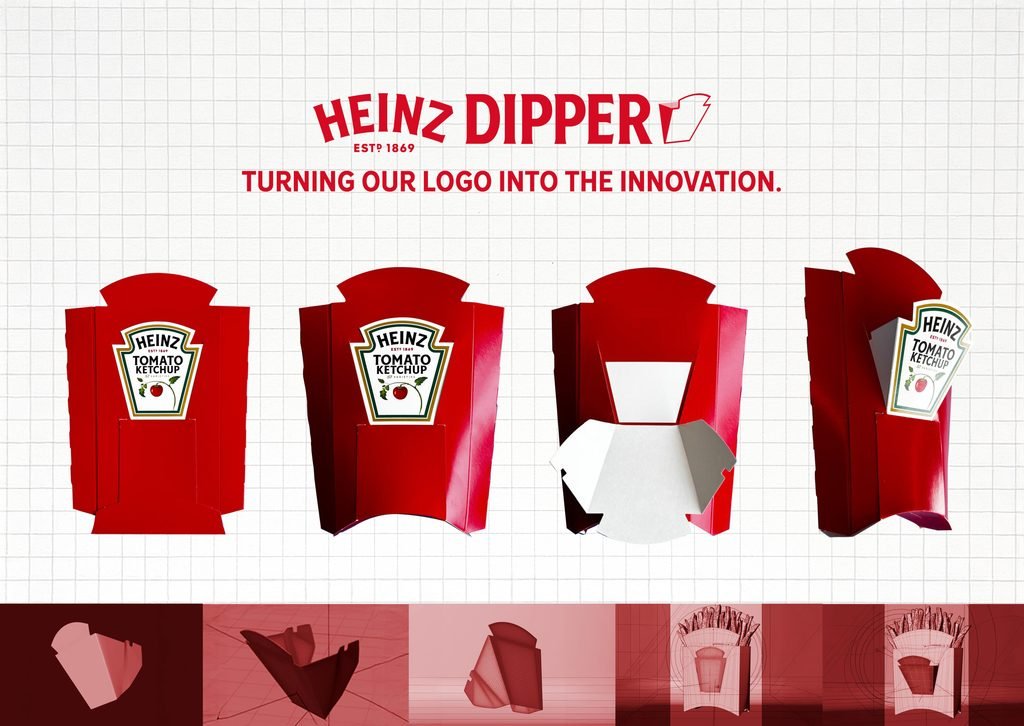
Kraft Heinz developed the Heinz Dipper in collaboration with creative agency Rethink and launched it globally on January 13, 2026. It features a fold-out cardboard compartment built into a French-fry box, letting consumers dip their fries in ketchup without juggling a separate sauce cup or packet.
It is a simple idea with a powerful strategic lesson: sometimes the most effective advertising isn’t what a brand says, but what it does.
1. Identifying an Everyday Frustration
Fries and ketchup are a familiar combination, but enjoying them on the go can be inconvenient. Whether walking through a stadium, sitting in the stands or eating while travelling, consumers often struggle with separate sauce packets and containers.
Heinz identified this friction through consumer research cited in the campaign. According to the reported findings, 70% of consumers spilt ketchup while eating fries on the go, and 80% considered skipping condiments altogether.
The insight was not that consumers needed convincing about ketchup. They already wanted it. The problem was that using it was inconvenient.
This distinction matters. Instead of asking how to sell more ketchup, Heinz asked what kept consumers from enjoying it when they wanted it.
The answer became the foundation for the Dipper.
2. Turning Packaging into Innovation
The Heinz Dipper transforms the fry box from a passive container into an active part of the eating experience. Its fold-out compartment holds ketchup, making dipping easier without requiring a separate vessel.
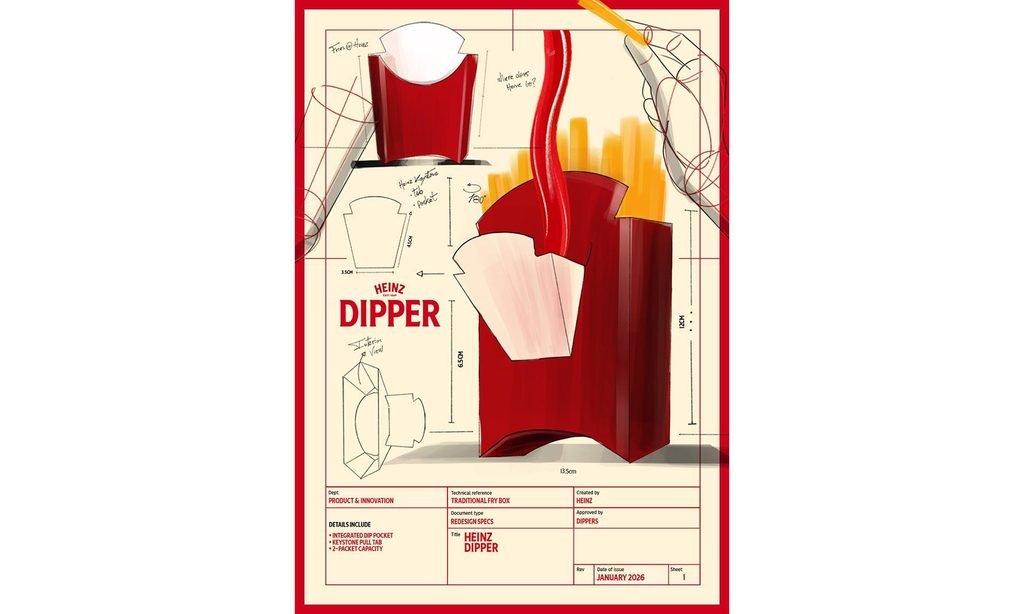
The design also draws inspiration from Heinz’s distinctive keystone logo. It builds on the earlier “Looks Familiar” campaign, which highlighted the visual resemblance between conventional fry boxes and the Heinz logo.
This connection gives the innovation a recognisable brand identity. The packaging is not simply functional; it reinforces the association between Heinz and fries.
According to The One Club’s campaign case study, the Dipper underwent 18 months of testing for structural strength, moisture resistance, condiment viscosity and leakage. Heinz also reported that the compartment could support the weight of two ketchup packets.
In markets where mayonnaise is preferred, including Spain, the compartment can accommodate mayonnaise instead.
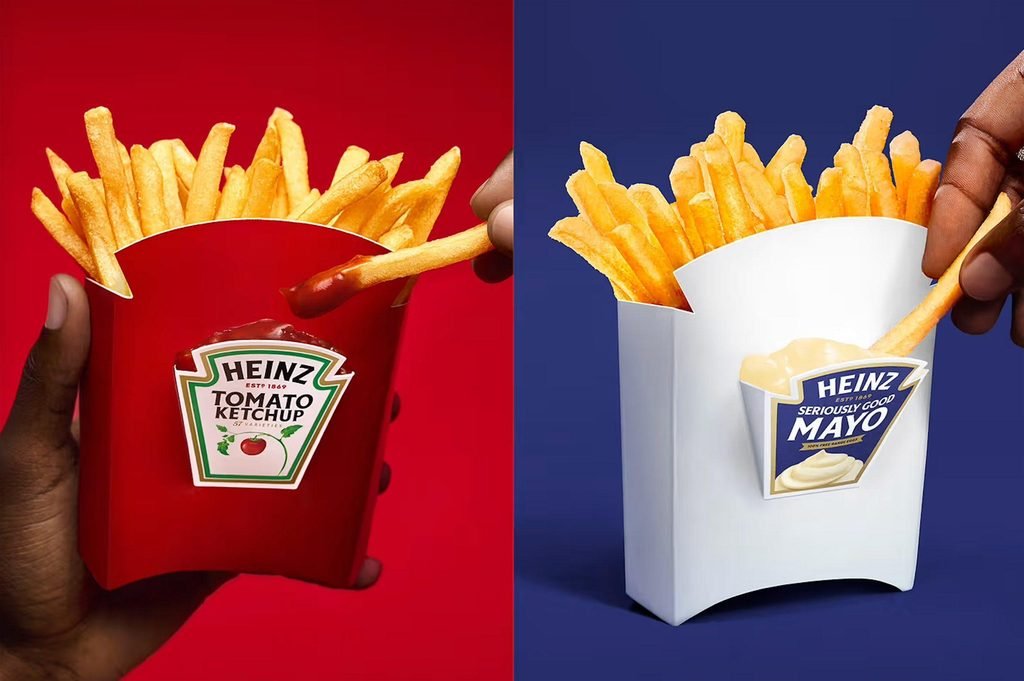
The innovation offers three benefits: greater consumer convenience, distinctive brand recognition, and a stronger connection between Heinz and the consumption experience.
3. Packaging as Brand Media
Traditionally, packaging protects a product, facilitates distribution and communicates brand identity. The Dipper adds another dimension: it demonstrates the brand promise through actual use.
The box travels through restaurants, stadiums and public spaces. Consumers see it when they eat, interact with friends, and share photographs on social media.
Unlike conventional advertising, it does not interrupt the consumer’s activity. It improves it.
This makes the Dipper an example of packaging as brand media. The product itself becomes a communication channel, reaching consumers at the precise moment when the brand is relevant.
Heinz amplified the idea through restaurant displays, stadium digital advertising, influencer content and short social videos. One online film parodied the launch of a new smartphone, presenting a cardboard box as though it were a major technological breakthrough.
The humour made the innovation newsworthy. An everyday packaging improvement became something people could talk about and share.
4. Selling More Than Ketchup
Heinz operates in a competitive category where consumers can choose from numerous brands, including cheaper alternatives. When products appear functionally similar, price can become a powerful basis for competition.
The Dipper reinforces a different proposition: fries and Heinz belong together.
Rather than merely claiming superior taste or quality, Heinz made its brand association tangible. The packaging creates an experience designed around the belief that fries deserve Heinz.
The broader lesson is that distinctive brand assets become more powerful when they serve a useful function rather than just appear in ads.
The Dipper takes the visual connection established by “Looks Familiar” and turns it into a functional design feature. The brand identity becomes part of how people use the product.
5. Turning Consumer Demand into Distribution
One of the campaign’s most interesting features was its connection between consumer engagement and business development.
The Dipper launched through participating restaurants and stadiums worldwide. In the United States, the rollout included six cities and partnerships with major NBA and NHL arenas.
Heinz also encouraged consumers to tag local fry shops on Instagram and TikTok and ask them to offer the Dipper. This transformed social engagement into a potential channel-expansion mechanism.
Consumers became advocates who could influence restaurants to participate.
The campaign supported Heinz Verified, a programme through which foodservice operators commit to serving authentic Heinz products in exchange for marketing support and branded merchandise.
The reported results included more than 900 new Heinz Verified operators following the launch. The One Club’s case study also reported over one billion earned media impressions in the first week, a 2,000% increase in watch time for 15-second social videos, a 2.04-percentage-point US market-share gain and a reported 22.8-point swing in dollar sales.
These are campaign-reported results, not proof that the Dipper alone caused the sales changes. Nevertheless, they illustrate how an innovation can generate attention while supporting channel relationships and commercial performance.
6. What Marketers Can Learn
Innovation does not always require a new product. Sometimes, redesigning an existing touchpoint creates more value than launching an entirely new offering. Heinz did not change the ketchup or the fries. It changed the experience connecting them.
Consumer friction can reveal growth opportunities. What do customers avoid, abandon or tolerate because an experience is unnecessarily difficult? Removing these obstacles can encourage greater product usage.
Brand identity should work harder. Heinz used the geometry of its keystone logo to inform the packaging design. This turns brand identity into functionality, rather than merely decoration.
Marketing can support distribution. By encouraging consumers to request the Dipper from local restaurants, Heinz connected social advocacy with foodservice partnerships. The campaign moved beyond awareness to influence where consumers could experience the product.
Measure commercial outcomes, not just visibility. Impressions and engagement matter, but operator acquisition, sales and market share provide additional evidence of business impact. Each metric measures a different stage of the marketing funnel.
7. Can the Advantage Last?
The Dipper’s long-term success depends on execution beyond its initial publicity.
Manufacturing costs must remain viable at scale, and restaurants must use the packaging without slowing service. Environmental performance also deserves scrutiny: cardboard packaging isn’t automatically more sustainable, especially when you consider coatings, food contamination, and local recycling infrastructure.
Competitors may develop alternative solutions, while consumer curiosity could fade after the initial launch. The real test is whether the Dipper becomes a regular part of the eating experience.
The Bigger Lesson
The Heinz Dipper shows how marketing can go beyond communication to shape the product experience itself.
Heinz did not invent fries and ketchup. It identified a small inconvenience that stood between consumer preference and actual consumption, then designed a solution around it.
That solution became a reason to talk about the brand, a reason for restaurants to engage with it and another opportunity to reinforce the association between Heinz and fries.
For business leaders, the lesson is clear: the next breakthrough may not come from inventing something entirely new. It may come from examining an existing customer experience closely enough to notice what everyone else has accepted as normal.
The Heinz Dipper is more than a better fry box. It shows how packaging can become an instrument of brand strategy.