Top Brand Value Driver: Love or Experience?
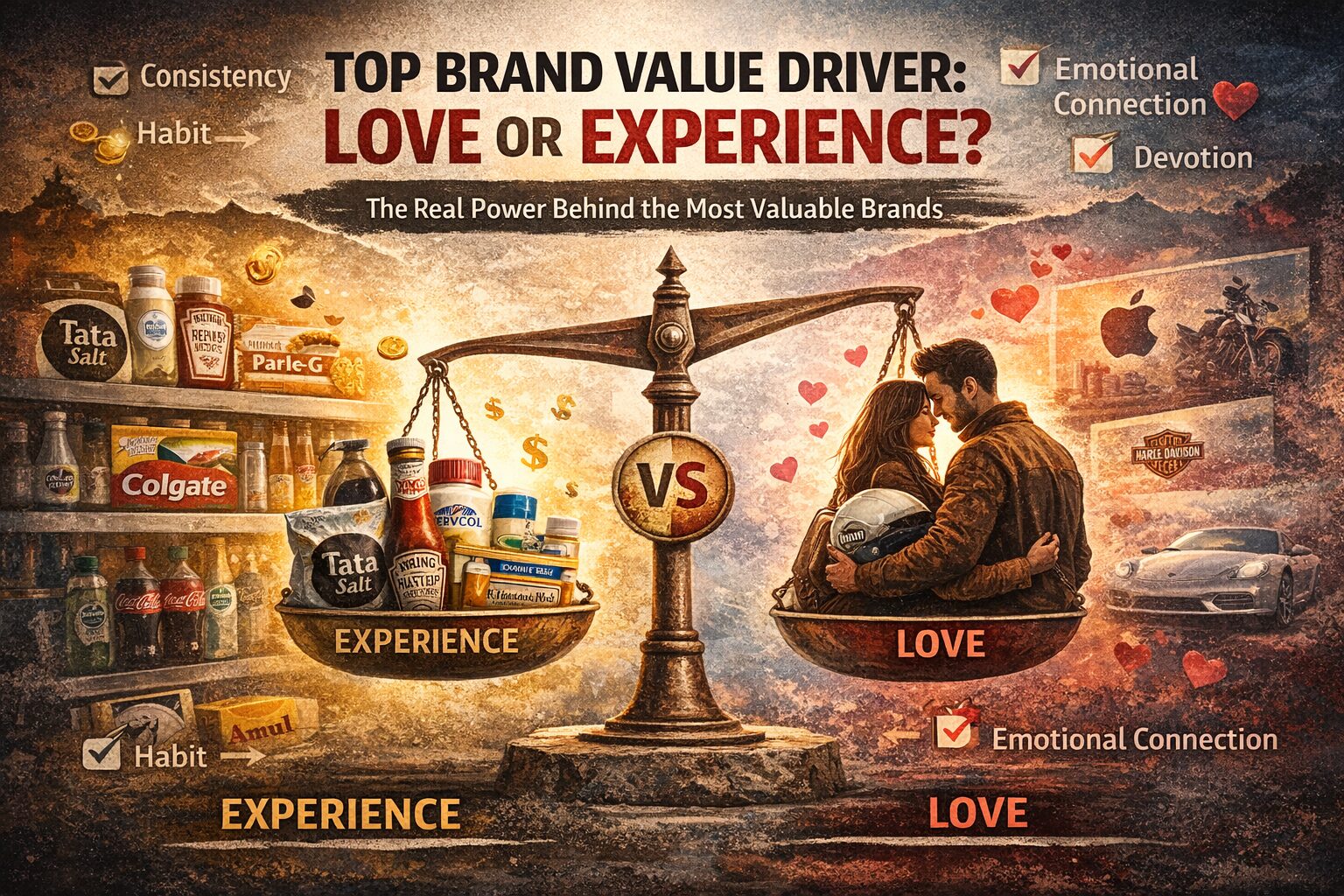
Do brands build value through love or consistent experience? Explore why habit-driven loyalty often outperforms emotional connection in everyday consumer categories.
The Question That Should Make Every Marketer Uncomfortable
Ask a marketer what builds brand value and the answer will almost always involve some variation of emotional connection – love, loyalty, affinity, devotion. The vocabulary of brand management has been deeply shaped by the idea that the most valuable brands are the ones people feel most strongly about.
But what if that assumption is largely wrong?
What if most brand value is built not through deep emotional bonds but through something far more ordinary – the quiet accumulation of unremarkable but consistently good experiences, repeated so many times that the brand becomes a habit rather than a passion?
The Lovemark Ideal – And Its Limits
What the Theory Says



Kevin Roberts popularised the concept of Lovemarks – brands that sit at the intersection of high love and high respect, that reach your heart as well as your mind, creating an intimate emotional connection that feels irreplaceable.
The aspiration is compelling. Brands like Apple, Harley-Davidson, and Nike are routinely cited as examples – objects of genuine consumer devotion that command premium pricing, forgive product failures, and inspire advocacy without being asked. In India, Royal Enfield occupies a similar space – a brand whose owners do not merely ride motorcycles but belong to a community, wear the identity, and evangelise with the kind of fervour that no marketing budget can manufacture.
Where It Gets Complicated
The Lovemark framework is real, but it describes a narrow category of brands in a world of thousands. A few honest questions worth sitting with:
- Is there genuinely a brand of toothpaste, cooking oil, or dishwashing liquid that you cannot live without?
- When you reach for Aashirvaad atta or Maggi noodles for the fifteenth consecutive time, is that love – or simply the absence of a reason to change?
- How many brands do you actively think about versus simply continue to buy?
The evidence from consumer behaviour research consistently suggests that most people think about most brands very rarely and care about them even less. The emotional intensity that brand managers project onto their categories is often a professional occupational hazard – a tendency to assume that consumers share the marketer’s fascination with the product.
Most of the time, they do not.
The Case for Experience Over Love
Habitual Loyalty – The Underrated Engine
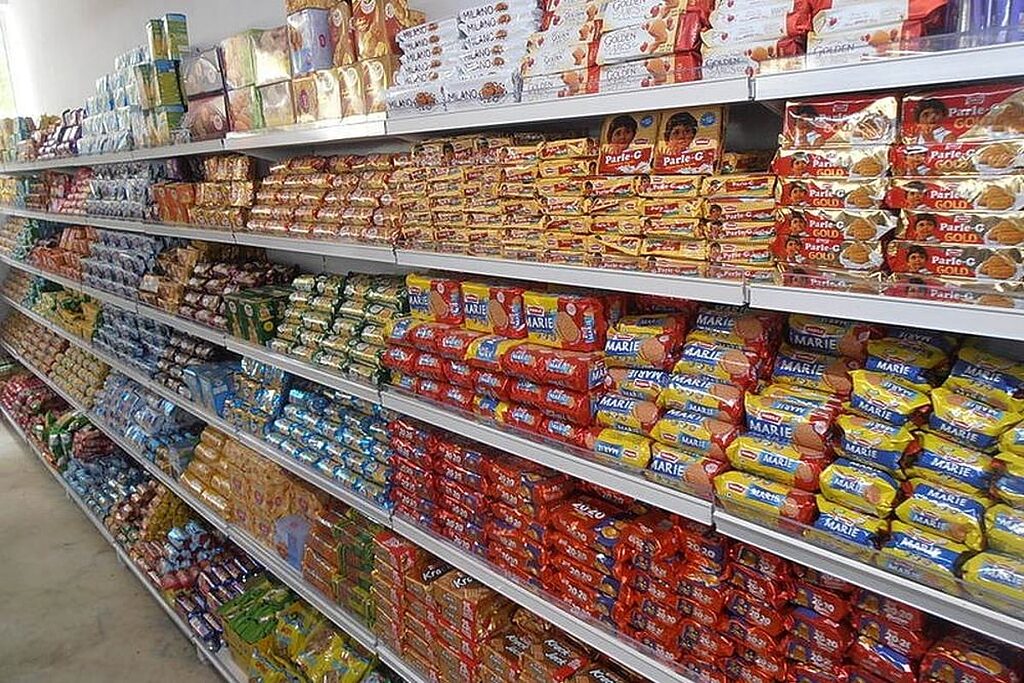
There is a form of brand loyalty that receives far less attention than it deserves because it is not glamorous and does not generate compelling brand strategy presentations. It is habitual loyalty – the loyalty of the consumer who has bought the same brand repeatedly, not because they love it, but because:
- It has never let them down
- Choosing it requires no cognitive effort
- The alternative requires thinking, which costs more than the potential gain
- Over time, it has become the path of least resistance
Consider Parle-G – the world’s largest-selling biscuit brand by volume. There is no passionate Parle-G community. Nobody tattoos the yellow wrapper on their arm. Yet hundreds of millions of Indians buy it week after week, year after year, with barely a conscious thought. The brand’s value is built entirely on the accumulated experience of reliable, consistent, affordable adequacy – and it is commercially almost unassailable as a result.
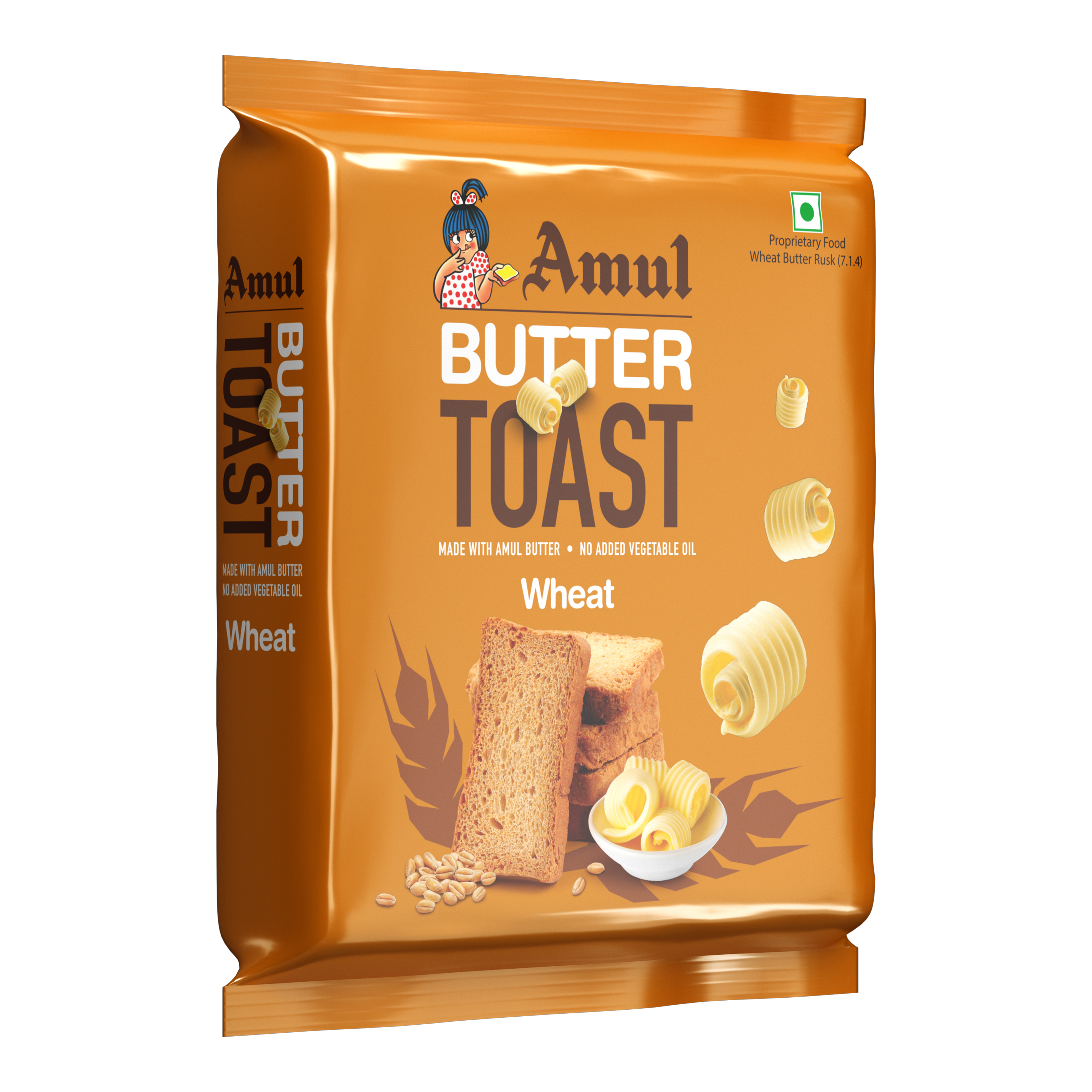
Similarly, Colgate in India commands market share that would be the envy of most premium brands – not because consumers love it, but because it has been in their bathrooms since childhood, delivered without fail, and requires no decision. Amul butter on the breakfast table operates on the same principle. So does Coca-Cola at the restaurant, Fevicol in the hardware store, and HDFC Bank for millions of middle-class account holders who have never once considered switching.
This is not a lesser form of loyalty. In many categories – FMCG, impulse purchases, everyday services – it is the dominant form, and arguably the most commercially valuable. A consumer who buys your brand on autopilot is harder to dislodge than one who actively chose you, because active choice implies active re-evaluation.
The IDEO Insight – Wearing In, Not Wearing Out

Bill Moggridge, co-founder of design firm IDEO, articulated something important about how relationships with objects and brands develop over time:
- He spoke of preferring the concept of wearing in rather than wearing out – creating something where the emotional relationship becomes more satisfying the longer it continues
- He noted that people “don’t have to have a strong love relationship with their things, but they should grow sort of a little more fond of them perhaps over time”
This captures the trajectory of habitual brand loyalty precisely. It does not begin with love. It begins with adequacy – the brand does what it is supposed to do – and it deepens, almost imperceptibly, through repetition.
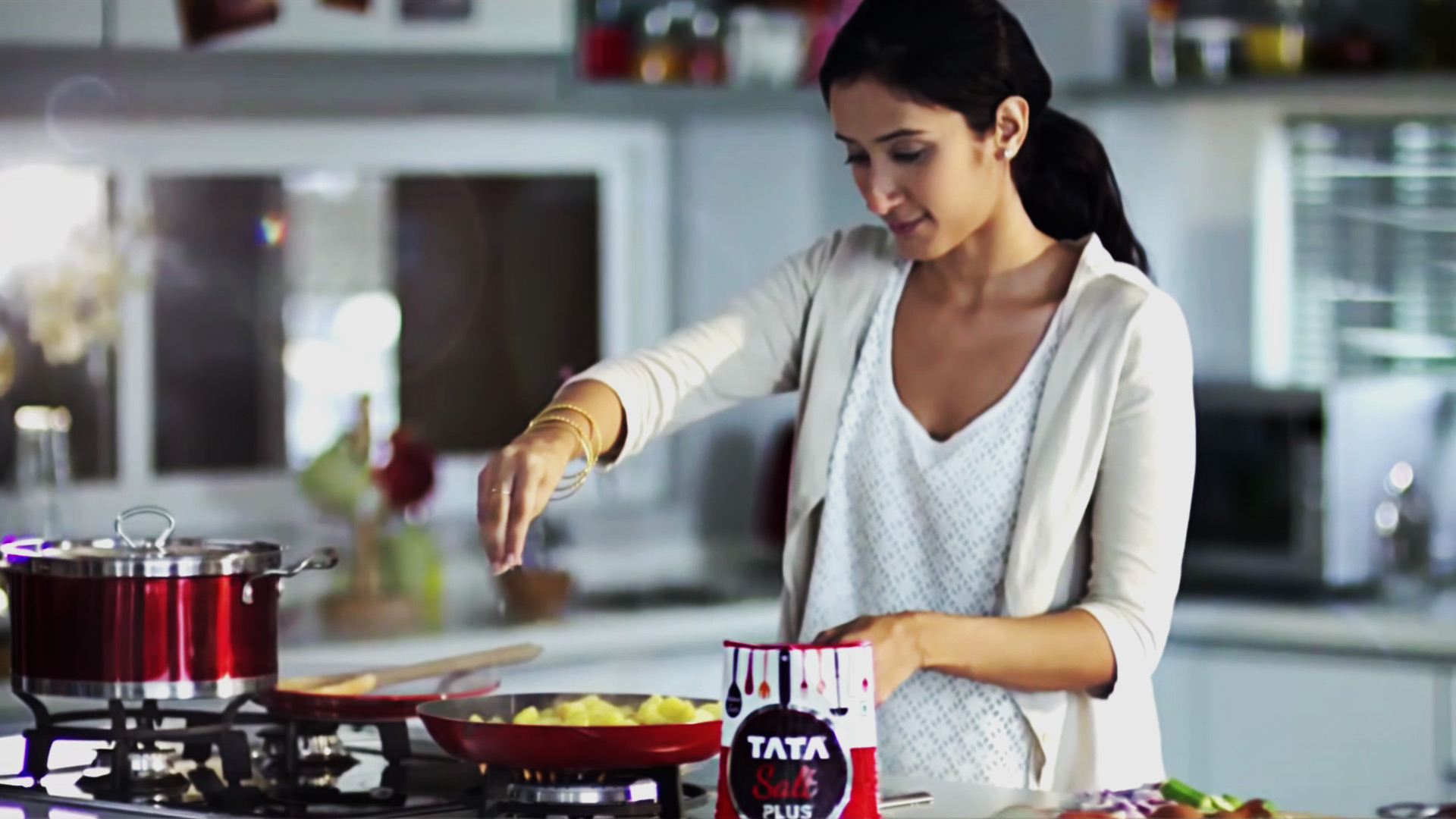
Think of Tata Salt. Launched in 1983 as India’s first iodised salt, it is not a brand anyone feels passionate about. But its tagline – Desh ka namak – built a quiet emotional layer over decades of reliable delivery. Consumers do not think about Tata Salt. They reach for it. That reaching is the brand.
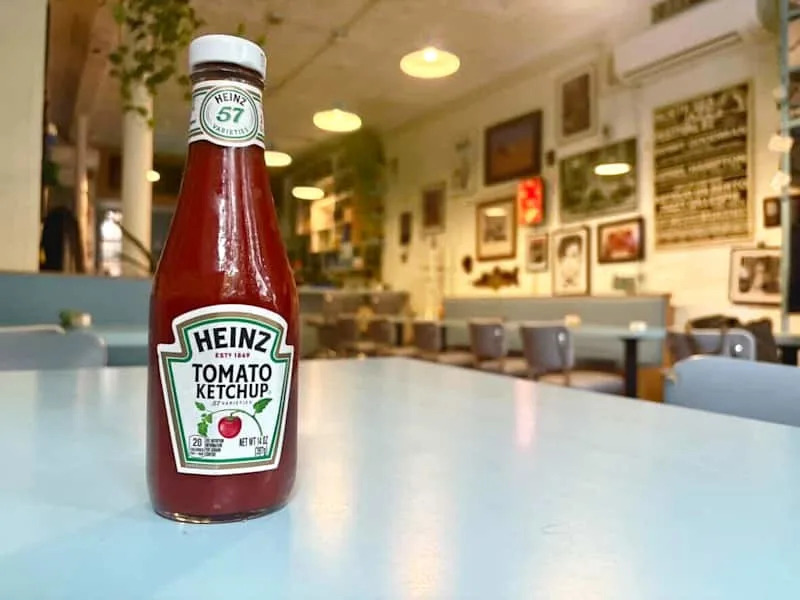
Globally, Heinz ketchup operates on identical logic. The bottle has barely changed in fifty years. The taste is utterly consistent. People do not love Heinz – they are simply deeply, unshakeably habituated to it, and disrupting that habit would require a competitor to offer something dramatically better across every dimension simultaneously.
Two Models of Brand Value Creation
| Dimension | Lovemark Model | Experience / Habit Model |
|---|---|---|
| Driver | Emotional intensity | Consistent delivery |
| Consumer mindset | Active engagement | Autopilot |
| Loyalty type | Attitudinal | Behavioral |
| Vulnerability | Higher – devotion can shatter | Lower – habits are resilient |
| Best suited to | Premium, aspirational, identity brands | FMCG, everyday services, impulse categories |
| Marketing fuel | Storytelling, aspiration, community | Availability, consistency, friction removal |
| Indian example | Royal Enfield, Tanishq, Paper Boat | Parle-G, Colgate, Aashirvaad, Fevicol |
| Global example | Apple, Harley-Davidson, Patagonia | Heinz, Colgate, Gillette, Tide |
The important point is that neither model is universally correct. The mistake is applying the Lovemark framework to categories where it simply does not fit the reality of consumer psychology.
Why Ordinary Brands May Be More Valuable Than They Appear
The Advantage of Flying Under the Radar
There is a genuine strategic benefit to brands that operate below the threshold of conscious attention. When consumers are not actively thinking about a brand, they are not actively evaluating it either. They are not comparing it to alternatives, scrutinising its pricing, or weighing it against competitor claims.
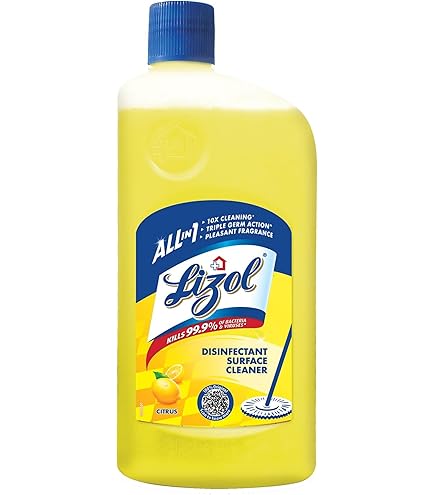
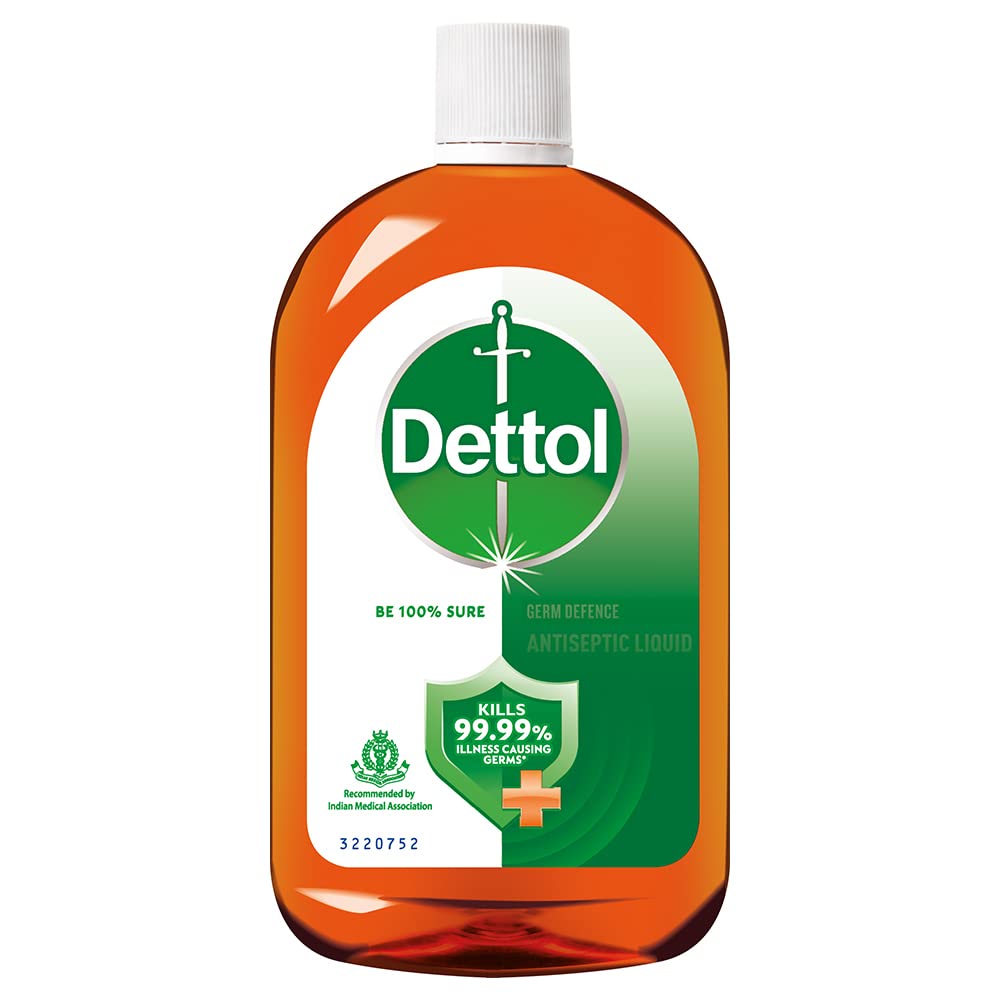
Lizol in Indian households is a perfect example. Most consumers could not tell you what distinguishes it chemically from any other floor cleaner. They buy it because it is familiar, smells clean, and requires zero mental energy. Dettol operates similarly – its medicinal smell has become so synonymous with protection that the sensory cue alone triggers purchase, bypassing rational evaluation entirely.
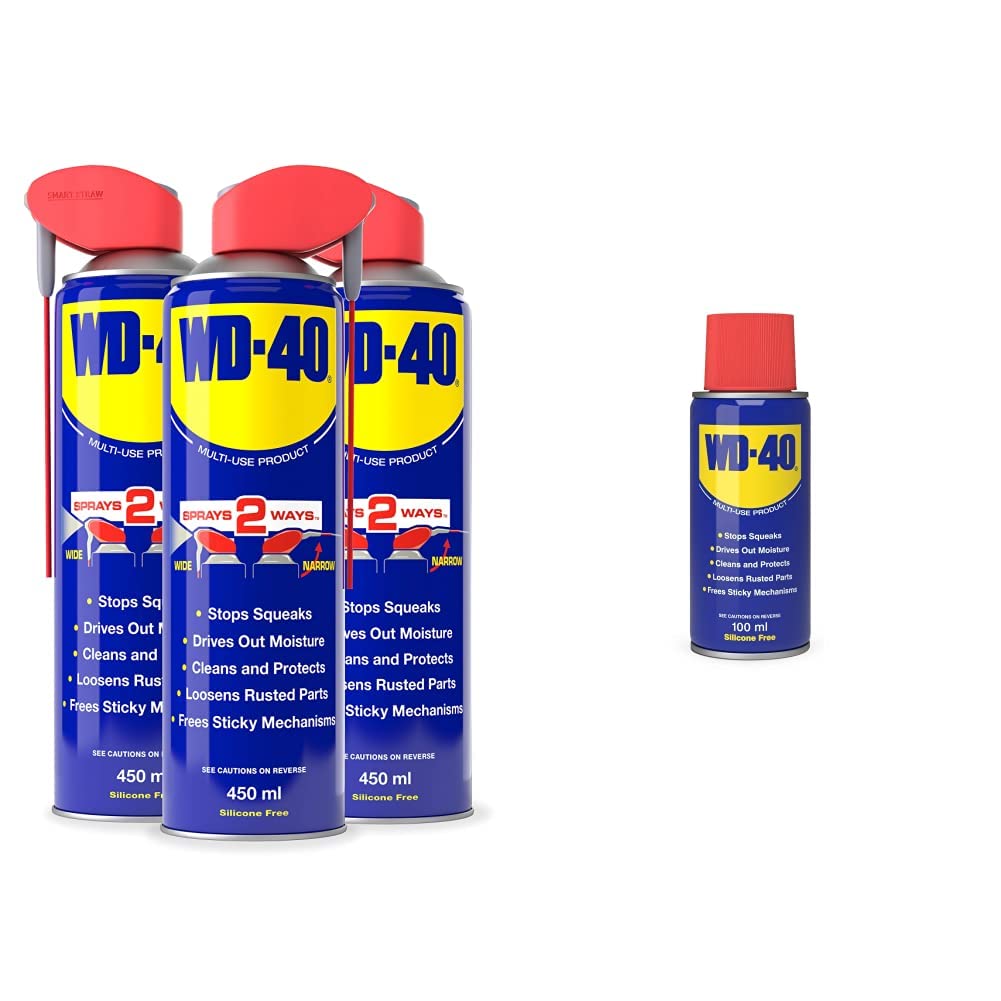
Globally, WD-40 is perhaps the purest expression of this phenomenon. Nobody loves WD-40. But it sits in virtually every garage in the developed world, bought again and again by people who have never once considered an alternative, because the can is always there when the squeaking starts.
Brands that trigger instinctive, positive reactions through contextual cues – shelf position, packaging familiarity, brand colour, sensory association – stimulate purchasing behaviour without ever requiring a deliberate decision. They operate in the domain of fast, automatic, effortless thinking. This is not a weak position. In many categories, it is extremely strong.
Consistency as the Core Competitive Asset

What builds this kind of brand equity?
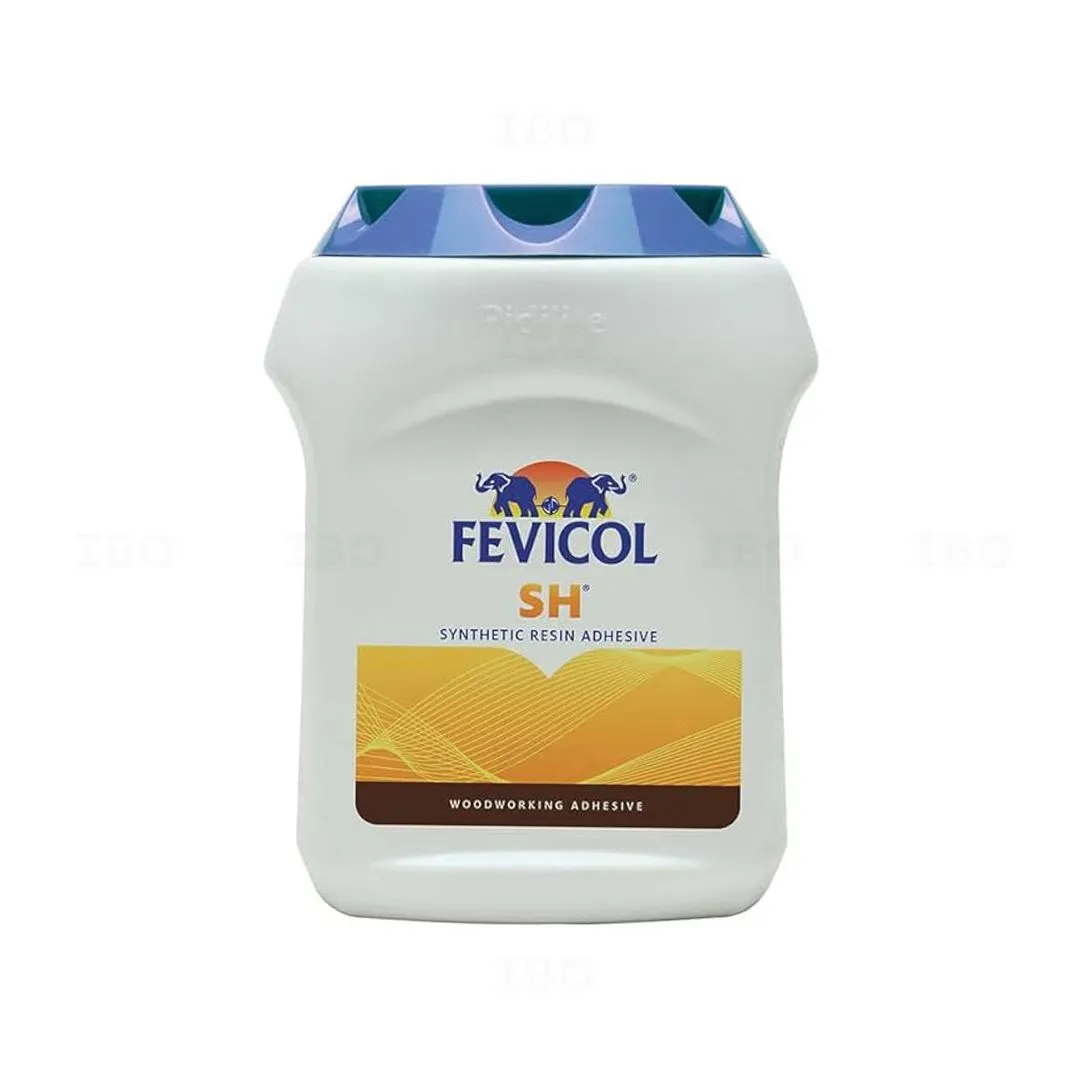
- Reliability – the product does what it is expected to do, every time (Fevicol’s bond that never breaks – both literally and in the brand’s cultural reputation)
- Sensory consistency – the taste, feel, smell, or sound is recognisable and familiar (Maggi’s distinctive noodle texture; Coca-Cola’s carbonation level)
- Availability – the brand is present at the moment of purchase without effort (Parle-G is available at every kirana store in India; McDonald’s is accessible from nearly every highway globally)
- Low friction – buying it again is always slightly easier than trying something new (Amazon Prime’s one-click repeat purchase; Swiggy’s saved favourites)
- No negative surprises – the brand never gives the consumer a reason to stop and reconsider (Tata as a corporate brand – trusted across sectors precisely because it rarely disappoints)
None of these is emotionally exciting. But accumulated over hundreds of purchase occasions, they build something that is commercially very difficult to displace.
Where Love Still Matters
The Categories Where Emotional Connection Is Real

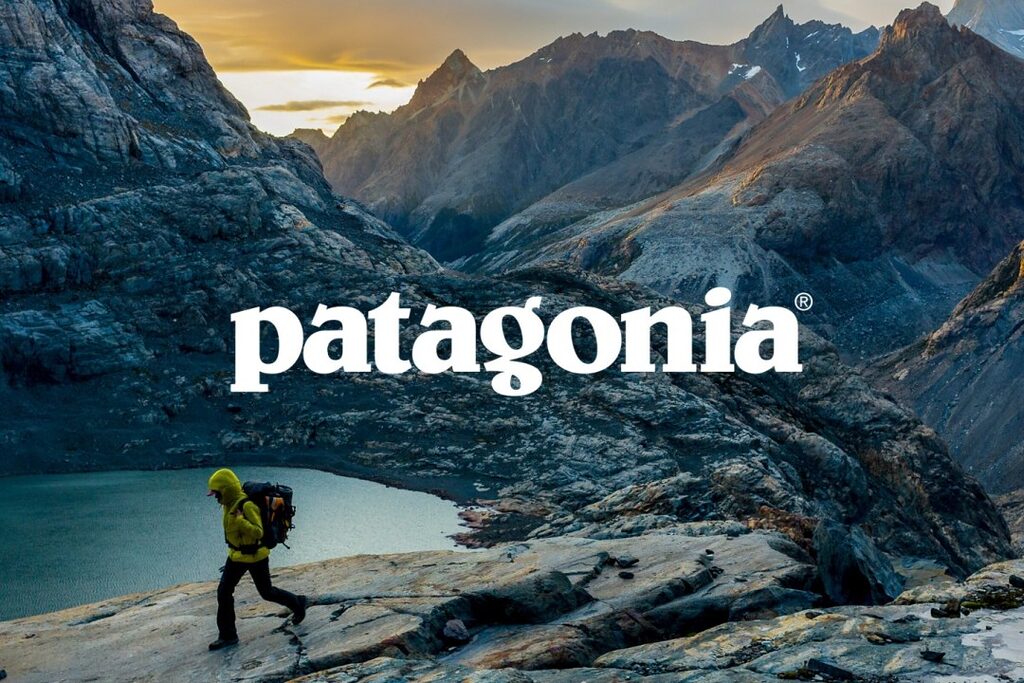
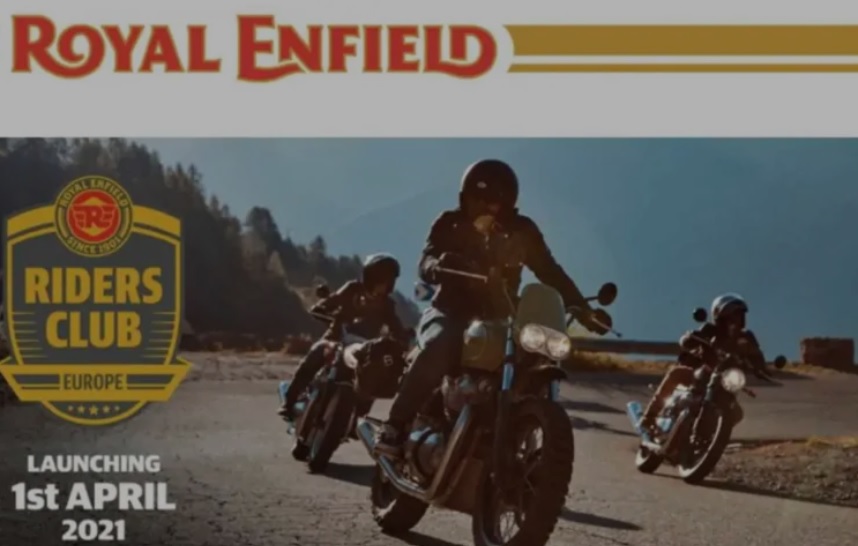
To argue against the universal application of the Lovemark model is not to argue that emotional connection is irrelevant. In specific contexts, love is the dominant driver of brand value:
- Identity brands – brands consumers wear or display publicly, communicating who they are
- Global: Apple, Supreme, Porsche
- Indian: Royal Enfield, Fabindia, Forest Essentials
- Aspirational purchases – high-involvement decisions requiring significant time, money, and emotional investment
- Global: Rolex, Mercedes-Benz
- Indian: Tanishq jewellery, Titan watches, a Taj hotel stay
- Community brands – brands that connect people to a tribe or shared belief system
- Global: Harley-Davidson, Patagonia, certain football clubs
- Indian: Royal Enfield again; IPL team merchandise; CrossFit-affiliated brands
- Nostalgia brands – brands carrying deep emotional memory
- Indian: Campa Cola’s recent relaunch tapped pure nostalgia; Rasna, Limca, Gold Spot for older generations
- Global: Kodak, Pan Am (as a cultural reference), vintage Levi’s
Paper Boat – Love Built Deliberately Through Experience
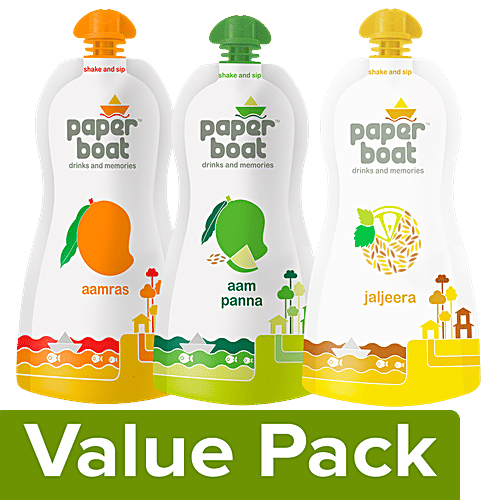
Paper Boat is one of the most instructive Indian brand-building stories of the last decade precisely because it fused both models. It entered a commodity category – packaged traditional drinks – and built a genuine emotional connection through sensory experience (authentic flavours of aam panna, jal jeera, kokum) wrapped in a nostalgic, warm narrative voice. The experience was a love story. Consumers did not fall for the marketing first; they fell for the drink, and the marketing gave that feeling a name and a narrative.
This is the ideal intersection: an experience so consistently good and so distinctively itself that it earns genuine affection over time.
What This Means for Brand Builders
Practical Implications
Stop over-indexing on emotional storytelling for utility categories. A beautiful advertising campaign cannot substitute for a product that consistently delivers. Surf Excel’s Daag acche hain campaign was emotionally powerful – but it worked because the product actually removed the stains. The emotion amplified the experience; it did not replace it.
Invest in the experience, not just the communication. The brand is built every time someone uses it – not just when they see an advertisement. Zomato’s brand is built as much through its delivery reliability and its app’s interaction design as through its witty social media presence. IndiGo’s brand reputation for punctuality is the experience. The advertising merely reminds people of what they already know.
Reduce friction relentlessly. Habitual loyalty is disrupted most easily when buying the brand becomes harder than buying something else. PhonePe and GPay in India built massive habitual loyalty largely by making UPI payments marginally more intuitive than the alternatives – a tiny experience advantage, compounded across billions of transactions. Amazon’s Subscribe & Save feature is a pure friction-removal machine, and it has built commercial loyalty that no competitor has effectively dislodged.
Respect the power of the ordinary. A brand that is unremarkable but never disappointing is an extraordinary commercial asset. Lijjat Papad has been the same product, made the same way, tasting the same, for over sixty years. It does not aspire to be loved. It aspires to be perfect at exactly what it is. That aspiration, pursued without deviation, has produced one of India’s most enduring consumer brands.
The Bottom Line
Love and experience are not opposites – they exist on a spectrum, and the best brands earn both. Tanishq earns love through beautifully crafted emotional advertising and earns loyalty through consistently excellent product quality and a trusted retail experience. Apple inspires devotion through product design and earns habitual repurchase through an ecosystem that makes leaving expensive and inconvenient.
But the marketing industry’s infatuation with emotional connection has created a systematic tendency to undervalue the quiet, consistent, experience-driven loyalty that underpins the commercial performance of the vast majority of the world’s most valuable brands.
The brands that thrive over decades are rarely the ones consumers talk about most passionately. They are often the ones consumers stopped thinking about years ago – because the brand has become so reliably, consistently, frictionlessly good that there is simply nothing left to think about.
Parle-G. Fevicol. Heinz. Colgate. Dettol. WD-40.
Not a Lovemark among them. And yet, commercially, almost untouchable.
That is not a failure of love. In many categories, it is the highest form of brand success.
References
Roberts, K. (2004). Lovemarks: The Future Beyond Brands. PowerHouse Books. https://www.amazon.com/Lovemarks-Future-Beyond-Kevin-Roberts/dp/1576872874
Lovemarks Official Website – Saatchi & Saatchi https://www.lovemarks.com
Moggridge, B. – Referenced in Objectified (2009). Documentary directed by Gary Hustwit. https://www.hustwit.com/objectified
Ehrenberg, A., Uncles, M., & Goodhardt, G. (2004). “Understanding Brand Performance Measures: Using Dirichlet Benchmarks.” Journal of Business Research. https://www.sciencedirect.com/science/article/abs/pii/S0148296302004642
Sharp, B. (2010). How Brands Grow: What Marketers Don’t Know. Oxford University Press. https://www.amazon.com/How-Brands-Grow-What-Marketers/dp/0195573560
Kahneman, D. (2011). Thinking, Fast and Slow. Farrar, Straus and Giroux. https://www.amazon.com/Thinking-Fast-Slow-Daniel-Kahneman/dp/0374533555
Binet, L. & Field, P. (2013). The Long and the Short of It: Balancing Short and Long-Term Marketing Strategies. Institute of Practitioners in Advertising (IPA). https://ipa.co.uk/knowledge/publications-reports/the-long-and-the-short-of-it
Datta, H., Ailawadi, K.L., & Van Heerde, H.J. (2017). “How Well Does Consumer-Based Brand Equity Align with Sales-Based Brand Equity and Marketing-Mix Response?” Journal of Marketing. https://journals.sagepub.com/doi/10.1509/jm.15.0340
Ritson, M. (2020). “Byron Sharp and the Science of Brand Building.” Marketing Week. https://www.marketingweek.com/mark-ritson-byron-sharp
Aaker, D.A. (1991). Managing Brand Equity: Capitalizing on the Value of a Brand Name. Free Press. https://www.simonandschuster.com/books/Managing-Brand-Equity/David-A-Aaker/9781439188385
Keller, K.L. (2013). Strategic Brand Management: Building, Measuring, and Managing Brand Equity. Pearson. https://www.pearson.com/en-us/subject-catalog/p/strategic-brand-management/P200000005845
Parle Products – Brand History https://www.parleproducts.com/brand/parle-g
Fevicol – Pidilite Industries Brand Story https://www.pidilite.com/brand/fevicol
Paper Boat – Hector Beverages Brand Story https://www.paperboatdrinks.com/our-story
Tanishq – Titan Company Brand Information https://www.tanishq.co.in/about-us
Royal Enfield – Brand Heritage https://www.royalenfield.com/in/en/the-royal-enfield-story
Tata Salt – Tata Consumer Products https://www.tataconsumer.com/brands/foods/tata-salt
Amul – Brand Overview https://www.amul.com/m/about-us
Interbrand Best Global Brands Report (2023) https://interbrand.com/best-global-brands/
Kantar BrandZ Most Valuable Indian Brands (2023) https://www.kantar.com/campaigns/brandz/india
Harvard Business Review – “Why Strong Brands Matter” Collection https://hbr.org/topic/subject/branding