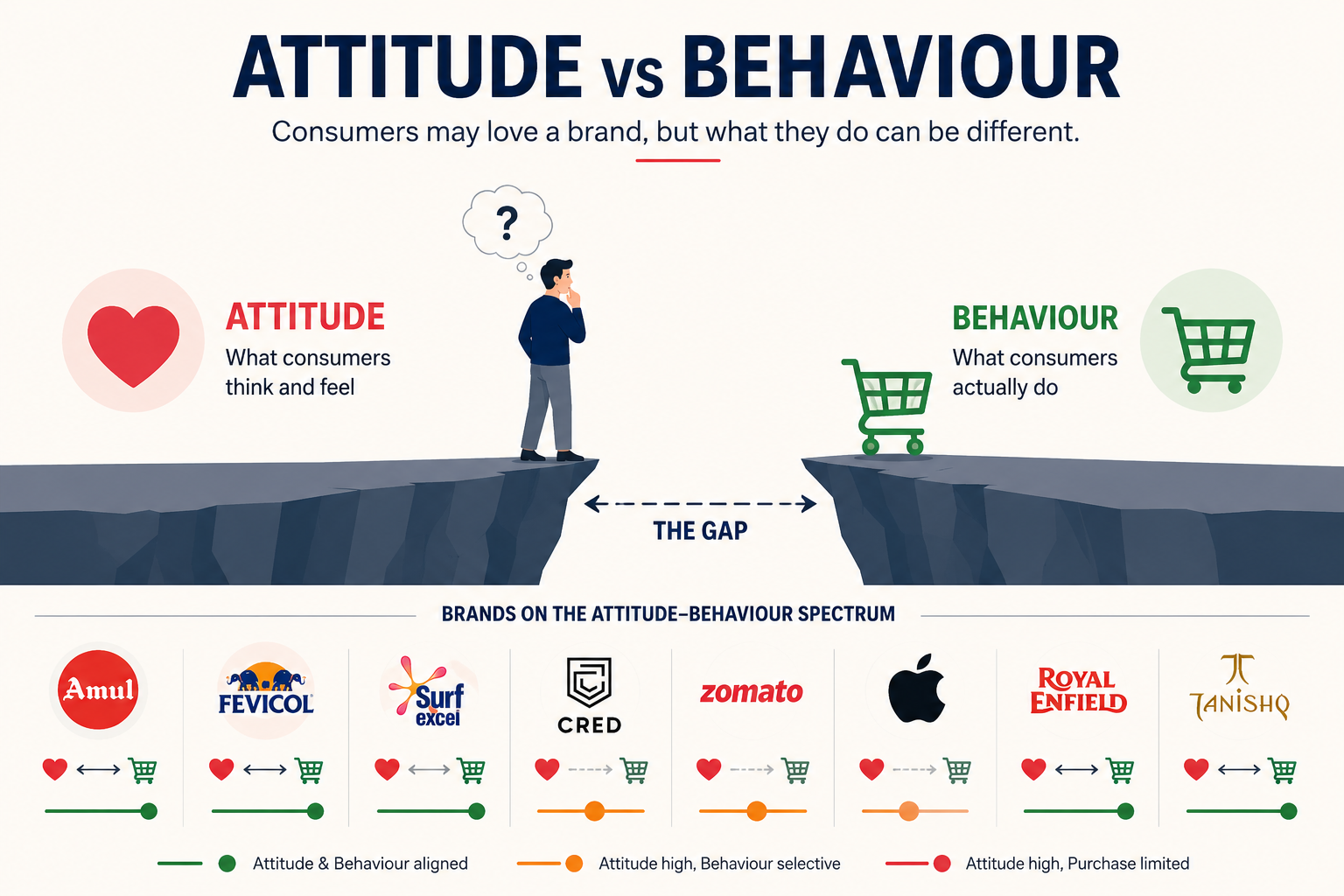
There is a question that every brand manager should occasionally ask: If customers love our brand so much, why aren't they willing to pay more for it? The relationship between bra…
Consumer decision-making is not always driven by the desire for better products. Increasingly, consumers want simpler choices, greater clarity and confidence that they are making …
For decades, marketers have competed for attention. The formula was relatively straightforward: get noticed, build awareness, communicate a proposition and convert attention i…
Some products have a marketing problem that cannot be solved simply by better advertising. They may be innovative, useful, sustainable and commercially viable, yet consumers hesit…
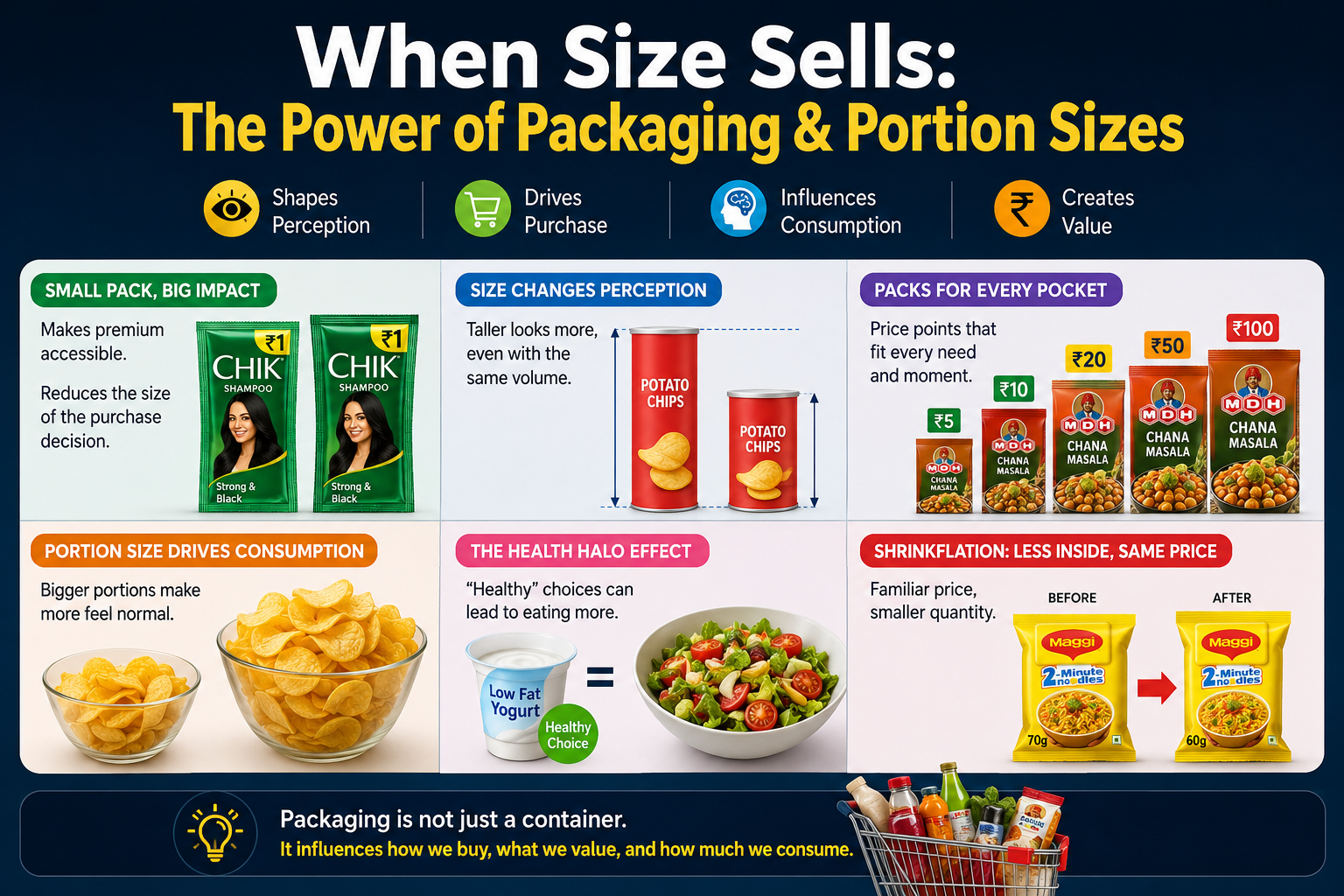
Packaging is not just a container. It can change how much we buy, how much we consume, and what we believe we are getting for our money.
We often think of packagi…
The Curious Gap Between Attitude and Behaviour
A fascinating contradiction lies at the heart of marketing. Consumers can say they love a brand and still buy something else. The…
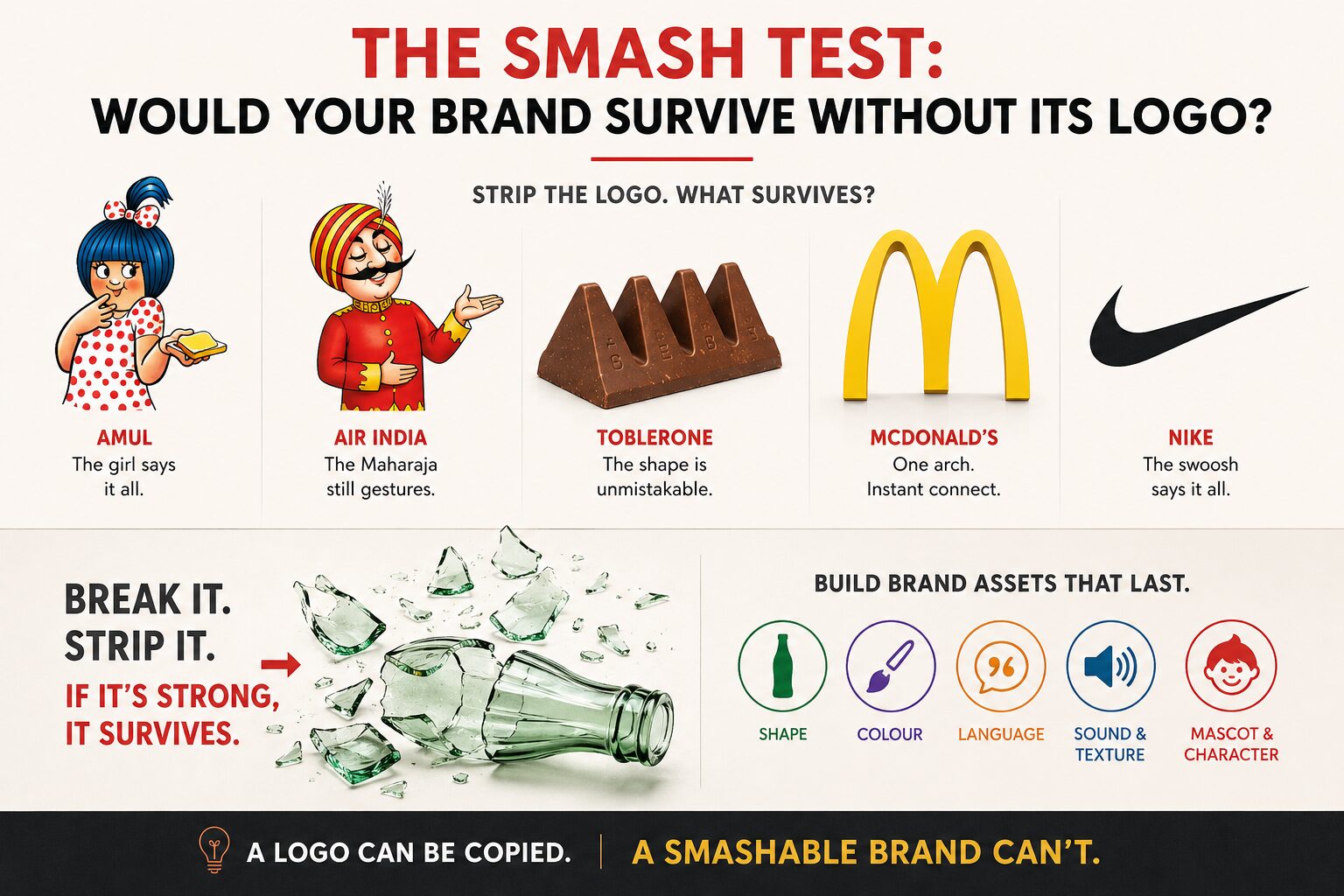
In 1915, Root Glass Company designed a Coca-Cola bottle meant to be recognised in the dark and identifiable even in shards. The brief was unusual: make a shape that survives break…
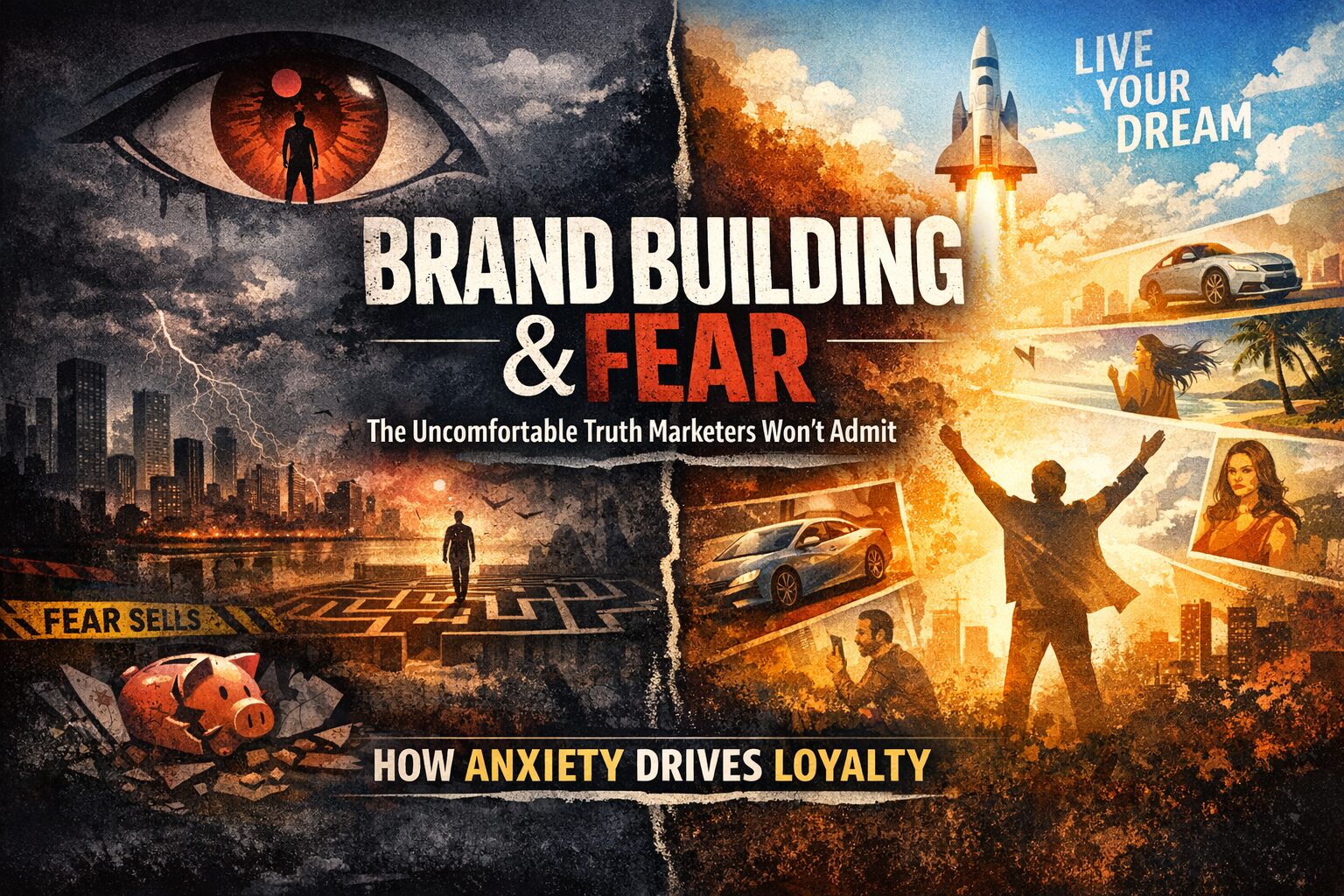
Fear is the world's oldest salesman. Long before there were brands, there was the survival instinct - and the two have never cleanly separated.
What began as a primal biologica…
Some brands win not because their products outperform everyone else, but because their story does.
You’ve seen this play out in real life.
A quirky, borderline pointless pro…
In today's fiercely competitive Direct-to-Consumer (DTC) landscape, simply having a superior product doesn't guarantee success. Some brands with average offerings consistently sel…
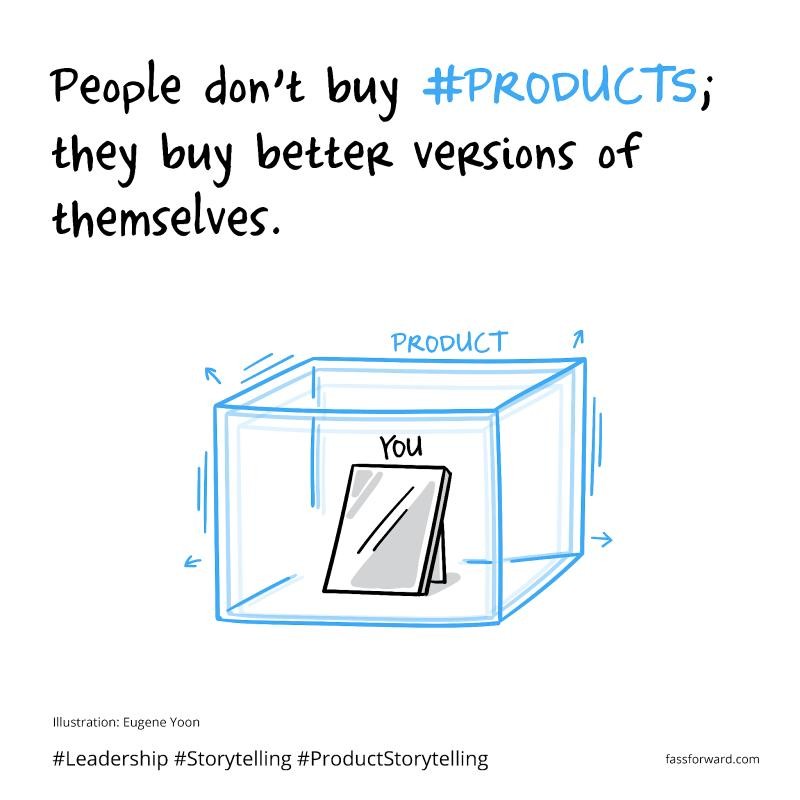
When we walk into a store, open an app, or click "add to cart," we're not just buying a product. We're buying a version of ourselves we want to become. A better, more confident, h…
Commitment and consistency bias is a psychological tendency that makes people stick to their earlier decisions, beliefs and actions to maintain a sense of consistency. From contin…
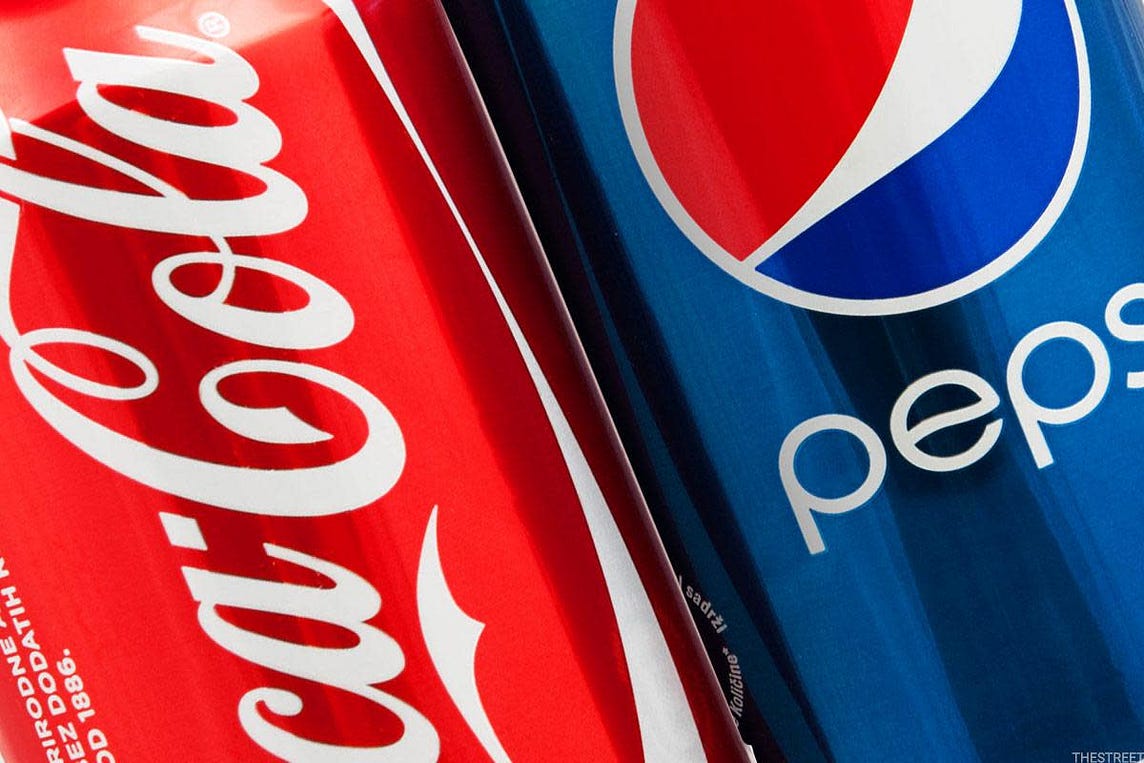
The Pepsi Paradox is a fascinating example of how branding influences consumer behaviour. It reveals an intriguing contradiction
Pepsi's market share gradually grew over C…
Overshopping is a behaviour driven by more than the desire to own things. From emotional gratification and fear of missing out (FOMO) to social pressure and impulse buying, severa…