Novel Proteins Are Coming to Pet Food. But Will Indian Pet Parents Pay for Them?
Novel proteins could transform pet nutrition in India. But will Indian pet parents pay a premium for alternative proteins, and what will drive adoption?
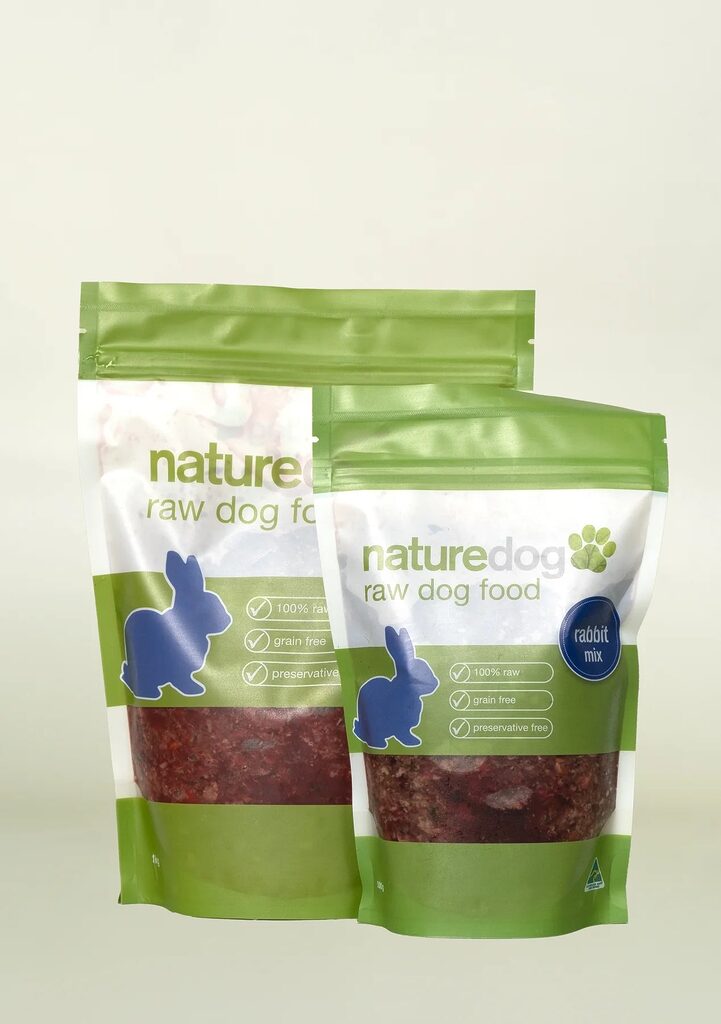


The next big shift in pet nutrition may not be about adding more chicken, lamb or fish to the bowl. It could be about changing what we mean by “protein” altogether.
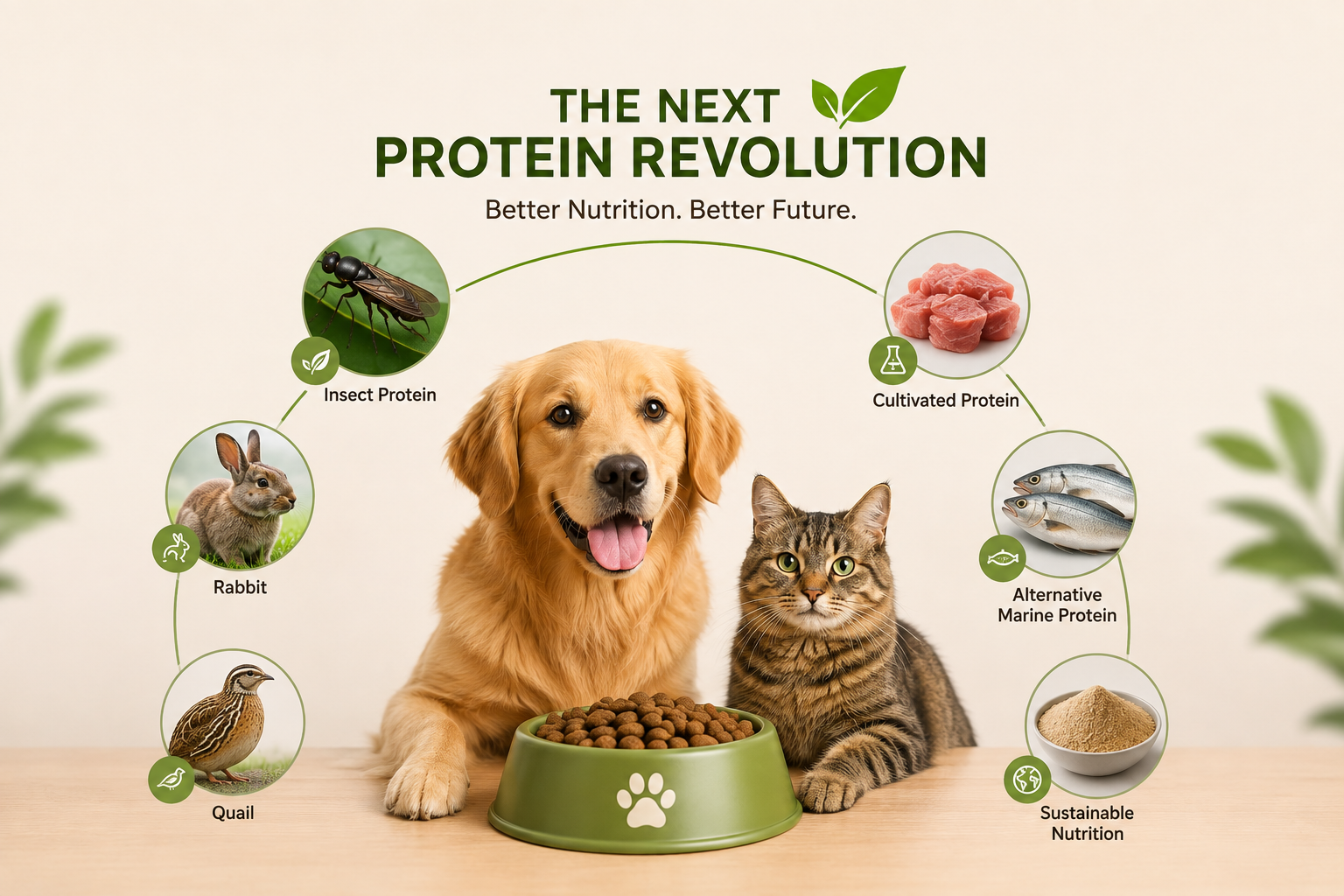
Around the world, pet food companies are experimenting with novel proteins, from insects and rabbit to quail, bison, cultivated meat, and proteins derived from species not traditionally associated with commercial pet food. New consumer research suggests that pet parents are more open to these alternatives than the industry might assume. About 70% of dog parents surveyed said they would be willing to try at least one novel protein for their pets.
But the more interesting question for India is not simply whether pet parents will try novel proteins.
What will they actually pay for?
India may prove to be a particularly interesting market because its pet food journey is at a very different stage from that of mature Western markets. The country is moving rapidly from home-prepared diets towards packaged, scientifically formulated nutrition, while premiumisation, functional ingredients and pet humanisation are simultaneously changing expectations.
That creates an opportunity for novel proteins, but it also creates a very Indian set of challenges.
Novel Does Not Automatically Mean Desirable
The international research offers an important insight: consumers are not equally enthusiastic about every alternative protein.
For dog food, bison, rabbit and elk emerged as the proteins consumers were most willing to consider. Among cat owners, rabbit, bison and quail were more attractive. The common thread was familiarity. Consumers were more comfortable with proteins they already understood from human nutrition or that they could easily associate with animal health.
This is highly relevant for India.
A consumer who has never heard of black soldier fly larvae may find the idea of feeding it to a dog strange. The same consumer may be perfectly comfortable with fish, egg, duck, rabbit or even goat-based nutrition.
This suggests that the Indian novel-protein opportunity may not begin with the most futuristic ingredient.
It may begin with proteins that feel new to pet food but familiar to Indian consumers.
Rabbit, fish varieties, duck, quail and other alternative animal proteins could therefore have a lower psychological barrier than cultivated meat or insects.
The Familiarity Advantage
For Indian brands, this means introducing novelty gradually.
The opportunity could be to take a familiar protein and create a new nutritional proposition around it rather than immediately asking consumers to embrace something that sounds completely unfamiliar.
The strategic lesson is simple:
Novelty has to be translated into familiarity before it can become premium.
India Has an Unusual Protein Conversation
India brings another layer to the discussion.
Food choices are deeply influenced by household habits, cultural preferences and, for some families, vegetarian lifestyles. That does not mean Indian pets are necessarily being fed vegetarian diets. Dogs and cats have specific nutritional requirements and should not simply be given the same diet as their owners.
But the household context matters.
An Indian pet parent may be comfortable buying a premium supplement containing a highly processed functional ingredient while being uncomfortable bringing raw meat into a vegetarian household. This creates an interesting opening for alternative proteins that can deliver nutrition without creating the same sensory and cultural friction associated with conventional meat.
Insect Protein Enters the Conversation
Insect protein is one such example.
Indian companies are already working in this space. Bengaluru-based Loopworm has developed insect-derived protein concentrates, oils and hydrolysates for animal and pet nutrition, using silkworms and black soldier flies as part of its platform. The company has also built commercial-scale processing capability in India.
Other Indian insect-protein businesses are also moving beyond the laboratory. GreenGrahi, for example, has been developing black soldier fly-based proteins, functional oils, and hydrolysates for aquaculture, poultry, and pet applications, and raised significant capital in 2025 to scale its insect biotechnology platform.
So this is no longer simply a “future of food” conversation.
The infrastructure is beginning to emerge in India.
Indian Consumers May Not Buy Sustainability Alone
This is where pet food marketers need to be careful.
Novel proteins are frequently presented through the sustainability lens. Potential advantages include lower land use, potentially lower resource requirements, waste utilisation and reduced pressure on conventional animal protein systems.
These are important advantages.
But sustainability alone may not persuade an Indian pet parent to pay ₹1,500 or ₹2,000 more for a bag of food.
The consumer will probably ask much more basic questions:
- What will this do for my dog?
- Will it improve digestion?
- Will it help a dog with food sensitivities?
- Will the coat look better?
- Is the protein digestible?
- Does my dog like the taste?
- Is it complete and balanced?
- Has it been tested?
- Can my veterinarian recommend it?
- Why should I pay more for this than chicken-based food?
That is the real premiumisation challenge.
Benefits Before Sustainability
For brands, the hierarchy should therefore be clear:
- Pet health benefit
- Nutritional efficacy
- Palatability
- Trust and evidence
- Sustainability
Sustainability can strengthen the proposition, but it is unlikely to substitute for a meaningful nutritional benefit.
The Supplement Consumer Could Be the Early Adopter
One of the most useful findings from the international research is the connection between supplement usage and openness to novel proteins.
Among dog parents interested in insect protein, 63% fed supplements daily or weekly. The research suggests these consumers were more engaged with the components of pet health and nutrition and therefore more receptive to learning about unfamiliar ingredients.
That has a direct implication for India.
The first customer for novel-protein pet food may not be the average kibble buyer.
It could be the pet parent already buying:
- Probiotics
- Joint supplements
- Skin-and-coat products
- Omega-3 oils
- Digestive enzymes
- Functional treats
This consumer has already crossed an important psychological threshold: they believe individual ingredients can produce specific health outcomes.
A Potential Adoption Path
For brands, this creates a potential pathway:
Supplements → Functional nutrition → Alternative protein → Complete diet
Instead of trying to convince millions of pet parents that insects or another unfamiliar protein is desirable, brands can start with consumers already researching pet health.
The Format May Matter as Much as the Protein


Another finding from the research deserves attention.
Consumers interested in novel proteins were less likely to prefer traditional kibble and showed greater interest in wet foods, pâtés and homemade additions. The research suggested that this could indicate greater willingness to pay for sensory experiences and premium formats.
This could be particularly significant in India.
Dry food dominates the Indian market because it is convenient, relatively economical, easy to store and familiar. But the premium end of the market is becoming more experimental.
Fresh food, toppers, treats, broths, wet food and functional additions are gradually creating new consumption occasions.
Potential Entry Formats
A novel protein does not necessarily need to enter India as a ₹4,000 bag of dry food.
It could enter as:
- A functional topper
- A freeze-dried treat
- A high-protein training treat
- A wet-food recipe
- A sensitive-stomach formulation
- A protein-rich supplement
- A limited-edition trial pack
This reduces the risk of asking a pet parent to make a complete dietary switch.
It also lets the consumer and the pet experiment.
Insects May Have an India-Specific Advantage
There is an additional reason insect protein could eventually find an Indian niche.
It can separate the idea of “protein” from the visual and sensory associations of meat.
For some households, that could matter.
Indian brands are already attempting to make this proposition more accessible. Products based on black soldier fly larvae are being positioned around digestibility, sustainability and compatibility with modern Indian pet-parent lifestyles. Indian companies are now offering insect-based pet nutrition and ingredients, including products based on black soldier fly larvae and silkworm protein.
However, the marketing challenge is substantial.
“Feed your dog bugs” is unlikely to be a compelling proposition.
“Advanced protein nutrition for sensitive dogs” is a very different proposition.
The ingredient may be the same.
The consumer perception is not.
This is where branding and communication become critical.
Don’t Hide the Science. Translate It.


Novel proteins will require more education than conventional chicken or fish-based diets.
But education should not mean putting a chemistry textbook on the back of the pack.
Indian pet parents increasingly encounter terms such as probiotics, prebiotics, postbiotics, DHA, glucosamine, hydrolysed proteins and functional fibres. Awareness of these ingredients has grown because brands have progressively translated technical science into understandable consumer benefits.
Novel proteins will have to follow the same path.
From Ingredient to Benefit
Instead of saying:
“Contains black soldier fly larvae protein.”
the communication could explain:
“A highly digestible alternative protein designed for dogs with sensitive digestion.”
Instead of leading with:
“Insect-derived protein reduces environmental impact.”
the brand could lead with:
“Complete nutrition from a new generation of protein.”
The sustainability story then becomes a supporting reason to believe rather than the entire proposition.
Trust Will Determine Willingness to Pay

The Indian pet food market has another characteristic that cannot be ignored: price sensitivity.
India is premiumising, but it is not becoming uniformly premium.
Affluent consumers in Bengaluru, Mumbai, Delhi, Hyderabad, and other large cities are willing to spend heavily on pet wellness. At the same time, a very large part of the market remains value-conscious.
Novel proteins therefore cannot simply be priced at a premium because they are novel.
The premium has to be justified.
And that justification will increasingly come from evidence:
- Ingredient sourcing
- Amino-acid profile
- Digestibility data
- Palatability studies
- Safety testing
- Feeding trials
- Veterinary input
- Traceability
- Functional outcomes
For a category that asks consumers to overcome an instinctive “why would I feed this to my pet?” reaction, trust becomes more important than advertising.
India’s Opportunity May Be “Home-Grown Novel”


There is another interesting possibility.
The Indian pet food industry does not necessarily need to copy the Western novel-protein roadmap.
Instead, it could develop its own.
India has significant agricultural and aquaculture ecosystems, a large poultry and fish industry, diverse protein sources and an emerging biotechnology sector. Insect biotechnology is already being developed domestically, including black soldier fly applications in animal nutrition.
That creates an opportunity to build home-grown alternative proteins rather than simply importing global trends.
This could eventually mean protein ingredients designed around India’s supply chains, climate, economics and consumer preferences.
What Could Define an Indian Novel Protein?
The winning innovation may therefore not be the most exotic protein.
It may be the one that combines:
- Indian sourcing
- Nutritional efficacy
- Affordability
- Palatability
- Sustainability
That combination could be far more commercially powerful than novelty alone.
Regulation and Safety Cannot Be an Afterthought


Novel ingredients also bring a higher burden of substantiation.
India already has established standards relating to animal feeds and pet foods. BIS lists standards covering pet food for dogs and cats, while India’s regulatory framework also includes requirements around commercial feeds and relevant standards.
For brands entering unfamiliar protein categories, regulatory compliance, ingredient safety, manufacturing controls, labelling and substantiated claims will therefore be central to commercialisation.
This is particularly important for cultivated meat and emerging biotechnology-derived ingredients.
A novel ingredient cannot be treated simply as a marketing story.
It has to become a credible nutritional ingredient.
The Real Opportunity Is Not “Novel Protein”


The international research provides a useful warning for Indian pet-food companies.
Consumers are not buying novelty.
They are buying outcomes.
A novel protein may provide the technological foundation for a product, but the consumer proposition has to be something much more tangible:
- Better digestion
- A solution for food sensitivities
- High-quality amino acids
- Palatability
- Functional nutrition
- Sustainability without compromise
- A better nutritional experience for the pet
That is why the future of novel proteins in India may look very different from the headlines.
The first mass-market success is unlikely to be a product shouting “Eat insects!”
It is more likely to be a product saying:
“Here is a better way to nourish your pet.”
The protein innovation will sit underneath that promise.
What Indian Pet-Food Brands Should Do Next
For brands considering novel proteins, the strategic roadmap is relatively clear:
- Start with the problem, not the ingredient. Identify a meaningful nutritional or wellness need before choosing the alternative protein.
- Target the informed pet parent first. Supplement users, premium-food buyers and consumers actively researching pet health are likely to be easier early adopters.
- Make the unfamiliar familiar. Fish, rabbit, duck and quail may offer a lower psychological barrier than highly futuristic ingredients.
- Experiment with formats. Treats, toppers, wet foods and trial packs can create a lower-risk entry point than a complete diet.
- Build an evidence platform. Novel proteins need stronger substantiation because consumers will naturally question them.
- Use veterinarians and nutritionists as educators. Trust will be essential to overcoming consumer hesitation.
- Do not over-index on sustainability. Sustainability can open the conversation; measurable pet benefits can close the sale.
- Price for value, not novelty. A premium must be connected to a tangible benefit.
- Build Indian supply chains where possible. Domestic production could eventually improve cost, traceability and resilience.
- Invest in consumer education. Awareness today could create the same kind of category-building effect that helped probiotics and other functional ingredients become mainstream.
The Next Protein Revolution May Be Quieter Than Expected


Novel proteins will probably not replace chicken, fish or other conventional proteins overnight.
Nor should they.
The more likely scenario is a gradual expansion of the protein palette, with different proteins serving different nutritional, functional, economic and sustainability needs.
That is already how the pet food industry is evolving globally. And India is developing the market conditions that could make alternative proteins increasingly relevant: rising pet humanisation, premium nutrition, greater interest in functional health and a growing willingness to investigate what actually goes into a pet’s bowl.
The critical question, then, is not whether Indian pet parents will accept novel proteins.
Some already are.
The bigger question is whether brands can give them a compelling enough reason to pay for them.
In India’s next phase of pet nutrition, “novel” may get consumers to look. But science, efficacy, trust and value will determine whether they buy.