Before the Label, Before the Price: Why Sensory Science Is Now a Business Imperative
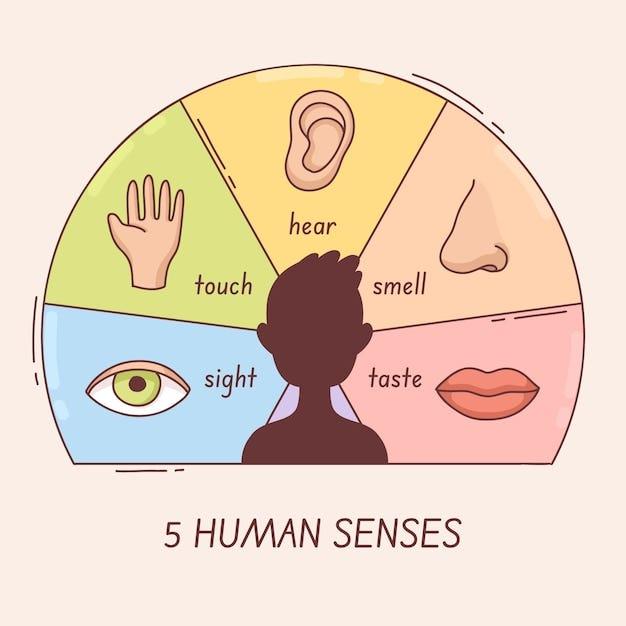
Before price or label, consumers decide through their senses. Sensory science drives product success, brand memory, and competitive advantage
There is a moment before a consumer reads the label, before they compare prices, before they even consciously decide they want something. That moment is entirely sensory. A sound, a smell, a texture, a colour signal. A decision gets made in that fraction of a second. And most brands have no systematic plan for it.
That is what sensory science addresses. It deconstructs the full sensory journey of a product into micro-moments, identifying which touchpoints matter to consumers and engineering the sensory delivery of the product, packaging, and communications to create something that stays in memory. This is not aesthetic work. It is not a packaging redesign. It is the discipline of understanding how the human nervous system responds to your product and using that understanding commercially.
The smartest FMCG companies globally have already moved in this direction. The question for Indian brands is whether they treat sensory science as a luxury reserved for multinationals or as a competitive necessity.
The Science Beneath the Surface
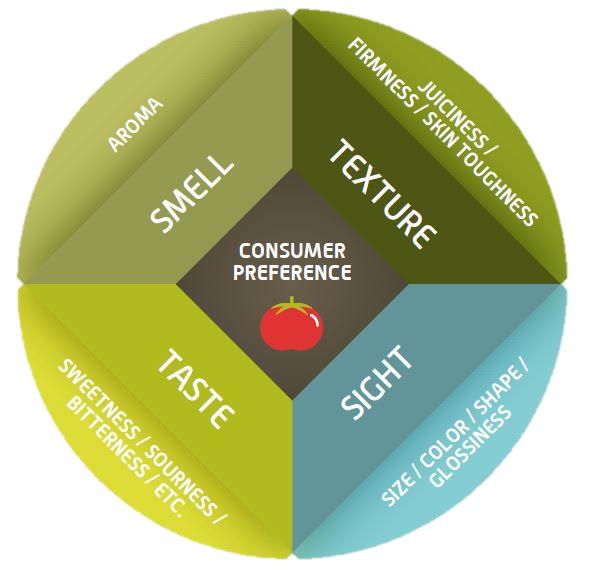
Sensory analysis examines a product’s properties through the senses of sight, smell, taste, touch, and hearing. Historically considered a quality control methodology, it has evolved in recent decades into one of the most important tools for innovation.
The shift is significant. Sensory science has moved from the lab to the boardroom. It now covers every touchpoint a consumer encounters:
- The moment they pick up a pack
- The sound of opening it
- The first smell on contact
- The texture in hand and in use
- The aftertaste or residual sensation that determines whether they come back
Today’s time-pressed consumer makes faster, intuitive, emotion-based judgements. The battleground is shifting towards non-conscious sensory cues. Brands that have not mapped these cues are leaving the most powerful part of the consumer relationship to chance.
Global Brands That Got There First


The brands that invested earliest in sensory science are also the ones with the highest purchase loyalty. Here is what that investment looked like in practice:
- Nestlé: The Nestlé Research Centre in Lausanne employs a team of sensory scientists working on flavour and texture optimisation, packaging, and shelf life. One output was a chocolate milkshake reformulation that improved dissolution in milk and cut sugar by 15 per cent, without consumers perceiving any loss in richness.
- Coca-Cola: The New Coke failure of 1985 was a sensory science failure. The formula performed well in blind tests but broke the psychological sensory bond consumers had built with the original, including the sound of the can, the colour of the packaging, and the ritual of consumption. The product tasted fine. The sensory memory was broken. Sales collapsed.
- Apple: Its packaging does not succeed because it looks beautiful. The smooth texture and weight of Apple’s iPhone packaging are designed to convey a sense of quality and luxury. The box’s weight, the resistance when you open it, and the reveal sequence all communicate premium quality before the product is even touched.
- Cinnabon: They strategically place their ovens at the front of their stores to lure in customers with the scent of cinnamon and sugar. The smell is not a by-product of baking. It is the marketing.
- Sound and flavour: High-pitched sounds can make chocolate taste sweeter. This cross-modal relationship means brands can design packaging, including the crinkle sound, to enhance a product’s flavour profile.
These are not accidents. They are investments in sensory architecture.
India: The Sensory Stakes Are Higher


India is a particularly demanding sensory environment. Three factors make sensory science not a premium option here, but a basic operating requirement:
- Regional diversity: Brands that successfully incorporate regional flavour profiles, like ITC and Haldiram’s, demonstrate how localised FMCG products resonate with diverse Indian palates. A consumer in Kerala has a fundamentally different sensory reference point for “spicy” than a consumer in Punjab. Getting that wrong is a distribution problem disguised as a product problem.
- Olfactory branding: ITC’s Sonar hotel in Kolkata is one of the early documented Indian experiments in scent-led brand experience. In a cluttered market where even advertising fails to create differentiation, sensory branding appears to be a subtle, pleasant, and insidious way of creating a compelling brand experience. The scent of a lobby is a brand decision. Most Indian hospitality and retail brands still treat it as housekeeping.
- Premiumisation through sensory repositioning: Dabur’s evolution from an Ayurvedic pharmacy brand to mainstream personal care is, in part, a sensory story. Textures, colours, and scent profiles were modernised without abandoning the olfactory memory consumers associate with tradition. The neem and amla signals were retained. The experience of use was updated. That is applied sensory science, even if it was not labelled as such.
The premium personal care segment, with brands like Forest Essentials and Kama Ayurveda, has been built almost entirely on sensory architecture: the weight of glass bottles, the texture of formulations, and the scent-forward identity. They command three to five times the price of mass-market equivalents, not primarily because of ingredient superiority, but because of the full sensory story they tell.
The D2C Opportunity and the Risk
India’s D2C market crossed $80 billion in 2024. It is expected to continue its strong growth trajectory. But the absence of a physical retail shelf has created a new sensory problem: how does a brand communicate sensory value through a screen?
The answer is deliberate. The most successful Indian D2C brands have understood that sensory science must now operate through anticipation:
- Every visual cue in photography must imply texture and quality
- Every scent descriptor in copy must make the consumer imagine the smell
- Every unboxing ritual must be engineered, not assembled by default
- The consumer must be able to feel the product before it arrives
For categories like pet wellness, baby care, and functional nutrition, the stakes are higher still. The parent buying a supplement for their child or pet is making a trusting decision. Consider what that decision actually rests on:
- The texture of a capsule or chew
- The smell of a syrup or powder
- The palatability experience on first use
- The ease of administering it without resistance
These are not secondary concerns. They are the primary barriers to repeat purchase.
What Investment in Sensory Science Actually Looks Like


Sensory science is not a single capability. It operates across four distinct functions:
- Product development: Systematic testing of how formulation changes affect the sensory profile perceived by consumers, not just the chemistry measured in the lab. The question is not whether the product is stable. The question is whether it tastes, smells, and feels the way a consumer wants it to.
- Packaging development: Understanding the tactile, visual, and auditory cues a pack delivers and engineering them to reinforce brand positioning. Matte finishes feel soft and modern, while glossy surfaces suggest sleekness and sophistication. Soft-touch coatings mimic the feel of velvet, creating an instantly luxurious sensation.
- Retail environment: The scent, temperature, lighting, and sound design of physical spaces, each of which influences dwell time, purchase rate, and brand perception.
- Consumer research: Structured sensory panels that generate precise, quantitative data about what works, what does not, and why. Liking and purchase intent metrics are not the full story. Revealing sensory drivers of success, plus conscious and non-conscious hot buttons and opportunities, is about unlocking that extra five per cent to go from good to great.
The Competitive Logic
The business case is straightforward. Products that deliver a consistent, engineered, memorable sensory experience:
- Build stronger repeat purchases
- They are more resistant to competitive entry
- Are more resilient to price pressure
- Create brand memory that advertising alone cannot manufacture
There is no closer engagement between a consumer and a brand than the experience of using a product and its packaging.
In India, where most FMCG competition is still fought on price and distribution, sensory differentiation is an underexploited lever. The brands that invest in it now will be significantly harder to displace in three to five years, not because they will have built better logistics, but because they will have built something more durable: a sensory memory in consumers’ minds.
The Indian consumer is becoming more sophisticated, more willing to pay for quality, and more capable of articulating what they like and dislike. In 2024, 57 per cent of consumers studied products in detail before purchasing. The research phase is now part of the sensory journey. What consumers read, see, and experience across every touchpoint shapes the sensory expectations they bring to the product.
Brands that have not invested in mapping and managing that journey are not losing on price. They are losing in experience. And experience, once it solidifies into preference, is the hardest thing to dislodge.
The five senses have always been the entry point for consumer decision-making. Sensory science makes the management of that entry point systematic. The brands that understand this and invest accordingly will not just win shelf space. They will win memory.