Great Activations – Thanks for Coke Creating
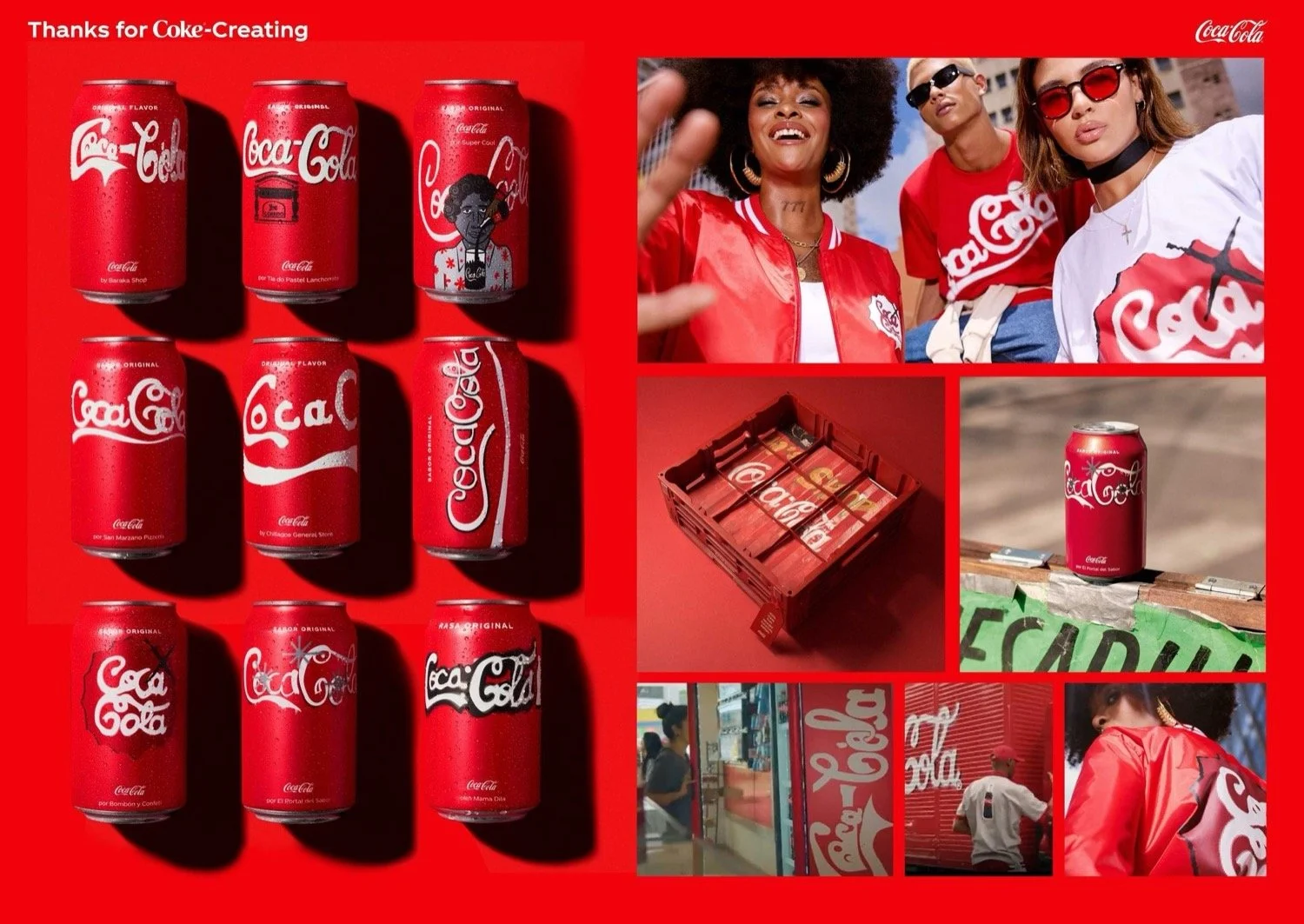
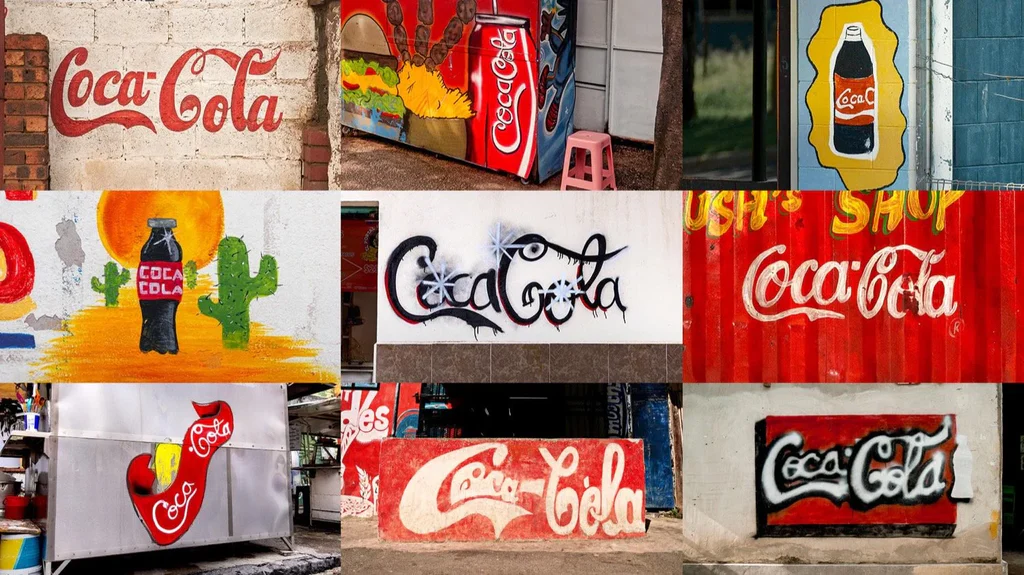
Thanks for Coke-Creating elevates real, hand-painted shop murals into global ads-honouring local creativity while reinforcing Coca-Cola’s iconic identity.
When Coca-Cola Stopped Policing Its Logo – and Started Thanking the World
For decades, Coca-Cola did something most global brands do instinctively: it protected its logo like sacred property.
And yet, quietly, all over the world –
on roadside kirana stores in India,
on hand-painted signs in Brazil,
on spaza shops in South Africa,
on small cafés in Mexico- people were already redrawing it.
Not perfectly.
Not consistently.
Sometimes crooked.
Sometimes colourful.
Sometimes wildly wrong.
And Coca-Cola realised something profound:
The world wasn’t misusing the logo.
It was loving it.
That insight became “Thanks for Coke-Creating”, also known globally as “Every Coca-Cola Is Welcome.”
Where the Idea Truly Came From
This wasn’t born in a boardroom or brand guideline meeting.
It came from observation.
Local Coca-Cola teams and creative partners had long noticed:
- Shop owners repainting Coke logos by hand
- Letters stretched, compressed, tilted, stylised
- Colours altered based on available paint
- Logos blended with local language and aesthetics
From a legal lens, these were unauthorised reproductions.
From a cultural lens, they were proof of belonging.
The breakthrough question was simple but brave:
What if we stopped correcting these expressions—and instead celebrated them?
The People Behind It
The campaign was created by WPP Open X, led by VML, working closely with Coca-Cola’s global brand teams.
But what made this campaign special was how it was built:
- Creative teams across Brazil, South Africa, Mexico, Indonesia, Australia, and the US
- Real scouts sent into neighbourhoods to find hand-painted Coke signs
- Teams documented:
- Who painted it
- Why it looked the way it did
- How long had it been there
- What it meant to the shop owner
One producer described it as:
“Less like making ads, more like doing anthropology.”
The Big Risk Coca-Cola Took
Coca-Cola did something almost unthinkable for a brand of its stature:
It put distorted versions of its logo into official advertising.
No corrections.
No “cleaning up.”
No brand police.
That takes confidence.
The bet was this:
If the brand is truly iconic, it doesn’t need to be perfect to be recognisable.
And Coke was right.
Even when the logo was:
- Uneven
- Handwritten
- Half-peeled
- Repainted over the decades
You still knew it was Coca-Cola.
How the Campaign Played Out
Instead of slick celebrity films, the campaign showed:
- Real shopfront logos on billboards
- Hand-painted signs blown up in OOH
- Stories of shopkeepers and artists
- Global ads where no two Coke logos looked the same
The message wasn’t shouted.
It was quietly confident:
“Every Coca-Cola is welcome.”
Which also meant:
- Every culture
- Every interpretation
- Every imperfect expression
Trivia That Makes This Campaign Special
• Some logos featured had been painted 20-30 years ago
• Many painters had never considered themselves “artists”
• Coca-Cola tracked and archived hundreds of unique logo variations
• In some countries, this was the first time local shopkeepers felt ‘seen’ by a global brand
• Internally, legal teams had to rethink what “brand misuse” actually means
• The campaign deliberately avoided influencers—the creators were everyday people
One creative director summed it up beautifully:
“We didn’t ask people to co-create.
They’d been doing it for decades.
We just said thank you.”
Why This Campaign Worked
1. It Turned Brand Control Into Brand Confidence
Only brands deeply secure in their identity can let go this way.
2. It Celebrated Cultural Ownership
Coca-Cola wasn’t speaking to communities.
It was acknowledging that it already lived with them.
3. It Made the Brand Feel Human Again
Not polished.
Not corporate.
But lived-in.
4. It Reframed IP as Participation
Instead of enforcement, Coca-Cola chose inclusion.
Why This Matters for Marketers
This campaign teaches a rare lesson:
The strongest brands aren’t the ones most tightly controlled.
They’re the ones most deeply adopted.
“Thanks for Coke-Creating” isn’t about logos.
It’s about letting go of perfection to gain relevance.
In a world obsessed with brand guidelines,
Coca-Cola reminded us that culture doesn’t follow rules—it rewrites them.
And sometimes, the smartest thing a brand can say is:
“We see you. And we’re grateful.”