The Unfair Advantage: Deciphering the Psychology of ‘Good Enough’ Product Success
Why average products often outsell better ones. Learn how identity, storytelling, and psychology shape e-commerce success and drive customer desire
Some brands win not because their products outperform everyone else, but because their story does.
You’ve seen this play out in real life.
A quirky, borderline pointless product- like the glow-in-the-dark toilet nightlight- sells millions.
A silly “world’s okayest boss” mug becomes an Amazon bestseller every Father’s Day.
A plush banana toy becomes a cult gift.
Meanwhile, carefully engineered, well-tested, actually useful products sit in a silent corner of the internet, hoping someone notices.
Why does this happen?
Because people don’t buy the best thing.
They buy the thing that makes them feel something.
Once you understand that, the winners suddenly make sense.
Below are the four psychological triggers that quietly determine who dominates online – and how your brand can use them ethically and effectively.
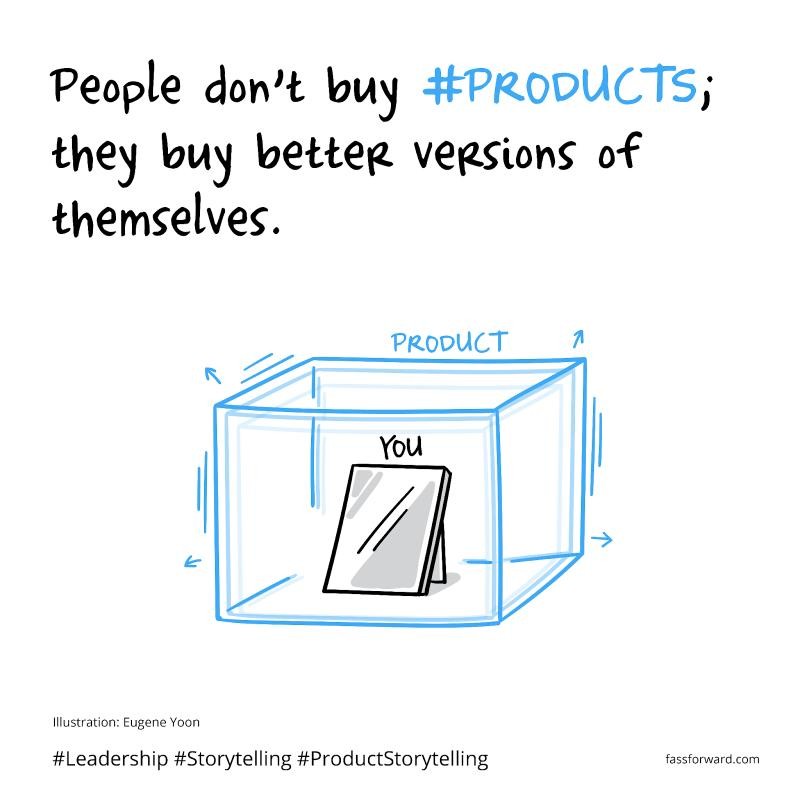
1. People Don’t Buy Products. They Buy a New Identity.
The difference between a ₹200 white T-shirt and a ₹2,000 one isn’t cotton quality – it’s identity.
A basic bottle doesn’t become a cultural symbol until it’s branded as a Hydro Flask or a Stanley Cup.
These bottles don’t just hydrate people; they signal belonging, lifestyle, discipline, or trendiness.
Who you become by owning it is the real product.
A stainless-steel bottle becomes:
Not: “good for water”
But: “built for people who train, not complain.”
Same object.
Different world.
Different customer.
If your story doesn’t speak to who your customer wants to be, your product stays invisible.
2. Ordinary Products Need Extraordinary Context
Most products are not exciting on their own.
So brands create a use case that sparks emotion or aspiration.
Example: A foldable phone stand
Boring as a feature.
Powerful as a story.
Apple did this brilliantly with AirPods. AirPods weren’t positioned as “wireless earbuds”.
They were positioned as:
- freedom from wires
- seamless lifestyle
- hands-free living
- the effortless version of you
Suddenly, the most ordinary action – listening to music – became aspirational.
Your product needs its own “AirPods moment”.
Paint the before and after:
Before: messy, awkward, inconvenient
After: organised, stylish, effortless
Make the customer imagine your product as part of their daily rhythm.
3. The Sale Happens When the Customer Feels Understood
Great storytelling mirrors the customer’s hidden frustrations so clearly that the customer thinks:
“Exactly! That’s me.”
Dropbox did this in its earliest days – with a simple story:
“You never have to email yourself files again.”
Not technical.
Not feature-driven.
Just… relatable.
Another example:
A travel skincare brand grows not by talking about ingredients but by saying:
“Your skin shouldn’t suffer just because your flight was delayed.”
That’s empathy, not marketing.
The brands that win don’t shout about themselves.
They articulate the customer’s life so honestly that the product becomes an obvious choice.
4. You’re Not Losing to Better Competitors – You’re Losing to Better Storytellers
Look at brands like Crocs, Stanley, Glossier, or even the laughably simple Squatty Potty.
Their success didn’t come from superior product engineering.
It came from the story around the product:
- Crocs → comfort rebellion
- Stanley Cup → hydration culture
- Squatty Potty → humorous storytelling about bathroom posture
- Glossier → “You, but dewier” identity narrative
Meanwhile, many genuinely excellent products fade away because they try to sell logic rather than emotion.
A product with a mediocre feature set but a powerful story will outsell a better product that communicates poorly.
You’re not being outsold.
You’re being out-narrated.
The Real Lesson: You Don’t Need a Better Product. You Need a Better Narrative.
The internet is crowded.
Attention is short.
Choices are overwhelming.
What cuts through is not technical superiority – it’s emotional clarity.
People don’t want another product in their lives.
They want something that makes their life feel:
- easier
- brighter
- calmer
- more confident
- more “them”
Your job is to express that transformation so vividly that they feel it before they buy it.
Tell the story they want to step into.
Because when the product becomes part of their identity – not just their shopping cart – selling is no longer persuasion.
It’s alignment.