The Silent User: Marketing When Your Audience Cannot Speak

There is a peculiar paradox in modern marketing.
The person who uses a product is often not the person who can evaluate it.
- A baby wearing Huggies diapers cannot assess comfort or quality
- A puppy taking Much Petter supplements cannot reason about joint health
- A dog cannot articulate whether a supplement is working


In each case, the actual user is silent.
- They have no voice
- They cannot express satisfaction or dissatisfaction
- They cannot recommend or warn
And yet the marketing must work.
- Someone must decide to buy
- Someone must trust the brand
- Someone must believe their choice serves the silent user well
That someone is the customer.
The parent. The pet owner. The decision-maker.
This is not a failure of marketing.
It is its greatest challenge.
When executed well, it becomes one of the most powerful market positions a brand can occupy.
The Architecture of Proxy Marketing
Conventional marketing follows a linear path.
- You make something
- You tell people about it
- They decide
- They buy
- They use
- They recommend
But when users cannot speak for themselves, the chain becomes triangular.
A customer must make a proxy decision.
- Imagine the benefit on behalf of someone else
- Convince themselves that their choice will deliver value to a third party
- Decide without direct feedback from the actual user
This creates a psychological gap.
The decision-maker is motivated by different anxieties and aspirations than the silent user.
- A mother buying diapers is not thinking about absorbency
- She is thinking about whether she is doing right by her child
- A pet owner buying supplements is not evaluating glucosamine levels
- They are thinking about whether they are neglecting their animal’s health
Trust as Currency
Huggies understood this principle.
The brand could have marketed on absorbency, leak protection, or material quality.
Instead, it markets on something the parent feels.
The reassurance that they are caring for their baby well.
The ‘No Baby Unhugged’ Campaign

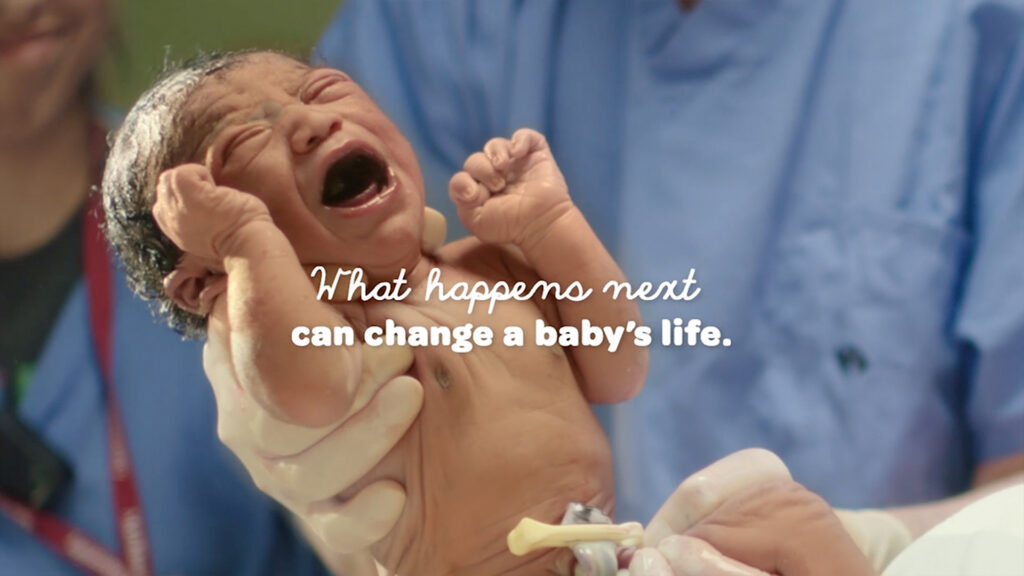
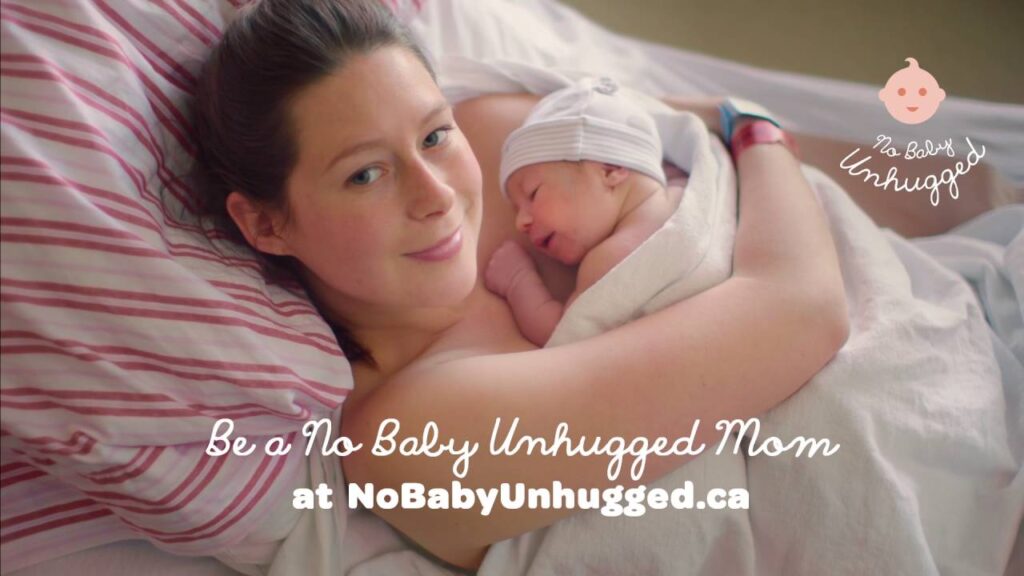
In 2015, Huggies launched a campaign that redefined its category.
- The brand did not simply sell diapers
- It funded volunteer hugging programs in hospitals for babies whose parents could not be present
- Mothers submitted photos of themselves hugging their babies
- Huggies donated $5 to the program for each photo
The results were stunning.
- 19.2% sales increase in year one
- Well above the 1% annual growth typical in the category
- Huggies tripled its customer database
The mechanism was subtle but powerful.
Huggies did not say: ‘Our diapers are better.’
It said: ‘We understand what matters to you as a parent.’
- You worry about the connection
- You worry about touch
- You worry about whether you are doing enough
- We are here for you in that anxiety
The Reassurance Framework
Marketing to proxy audiences follows a consistent pattern.
The decision-maker needs reassurance in three dimensions.
Care and Competence
Is the brand capable of handling what matters to you?
- Huggies signals this through scientific framing
- Hypoallergenic materials
- Breathability
- Dermatologist backing
Kajol, the brand’s Indian spokesperson, signals this through trusted celebrity endorsement.
Reassurance builds when parents believe the brand understands something they struggle with.
Shared Values
Do you and the brand believe the same things about what the silent user deserves?
Huggies’ tagline is: ‘We got you, baby.’
This is not about the baby’s needs.
It is about the parents’ fear of being alone in their choices.
The brand signals: ‘You are not alone in this responsibility.’
Visibility Into the Experience
What does success look like?
For diapers, success is clear.
- Nighttime dryness
- Rash-free skin
- A baby’s comfort signals
The brand must make these outcomes visible.
The parent cannot directly experience them.
Huggies does this through emotionally resonant advertising.
- Peaceful sleeping babies
- Happy mothers
Global Examples: How Different Markets Approach the Silent User
Sweden: The Transparency Model
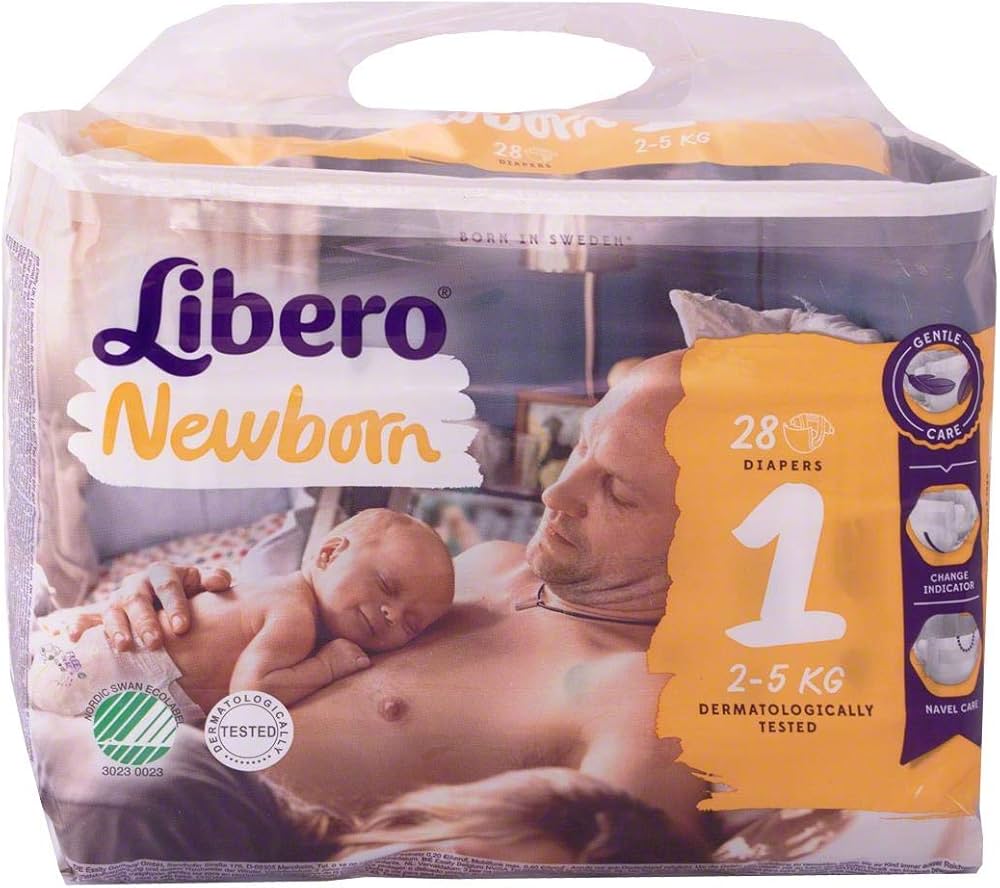
Swedish diaper brands like Libero use radical transparency.
- Publish exact ingredient lists
- Publish certification details
- Publish environmental impact metrics
The reassurance framework here is intellectual.
The Swedish parent is reassured because they can verify claims themselves.
The silent user is protected not by the brand’s assurance.
It is protected by the parent’s ability to audit the brand.
Japan: The Ritual Model
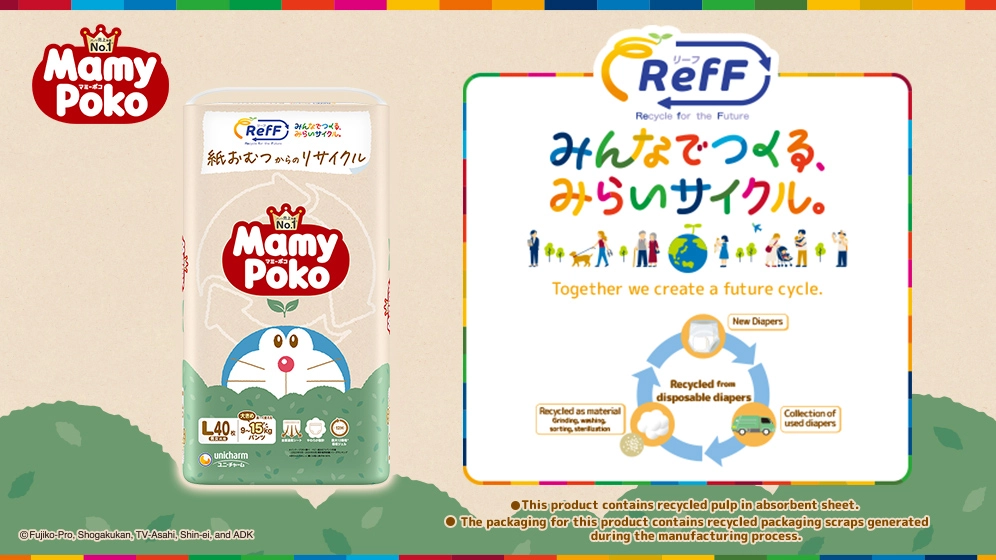
Japanese brands like MamyPoko market differently.
Diapers are not functional products.
They participate in the ritual of caregiving.
- Packaging is carefully designed
- Advertisements show moments of connection
- A parent fastening the diaper
- The baby’s expression
The silent user is not marketed to directly.
Instead, the parent is made to feel that choosing this product is participation in an ancient, sacred practice of care.
India: The Aspiration Model

In India, Huggies’ marketing through Kajol taps into a different psychology.
The Indian middle-class parent is anxious about providing premium care.
Premium goods remain aspirational in this context.
By associating with Kajol, a beloved film actress, Huggies signals something powerful.
- The parent who chooses this brand is signalling something about their own identity
- The parent is signalling their aspirations for their child
The silent user, the baby, becomes a vessel for the parents’ aspirations.
This differs markedly from Swedish transparency or Japanese ritual.
Here, the reassurance framework is social.
- What does it mean about me if I choose this?
- What future am I building for my child by making this choice?
The Pet Care Analogue: Much Petter and the Anxious Owner

Pet supplement marketing reveals a similar triangle.
The dog or cat cannot report back on improvements in joint health.
But the owner can observe behaviour.
- A dog climbing stairs more easily
- Activity levels
- Coat quality
The brand’s challenge is critical.
Help the owner attribute these changes to the supplement.
Not to coincidence or natural ageing.
Much Petter’s Approach
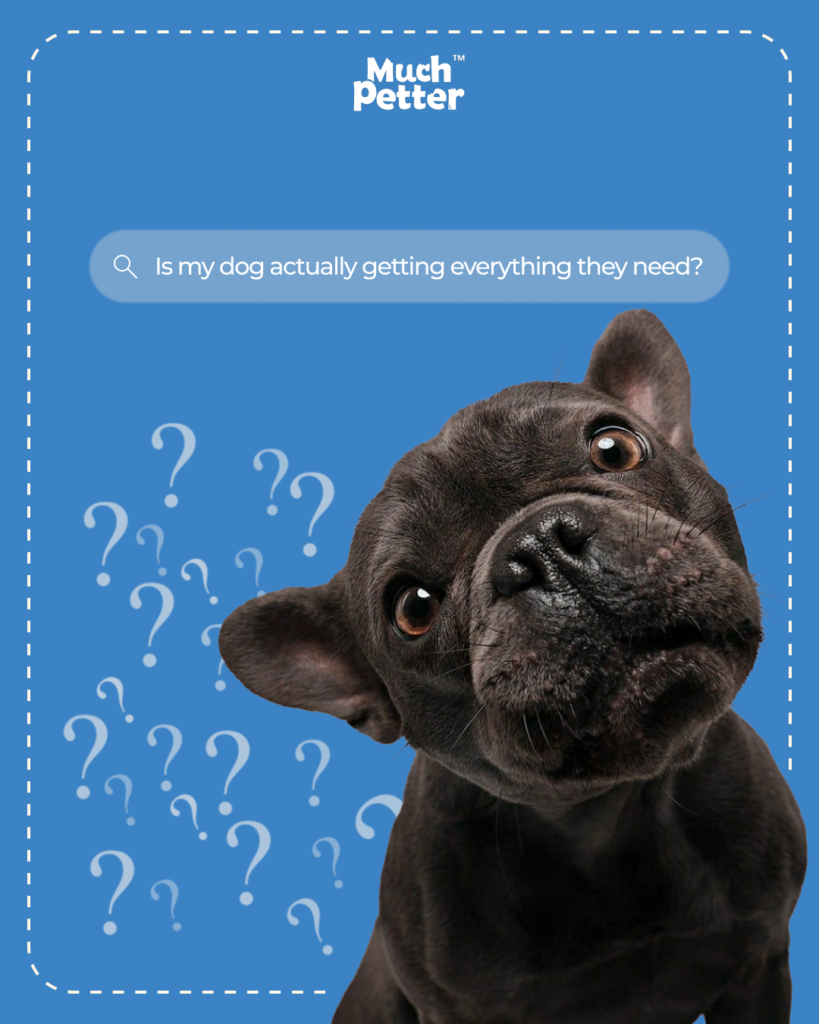
Much Petter, an Indian D2C pet supplement brand, addresses this by aligning with symptoms.
- Educate owners about healthy joints in dogs
- Provide guidance on recognising early joint deterioration
- Connect supplement ingredients to observable outcomes
The silent user, the dog, remains silent.
But the owner is given a framework to interpret the dog’s behaviour as evidence of efficacy.
This is different from human healthcare marketing.
Patients can report subjective improvements.
Pet owners must be taught to be observers and interpreters of their animal’s condition.
Four Principles for Silent-User Marketing
1. Identify the Actual Fear
The proxy decision-maker’s anxiety is rarely about product features.
- A parent buying premium diapers is not afraid of wet sheets
- They are afraid of failing their child
- Afraid of not doing enough
- Afraid of judgment from other parents
- A pet owner buying supplements is not afraid of joint health in the abstract
- They are afraid of watching their ageing animal suffer
Effective marketing names this fear directly.
Huggies’ ‘No Baby Unhugged’ did not hide the emotional core.
It made the parents’ longing for connection central.
And the fear of missing a connection.
Once the actual fear is named, the product becomes a tool for addressing it.
2. Create Visible Proxies for Invisible Outcomes
Because the decision-maker cannot experience the end-user’s experience, they need visible signals of success.
For diapers, success is visible.
- A dry baby
- Peaceful sleep
- Healthy skin
The brand must make these outcomes vivid in marketing.
Huggies’ Super Bowl campaign in 2021 featured real babies born that day.
The brand was showing the outcome it enables.
- The arrival of healthy newborns
- The parents’ joy at holding a child
The product itself was barely visible.
The outcome filled the frame.
- Connection
- Joy
- Safety
3. Build Authority Through Third Parties
A proxy decision-maker is more convinced by voices they already trust than by the brand’s own claims.
- Huggies uses Kajol in India
- Pet supplement brands feature veterinarian endorsements
- Cultural training programs partner with international labour organisations
The strategy is not to replace the brand’s voice.
It is to amplify it through people whom the decision-maker already believes in.
A mother knows Kajol.
She trusts her recommendations.
By associating Huggies with Kajol’s motherhood narrative, the brand borrows that trust.
4. Enable the Decision-Maker to Become an Observer
The proxy decision-maker needs frameworks to interpret the end-user’s behaviour.
This behaviour should be interpreted as evidence of the product’s value.
- A parent needs to know that a baby sleeping through the night is a sign of dryness, not a coincidence
- A pet owner needs to know that increased activity is a sign of joint health, not temporary energy
Much Petter provides this through educational content.
- How to assess joint health in dogs
- What age-appropriate activity looks like
- What behaviour changes indicate improvement
The brand does not just sell supplements.
It teaches owners how to observe and interpret their dog’s condition.
Education as marketing positions the brand as genuinely concerned with good decision-making.
Not just with conversion.
The Data Asymmetry: Converting Reassurance Into Relationships
There is another layer to silent-user marketing.
Because the decision-maker is so invested in making the right choice, they will often provide information freely.
- Share photos of their baby or pet
- Describe their child’s health history
- Complete surveys about their aspirations for their family
Huggies’ ‘No Baby Unhugged’ campaign exploited this principle beautifully.
Each mother who participated provided valuable data.
- Email address
- Photo
- Parental proof
- Permission to contact
The campaign collected first-party data at scale.
Not through extraction but through reciprocity.
The mother gave data because she felt the brand understood her.
The brand was offering something real in return.
Not just a product, but validation of her care.
In an age of diminishing cookies and privacy restrictions, this principle matters more than ever.
Silent-user marketing can be more data-rich.
The decision-maker will voluntarily share in exchange for emotional resonance.
The Ethical Edge
There is an ethical dimension here that must be named.
When you market to a proxy for a silent user, you have a special responsibility.
- The parent cannot be lied to about joint health and simply discover it later
- The product must deliver
- The reassurance you build must be grounded in real efficacy
This is why Huggies’ commitment to material quality is not incidental to its marketing.
The brand can build an emotional connection because the product itself delivers.
For dry, healthy babies, it works.
The marketing works because it is true.
Brands that try to build reassurance without genuine product efficacy will eventually fail.
The silent user cannot advocate for themselves.
But time can.
- A baby in uncomfortable diapers
- A dog with worsening joints
- A young worker unprepared for cultural differences
These are not failures that stay hidden.
A Silent Symphony
Silent-user marketing is not a workaround for conventional marketing.
It is a higher order of marketing complexity.
It requires brands to understand three things about the decision-maker.
- What they fear
- What they believe
- What they aspire to become through their choices
A mother buying Huggies is not buying absorbency.
She is buying a membership to a community of mothers who share certain beliefs about care.
A pet owner buying supplements is not buying a chemical formula.
They are buying permission to believe they are doing right by their ageing companion.
A family sending a worker abroad is not buying a training module.
They are buying confidence that their loved one will navigate a foreign place safely.
The brand’s job in these scenarios is to understand that its true customer is not the user.
The true customer is the person making the choice on behalf of someone else.
Once you understand what that person fears, believes, and wants to become, marketing stops being about persuasion.
It becomes about recognition.
It becomes about saying: ‘I see you. I understand what you carry. Let me help you carry it.’
That is how you market when the user is silent.
You speak to the person who speaks for them.
And you do it with the kind of understanding that only comes from truly believing the stakes matter.