The Generation That Refuses to Be Sold To- Gen Z
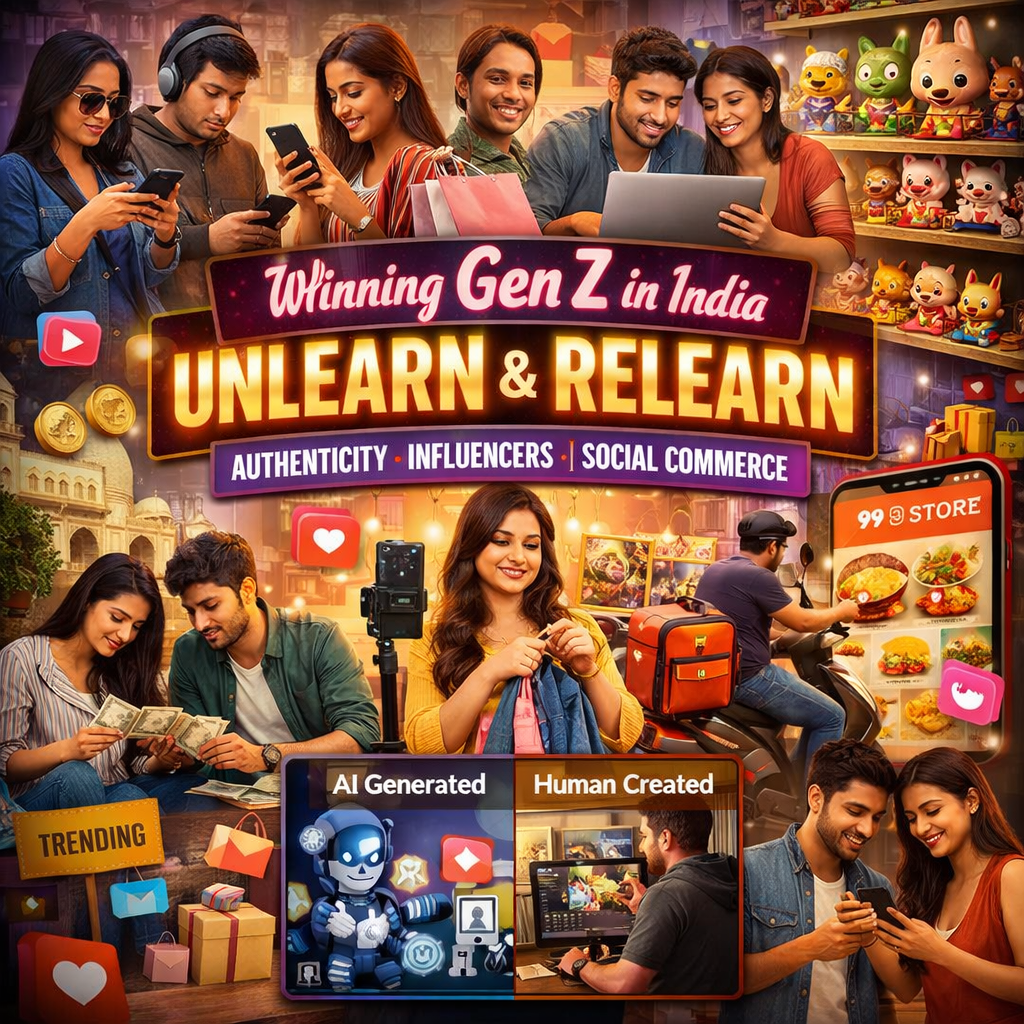
Gen Z aren’t hard to market to – they’re hard to deceive. What Indian brands must unlearn to earn the trust of 380 million consumers who can spot a fake in seconds.
What Indian brands need to unlearn and relearn, to earn Gen Z’s attention

There are roughly 380 million Gen Z consumers in India. They are between 13 and 28 years old. They carry smartphones like an extension of their hands. And they can tell within seconds when a brand is fake.
That last point is the one most marketers are still struggling with.
Globally, Gen Z’s spending is projected to hit $12 trillion by 2030. In India, fashion spending alone is already expected to exceed $30 billion. They are not a future market. They are the market, right now. The problem is that too many brands are still talking at them using a playbook designed for their parents.
They Are Not Who You Think They Are
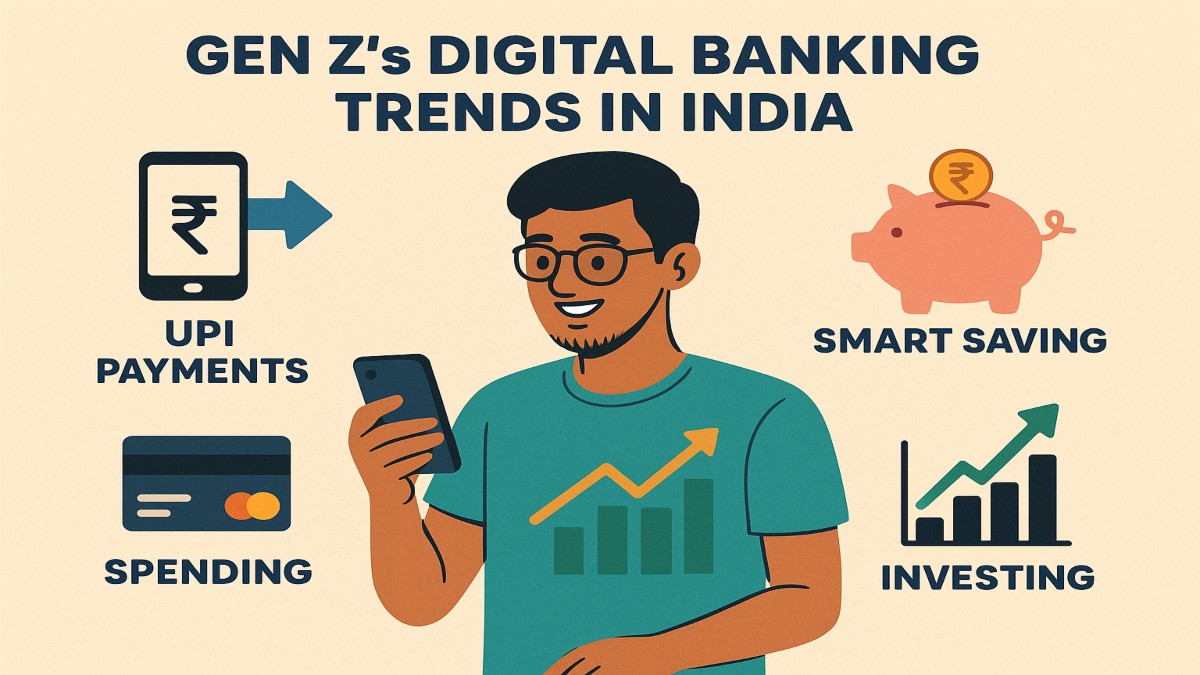
The stereotype is lazy: phone-addicted, commitment-averse, impossible to please. The data tells a different story.
According to the ET Snapchat Gen Z Index – a study tracking India’s 377 million-strong Gen Z population – three out of four save at least 30% of their income. Nearly a quarter are already thinking about FIRE (Financial Independence, Retire Early) strategies. And 83% say they feel pride in buying Indian-origin brands.
This is not a generation of impulsive, distracted spenders. They are cautious, values-driven, and extremely well-informed. The impulsiveness is real, but it is triggered differently – not by a 30-second ad, but by a creator they trust, a community recommendation, or a product drop that creates genuine FOMO.
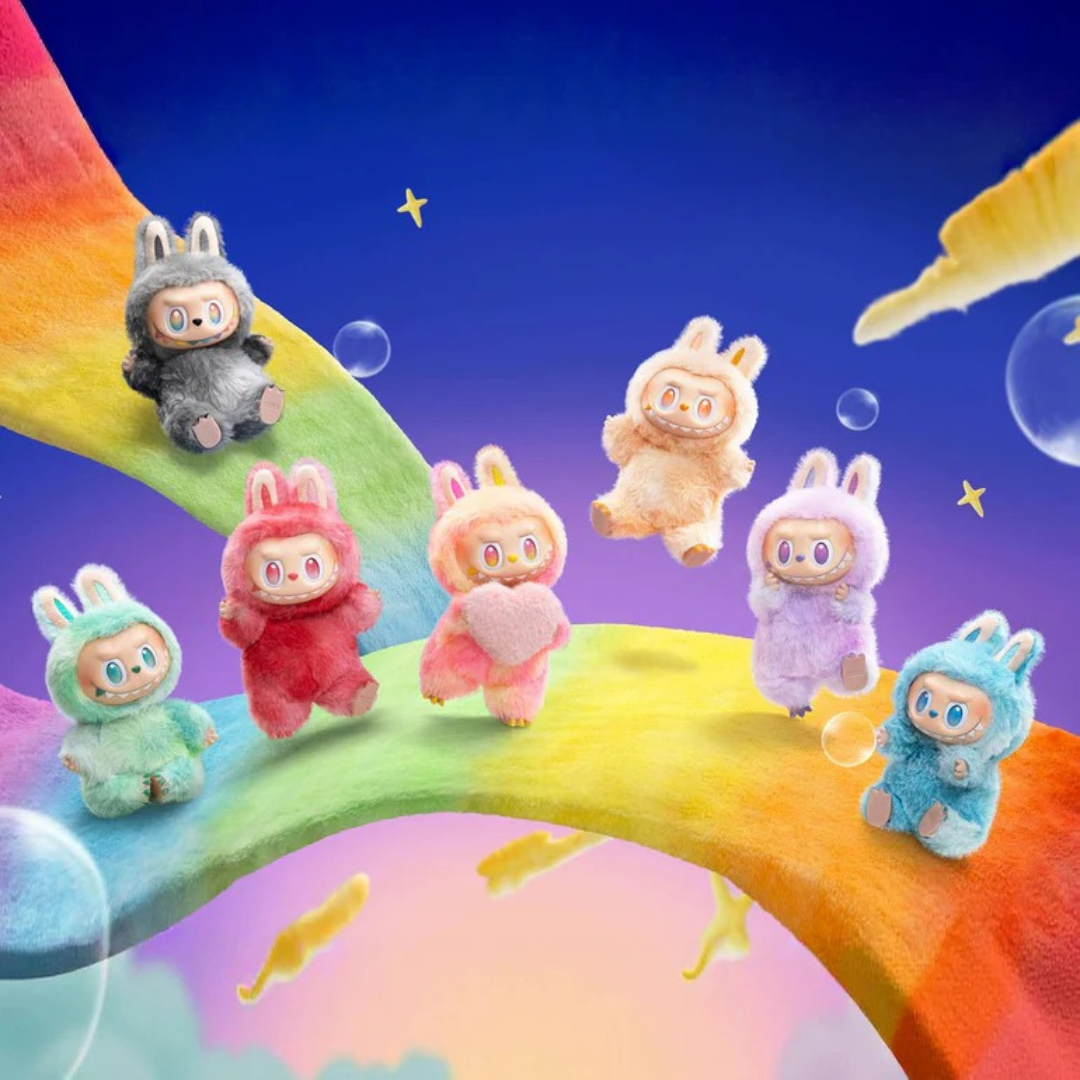
Pop Mart understood this before most marketers did. Their Labubu collectables – limited drops, themed series, nothing that looked like a conventional product launch – became a cultural phenomenon through creator content and peer recommendations. Revenue from the Monsters series grew 726% year-on-year in 2024. Not a single traditional ad campaign.
Social Is Not a Channel. It Is the Store


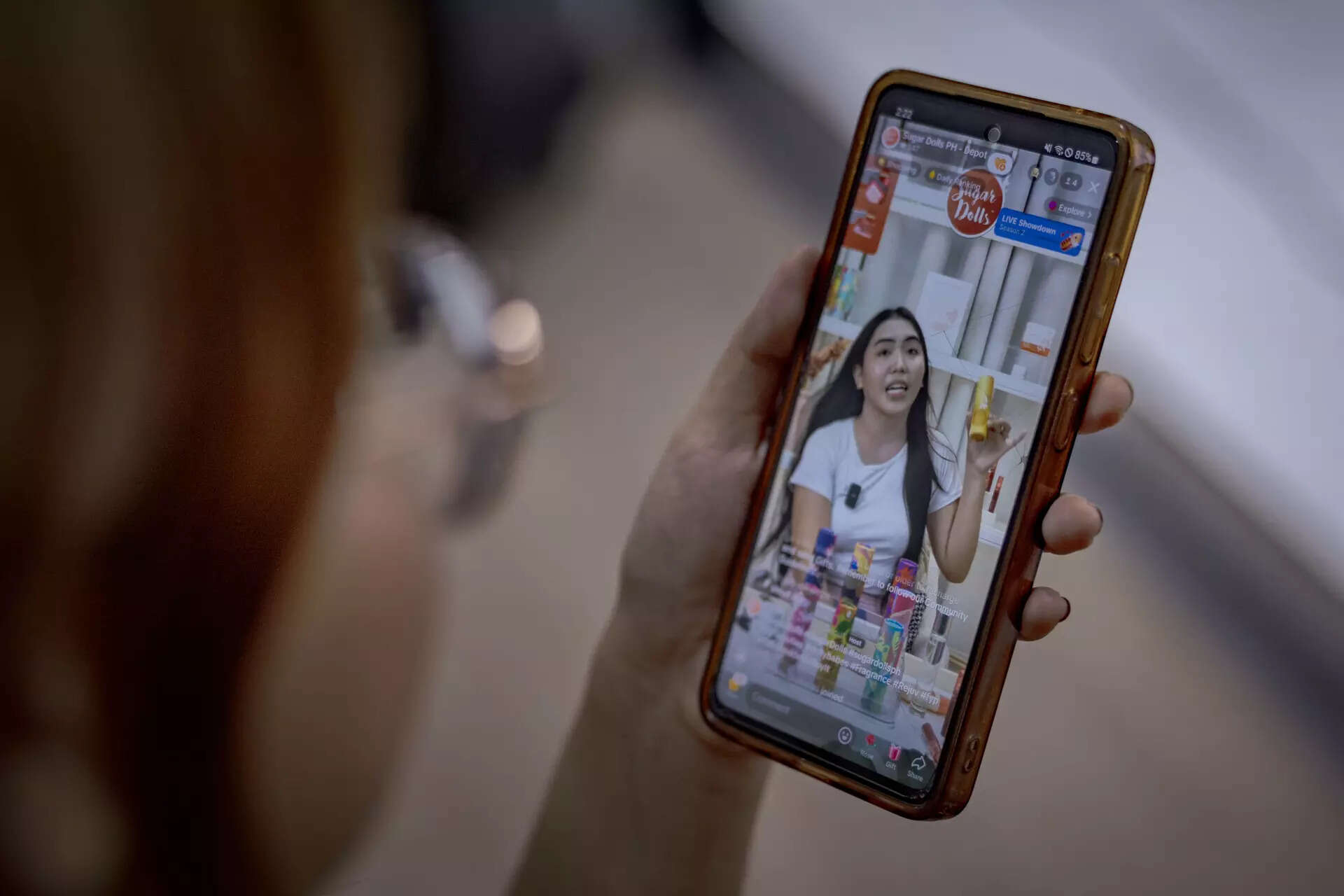
90% of Indian Gen Z use Google or YouTube daily, according to Think with Google. But social platforms have replaced search engines as the first stop for product discovery. TikTok (where available), Instagram Reels, and YouTube Shorts are not where they go after deciding to buy – they are where the decision gets made.
The research is consistent across markets: social media ads, creator content, and organic brand posts have influenced some portion of purchases for over 90% of Gen Z in the last six months alone.
What this means for Indian brands is that the funnel has collapsed. Awareness, consideration, and conversion can happen in a single scroll. Maruti Suzuki figured this out when they launched their sporty SUV using gaming creators on YouTube. The livestreams generated 2.7 million views and drove 2.5 times more event visitors. No primetime TV. No full-page newspaper spreads.
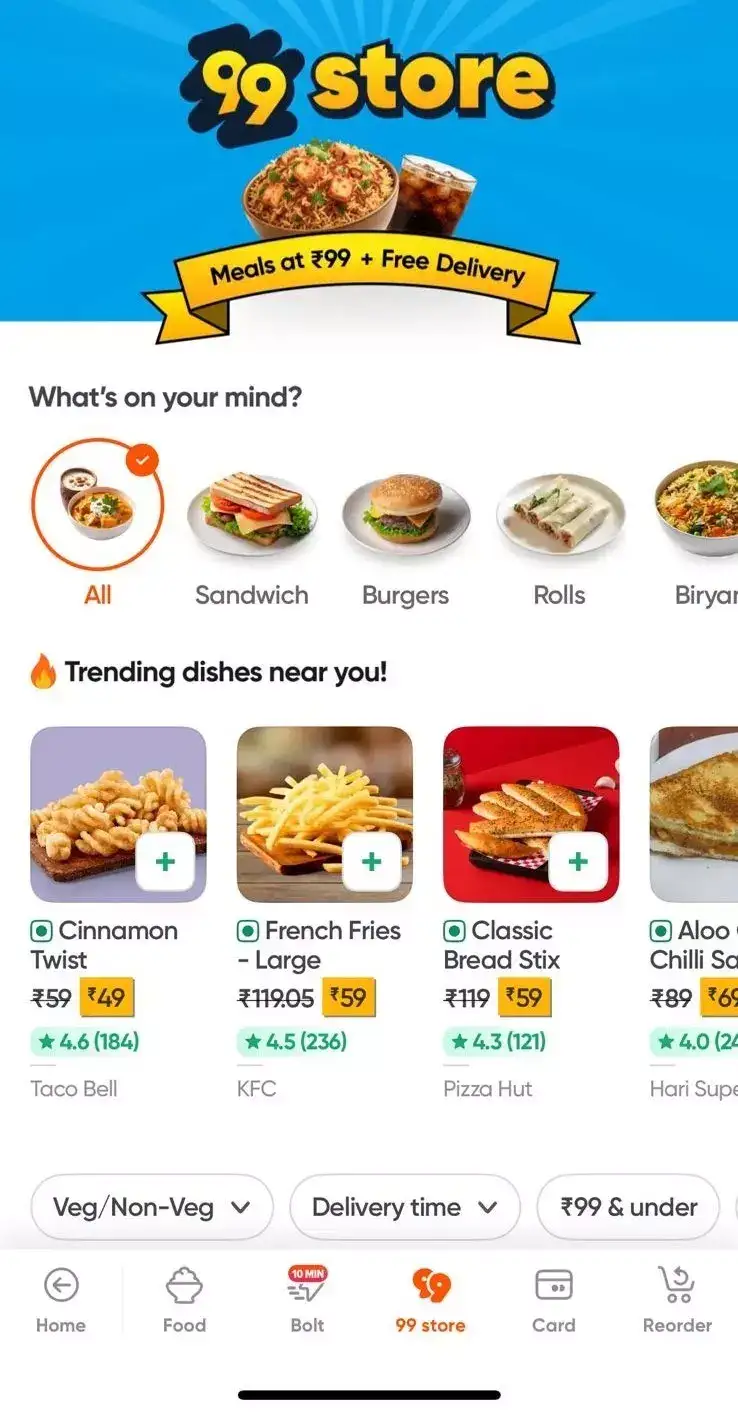
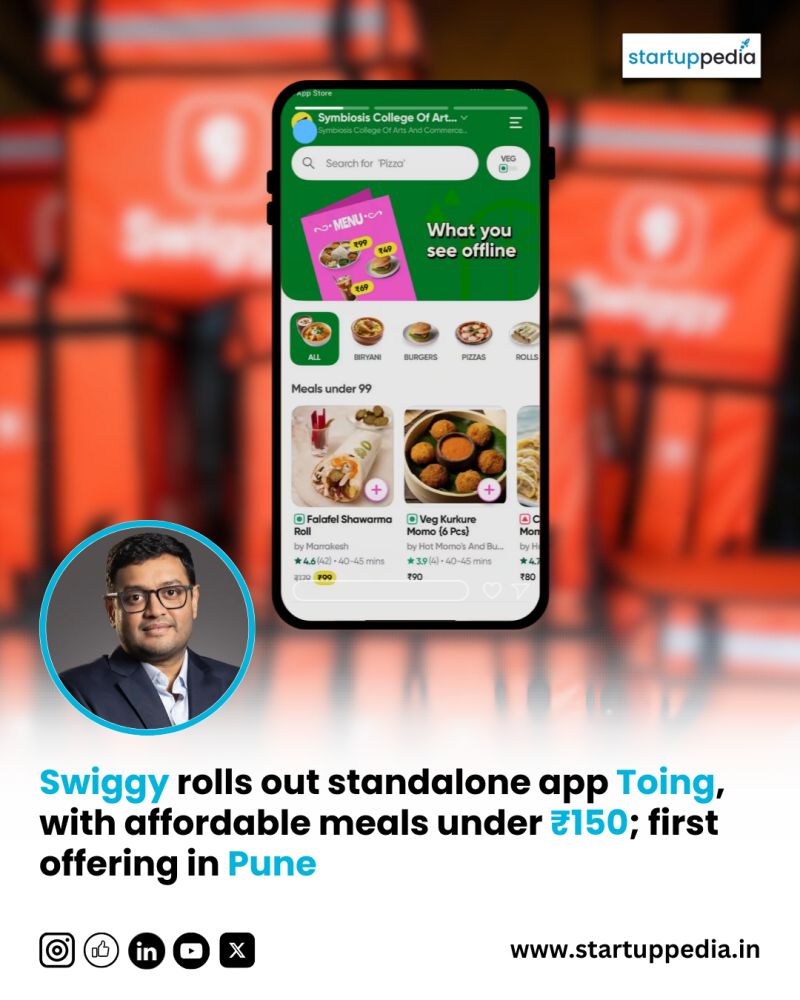
Swiggy has built product features around this logic. Their Rs 99 Store – single-serve meals at a fixed price point – is not just a value play. It is a Gen Z acquisition strategy, live across 700 cities, designed around the insight that affordability and speed are the two things this cohort will not compromise on.
Gen Z does not browse your website. They discover you in a feed, decide in 8 seconds, and buy without leaving the app.
Authenticity Is Not a Tone of Voice. It Is Behaviour

Brands keep confusing authenticity with informality. Being casual on Instagram does not make you authentic. Posting behind-the-scenes reels does not make you authentic. Gen Z is remarkably good at detecting the performance of authenticity.
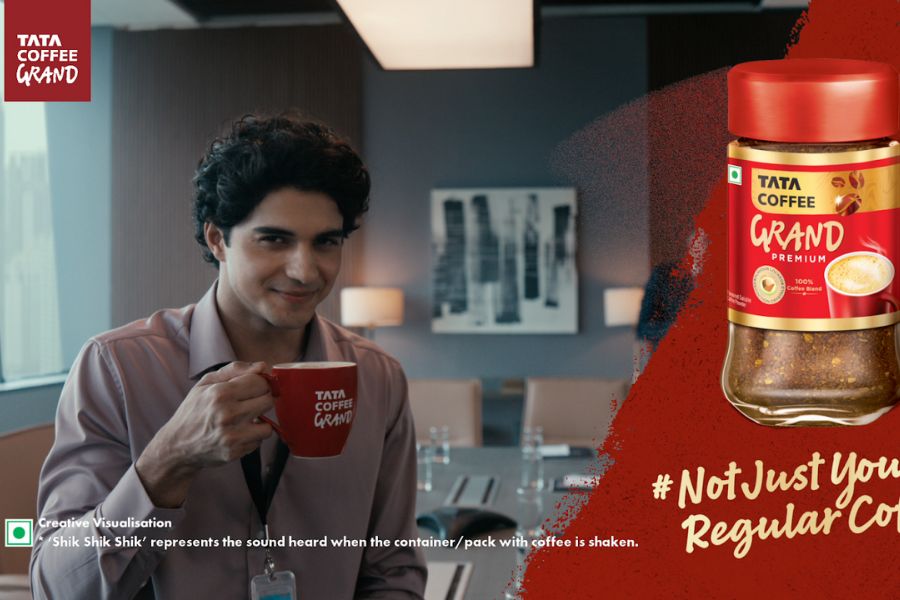
They respond to consistency between what a brand says and what it does. Tata Coffee Grand’s campaign ‘Not Just Your Regular Coffee’ worked because it reflected a genuine positioning shift – coffee as a vehicle for individuality and self-expression – rather than a one-off creative idea. It spoke to the part of young urban India that is quietly tired of being told what normal looks like.
Patagonia’s approach – globally – offers a useful counterpoint. Instead of claiming sustainability, they openly discuss the problems in their supply chain. Gen Z trusts the admission of imperfection far more than the claim of perfection. Indian brands are beginning to learn this, but slowly.
The Body Shop’s India reset is instructive. Instead of pushing product-first content, they have shifted to influencer-led, digital-first storytelling – conversations, not campaigns. The brand is leaning into platforms that allow for genuine, close-range engagement with younger consumers.
Influencers Still Work. Just Not the Expensive Ones

Celebrity endorsements are losing ground, fast. The ET Snapchat Gen Z Index found that 80% of Indian Gen Z trust influencers who share relatable content, compared to 67% who trust celebrity endorsements. That gap is significant.
Research from YMS 2025 reinforces this globally: when Gen Z teens were asked what drives them to want a product, 66% said it was a brand they already liked, and 46% said their friends had it. Seeing it on a favourite influencer or creator came in at 26%. A celebrity endorsement trailed at 15%.
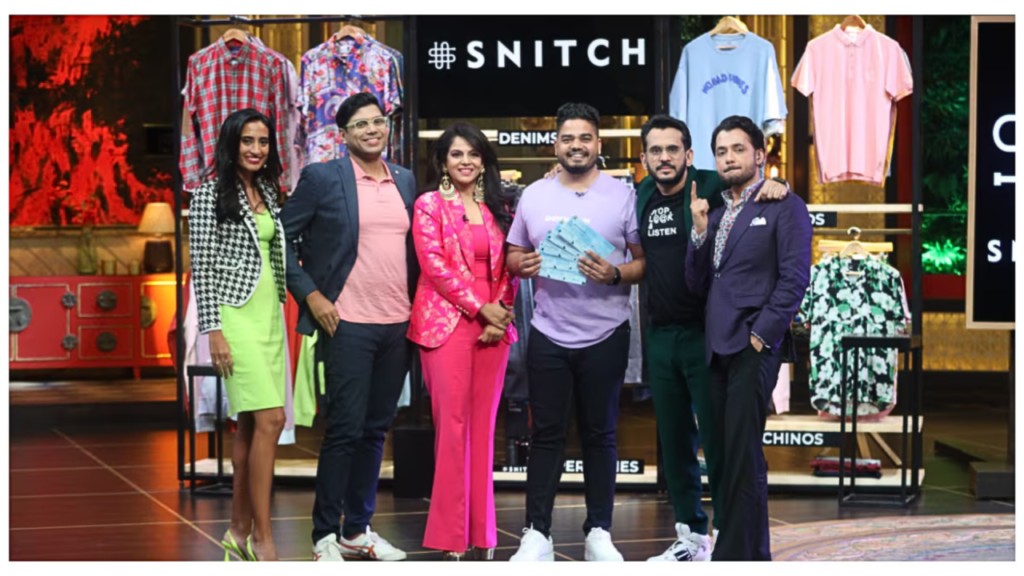
The implication is clear. Peer influence and micro-creator trust outperform celebrity reach. Snitch, the Bengaluru-based menswear brand, has built most of its cultural relevance through aggressive micro-influencer marketing and sharp social storytelling. Weekly trend drops priced between Rs 500 and Rs 2,500, promoted by creators who actually wear the clothes – not by stars who would never be caught in them. The brand now operates more than 80 stores and has expanded into 60-minute apparel delivery via quick commerce.
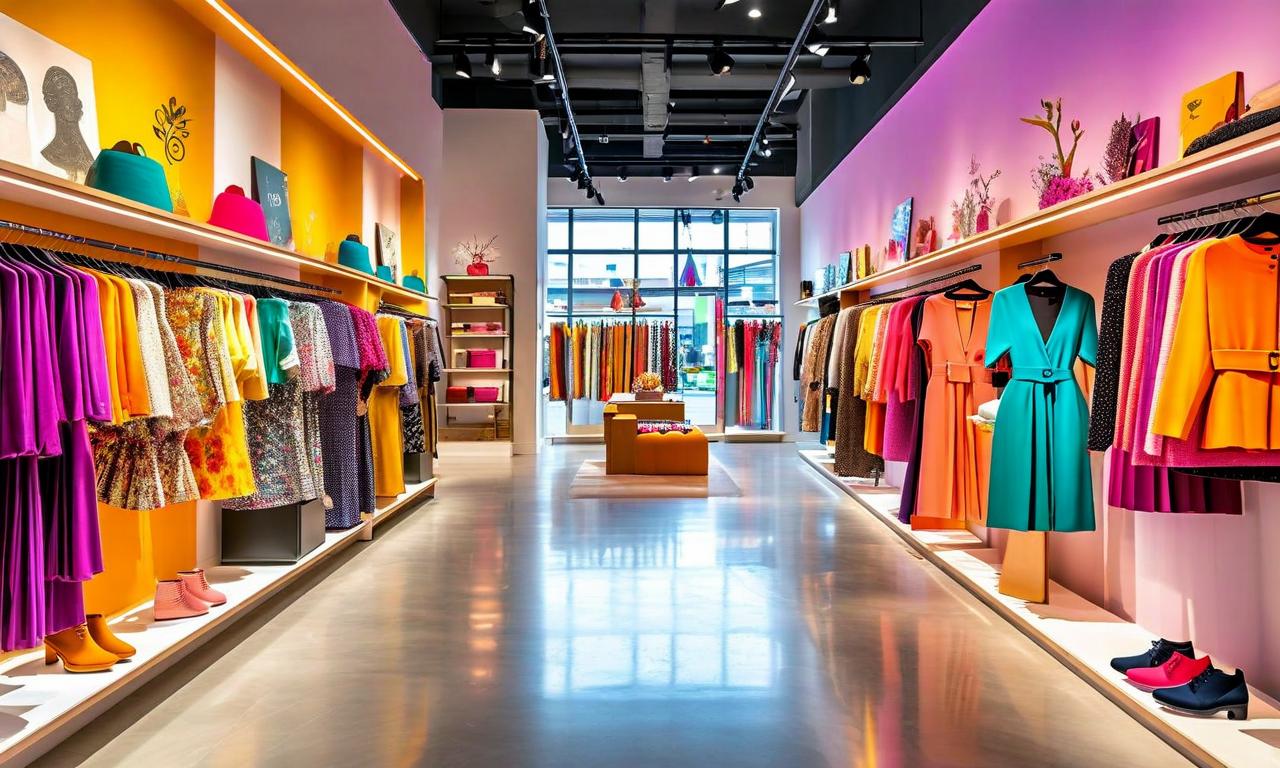
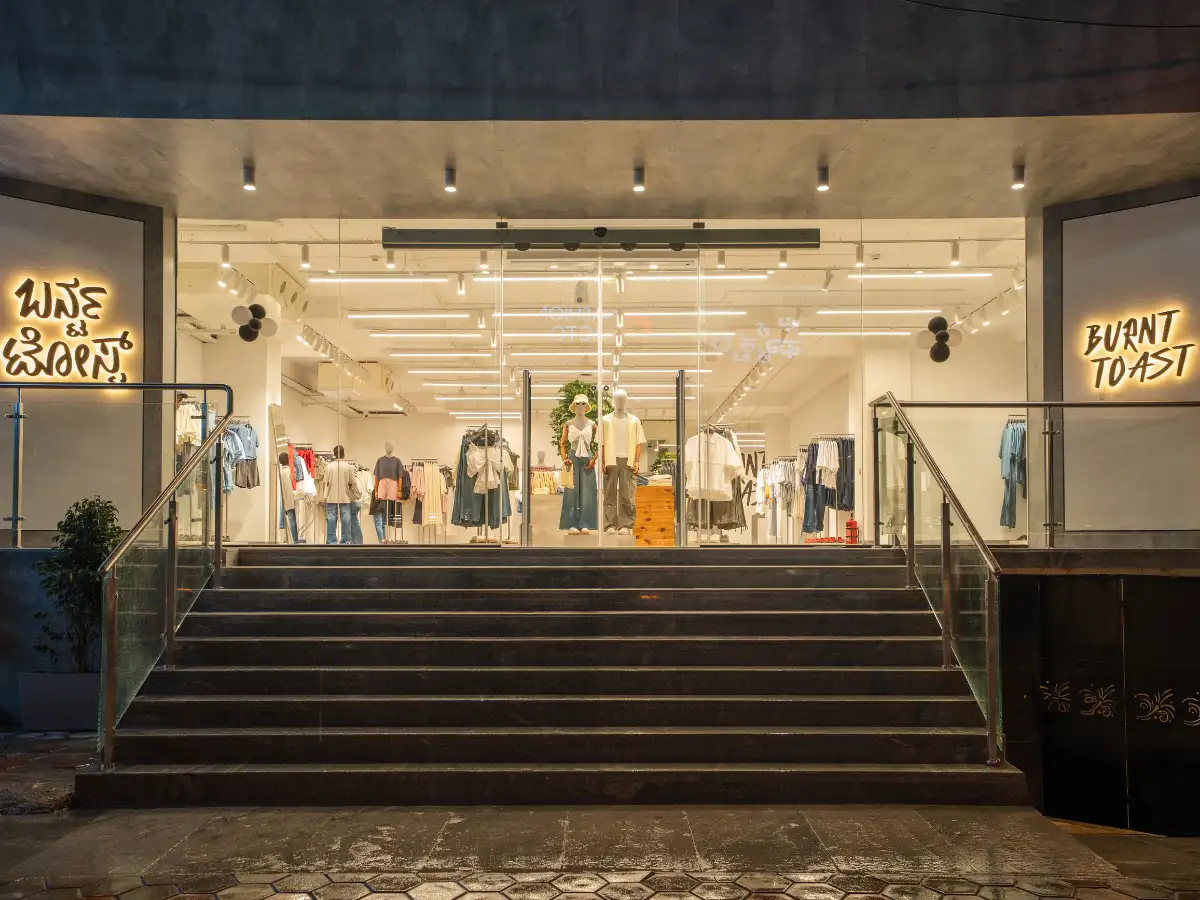

Aditya Birla Fashion’s OWND! and Trent’s Burnt Toast are further evidence that legacy Indian conglomerates have read the room. Products priced under Rs 1,200, bold design language, store environments built to be Instagrammable. These are not youth sub-brands grafted onto parent companies. They are genuine attempts to meet Gen Z on their own terms.
The AI Content Problem Nobody Is Talking About
Marketers are betting heavily on AI-generated content to scale social output. Gen Z is not impressed.
According to a Q1 2026 Sprout Social pulse survey, about 40% of Gen Z are unlikely to engage with AI-generated content. 56% say they are more likely to trust brands committed to human-made content. And the single thing they most want brands to stop doing? Publishing AI content without clearly labelling it.
This is not an anti-technology stance. Gen Z grew up with algorithmic content, personalisation engines, and digital tools. They are sophisticated enough to spot the difference between genuine expression and generated output. Brands that flood their feeds with AI-generated posts while claiming authenticity are setting themselves up for a credibility collapse.
What the Numbers Say About Indian Gen Z Specifically


India’s Gen Z is not a smaller version of its American counterpart. The cultural and economic contexts differ in ways that matter.
Over 60% of Indian Gen Z engage in online shopping. Impulse purchases are driven by influencers and trend cycles. But they are also deeply price-conscious – they will buy dupes, compare across platforms, and wait for sales. Fast-fashion brands that offer rapid trend drops at affordable price points are winning in this segment. Littlebox, for instance, drops 100 new women’s styles weekly and runs on a 25-day inventory cycle. That is not a brand chasing Gen Z. That is a brand that has genuinely restructured its operations around how Gen Z shops.
At the same time, 85% of Indian Gen Z say they buy brands that carry personal meaning. This is not a contradiction – it is the tension that defines the segment. They want affordability and identity. The brands that crack both win.
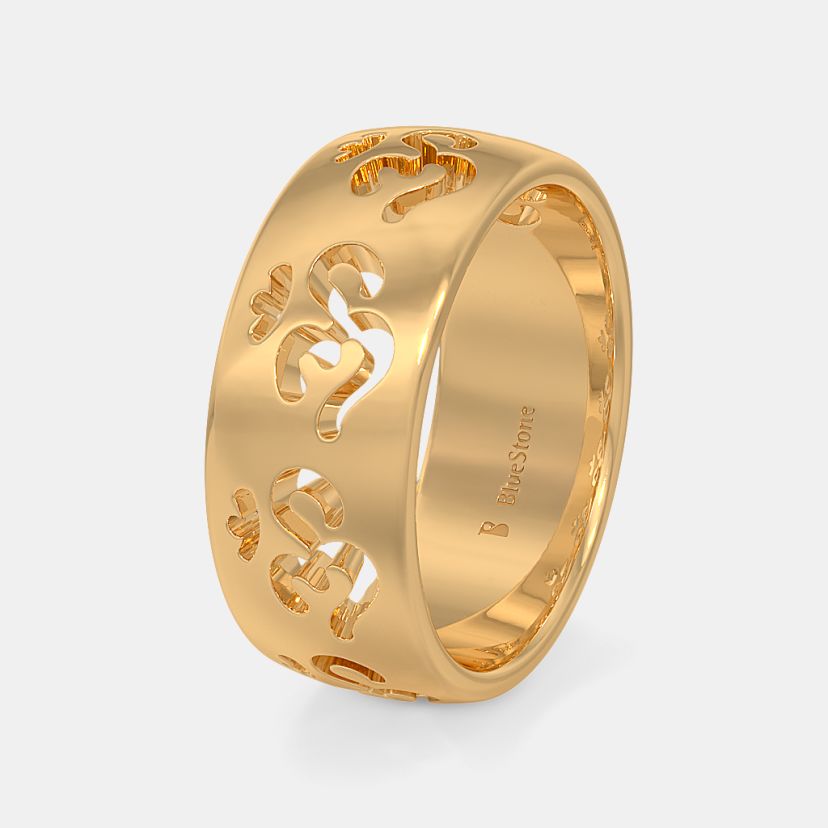
The jewellery sector is a useful data point. Bluestone, which focuses on design-led, everyday wear pieces rather than traditional wedding-heavy categories, has increased its revenue market share from 17.7% in FY19 to 24.6% in FY25. The lifestyle jewellery market is expected to grow at a 16–18% CAGR through 2029. Gen Z is buying jewellery – just not the kind their parents did.
What Brands Need to Stop Doing
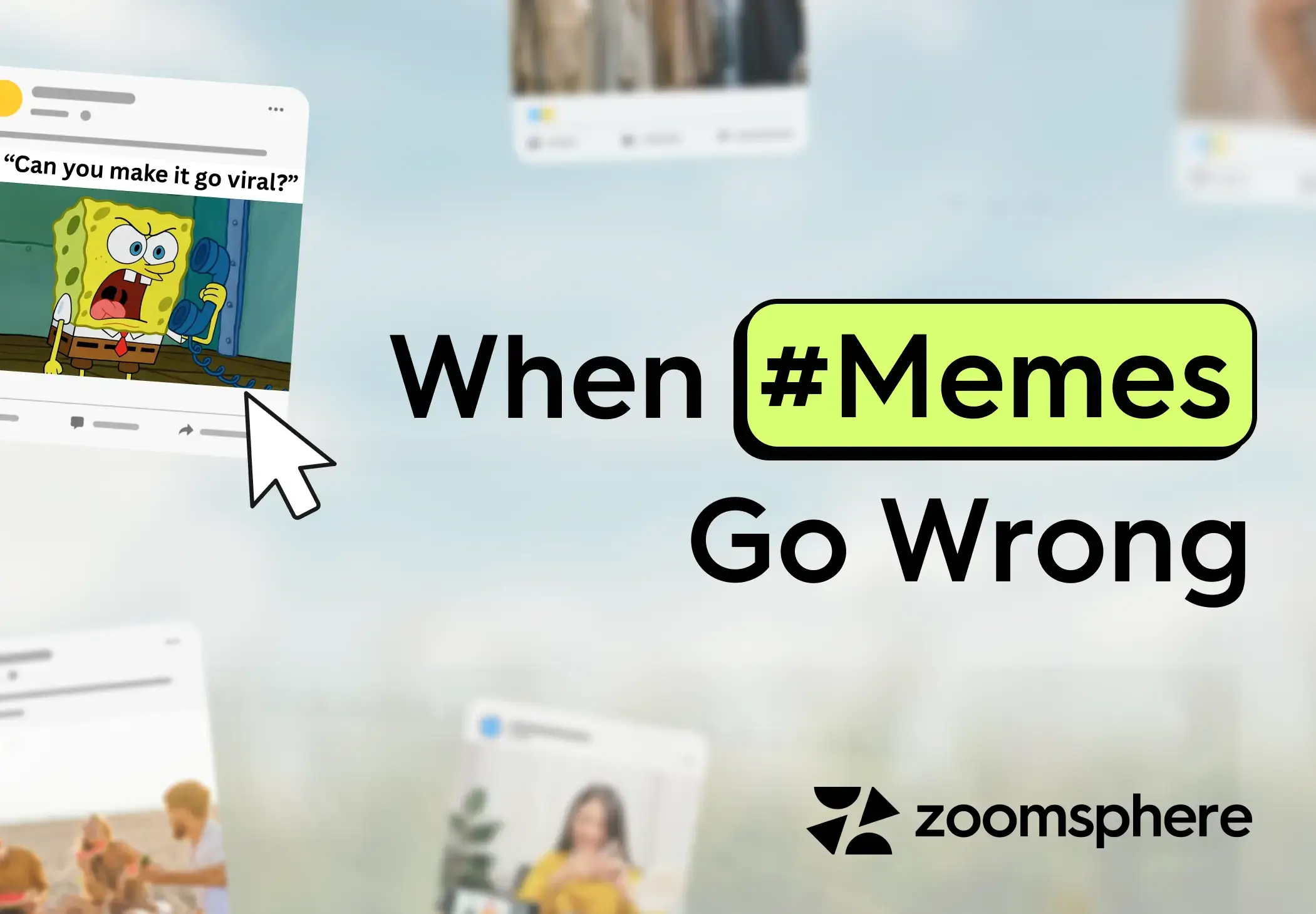
Stop chasing every trend. Posting a meme because it is trending is not the same as being culturally relevant. Gen Z is tired of brands that show up late to a cultural moment and ruin it.
Stop scripting influencer content. The moment a creator sounds like a press release, the audience switches off. The brands that are winning are the ones handing over creative control and living with the results – even when the output is slightly rough.
Stop assuming that talking about values is the same as having them. Gen Z checks. They will look at your leadership team, your sourcing practices, and your track record before they buy what you are saying. Pulse Candy tapping K-pop artist Aoora for a campaign is a smart cultural move. But if the product does not deliver, no amount of K-pop association will save the brand.
The Honest Summary


Gen Z is not difficult to market to. They are difficult to deceive.
Brands with real personalities, consistent values, and products that actually work appeal to them. They want to be spoken with, not at. They discover products through friends and creators they trust, not through advertising they have trained themselves to ignore.
In India, with 380 million of them shaping consumption patterns, the question is not whether brands need a Gen Z strategy. The question is whether the strategy is built on genuine understanding – or on another set of assumptions that will age badly.
The ones who will get it right are not the ones with the biggest budgets. They are the ones willing to give up control, earn trust slowly, and stop pretending they have figured out this generation.
References
ET Snapchat Gen Z Index (Kantar / Snap Inc., 2025) – newsroom.snap.com
Think with Google APAC – Gen Z Trends & Search Behaviour in India (2025) – thinkwithgoogle.com
Sprout Social Pulse Survey Q2 2025 & Q1 2026 – sproutsocial.com
Kotak MF – How Gen Z Is Reshaping Consumption in India and the World (2026) – kotakmf.com
BestMediaInfo – Why Gen Z Sat at the Centre of Marketing and Content Playbooks in 2025 – bestmediainfo.com
Images BoF – 9 Gen Z-Focused Brands Making Waves in India’s Fashion Market (2025) – imagesbof.in
Inviqa – Youth Marketing Trends 2025 (YMS 2025 analysis) – inviqa.com
eMarketer – FAQ on Gen Z: How Marketers Can Reach This Generation in 2026 – emarketer.com