Same Brand, New Bargain: When Your Promise Needs to Grow Up

A brand name is not a promise. It is a container. When the promise inside it loses relevance, re-promising may be a powerful move a brand can make.
There is a belief that runs quietly through many boardrooms. It goes something like this: we have a known brand; therefore, we have an asset, and we are protected.
It is a comfortable belief. It is also dangerous.
A brand name is not a promise. It is a container. What matters is what you put inside it. And if what you put inside it stops mattering to the people you are selling to, the container becomes worthless, regardless of how familiar it looks on a shelf or a screen.
The Name Is Not the Work
Brand familiarity has genuine value. People default to what they know. Trust is hard-won and slow to build. A recognised name carries real equity.
But familiarity alone does not close a sale. Not anymore.
Today’s consumer is sophisticated in ways that previous generations were not. She has comparison tools in her pocket. She reads reviews before she walks into a store. She talks to her network before she tries something new. She is not going to keep buying your brand simply because she has always bought it. She needs a reason. And that reason has to feel current.
When a brand stops giving people a current reason, something gradual and damaging begins to happen. The brand does not collapse dramatically. It fades. The name stays. The meaning drains out of it. What is left is a label masquerading as a brand.
The Trap of the Growing Portfolio

The instinctive response to a brand losing relevance is often to add more: more products, more variants, more SKUs, more categories.
The logic feels sound. More offers more chances to connect.
It rarely works that way.
What you actually get is:
- Higher operational complexity
- Diluted focus across the marketing team
- Consumer confusion about what the brand actually stands for
- A catalogue, not a brand
Kingfisher is an instructive example. At its peak, the brand stood for something precise: premium, aspirational, fun. It extended into airlines, into real estate, into fashion. Each extension moved further from the original clarity. The airline failed spectacularly. What remained of the beer brand had to work hard to recover the ground it lost simply by association. Extension without a coherent promise is not growth. It is noise.


So What Actually Changes a Brand’s Fortunes?
Brand strategists tend to reach for two familiar levers when growth stalls: repositioning or a visual refresh.
Repositioning is a significant undertaking. It often means changing who you are talking to, what you stand for, or both. Done well, it works. Done poorly, it alienates the existing base without attracting a new one.
A visual refresh is even more limited. New logo, new colours, new packaging. But if the promise underneath remains broken or irrelevant, the new design is just wallpaper over a damp wall.
There is a third lever that rarely gets enough attention: changing just the promise.
Not the brand. Not the product. Not the identity. The promise.
What does the brand commit to delivering, emotionally and functionally, every time someone chooses it?
Re-Promising: The Underused Move
Re-promising is not rebranding. The brand stays intact. The product may stay largely the same. What changes is the specific value the brand chooses to lead with.
This works when the existing promise has become:
- Generic: Every brand in the category is saying roughly the same thing
- Dated: the benefit was relevant a decade ago, but the consumer has moved on
- Underselling: the brand is delivering more than its promise claims
- Misaligned: the promise was written for a different market or a different moment
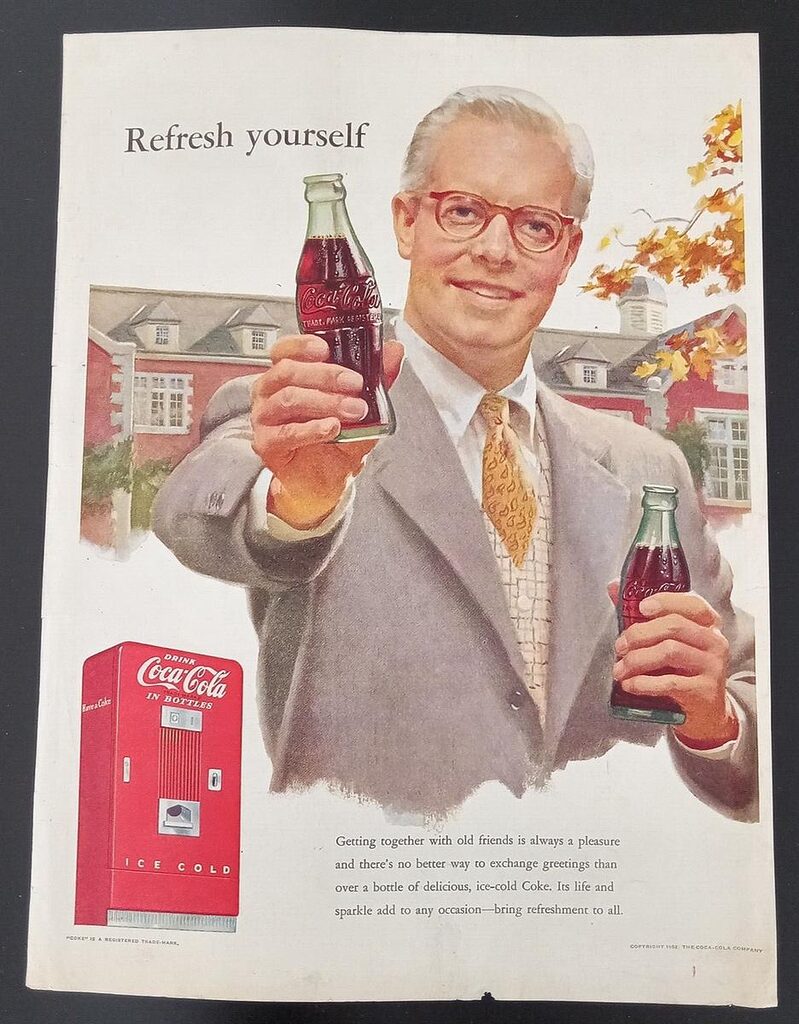
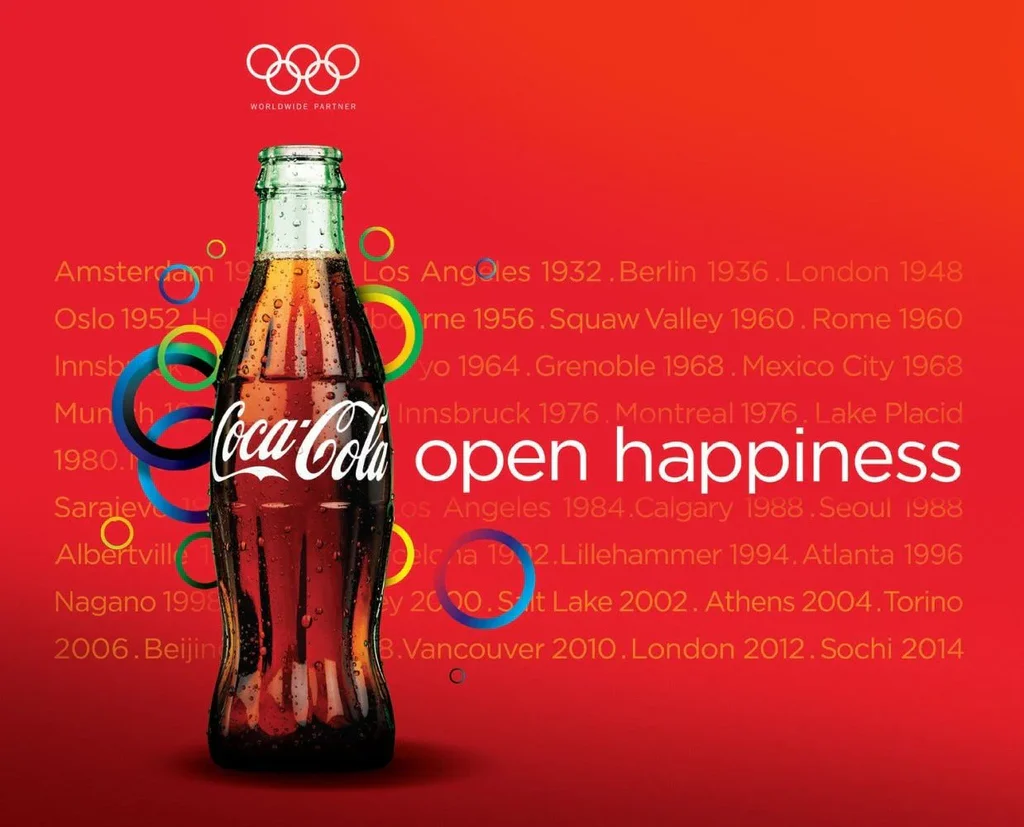
Coca-Cola is the clearest global example of this. For most of its history, the brand promised refreshment. It was a functional claim: cold, fizzy, quenching. It worked brilliantly. But refreshment had become table stakes. Every beverage brand promised it. So Coke made a quiet but consequential shift. The promise moved from refreshment to happiness. Same product. Same red can. Entirely different emotional register. The brand did not change. The bargain with the consumer did.
Indian Brands That Have Made This Shift
Cadbury Dairy Milk was for decades a children’s confection. The promise was simple: sweet reward, childhood pleasure. At some point, that promise started to limit the brand. Adults felt odd buying a chocolate for themselves. The re-promise was deliberate and visible: Dairy Milk became the brand for celebrating small, everyday moments between adults. “Kuch meetha ho jaaye” did not launch a new product. It opened a new emotional contract. The consumer base widened significantly.

Tanishq entered the jewellery market dominated by local goldsmiths with a promise of craftsmanship and community trust. Its early promise was institutional: purity, hallmarking, reliability. It was necessary but cold. Over time, Tanishq shifted its promise toward the modern Indian woman celebrating her own milestones, independent of occasion or male approval. The jewellery did not change dramatically. The meaning of buying it did.
Asian Paints made a similar move. The original promise was coverage and colour quality: a functional product for a functional need. The re-promise elevated it entirely. The brand stopped selling paint and started selling the feeling of home. “Har ghar kuch kehta hai” was not a product claim. It was an emotional repositioning of what a paint purchase means. Category leader for decades.

Tata Motors, with the Tiago, is worth noting. Tata’s passenger car business had suffered from a perception problem: affordable but not aspirational. The Tiago launch re-promised the entry-level car as a lifestyle product. The design language changed. The communication changed. The price point held. The promise shifted from “sensible” to “spirited”. It was one of the more successful re-promisings in the Indian automotive segment in years.

What Makes a Re-Promise Work
Not every promise shift succeeds. The ones that hold share certain characteristics.
It has to be earnable. The new promise must be something the product and experience can actually back up. A promise that the brand cannot deliver is worse than no promise at all. It accelerates distrust.
It has to give consumers a reason to pay more, or pay more often. This is the commercial test. A new promise that does not shift the purchase economics has not done its job. The emotional upgrade must translate into a willingness to spend.
It has to be a genuine upgrade, not a lateral move. Moving from “affordable” to “value” is not a promise shift. It is a synonym. The new promise needs to open a larger or higher-value emotional space than the old one occupied.
It should not abandon the existing base. The strongest re-promises expand the tent rather than relocate it. Dairy Milk did not stop being a children’s brand overnight. It grew to include adults without pushing children out. That continuity is what makes the transition credible.
The Question Worth Asking
Most brand reviews focus on the wrong things. Logo equity. Awareness scores. Distribution numbers. These matters do not reveal the core problem.
The right question is simpler and harder: what have we promised, and does anyone still care?
If the answer to the second part is uncertain, you do not necessarily need a new brand. You may not even need a new product.
You need a new bargain.


1 Comment