What Pet Food Can Learn From the Human Food Aisle
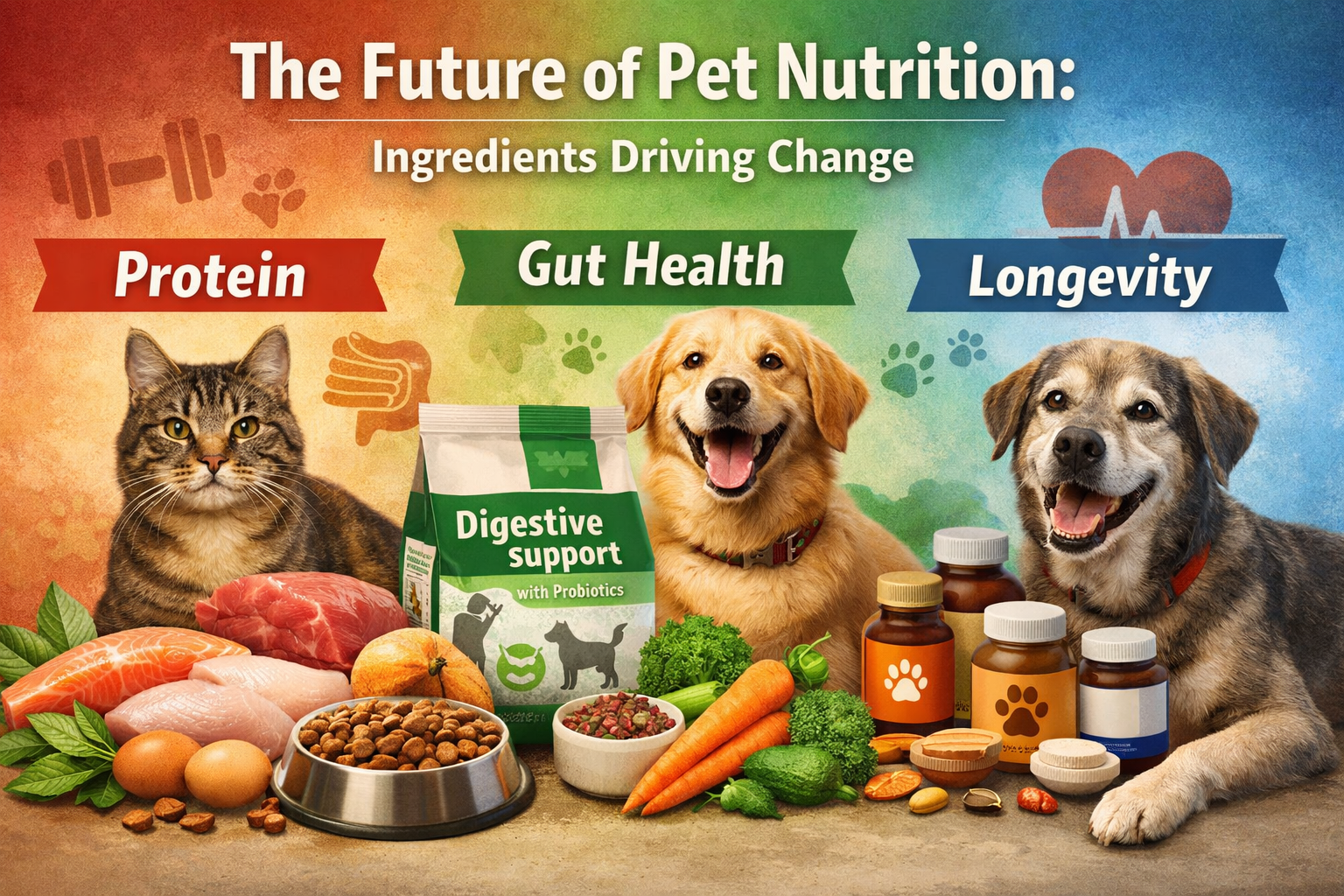
Consumers are rethinking pet nutrition through ingredients. This shift is redefining how pet food brands win trust and drive growth.
A quiet but consequential shift is underway in how consumers around the world relate to the food they buy. They are no longer simply eating – they are engineering their health outcomes. And as goes the human food aisle, so, with a short lag, goes the pet food shelf.

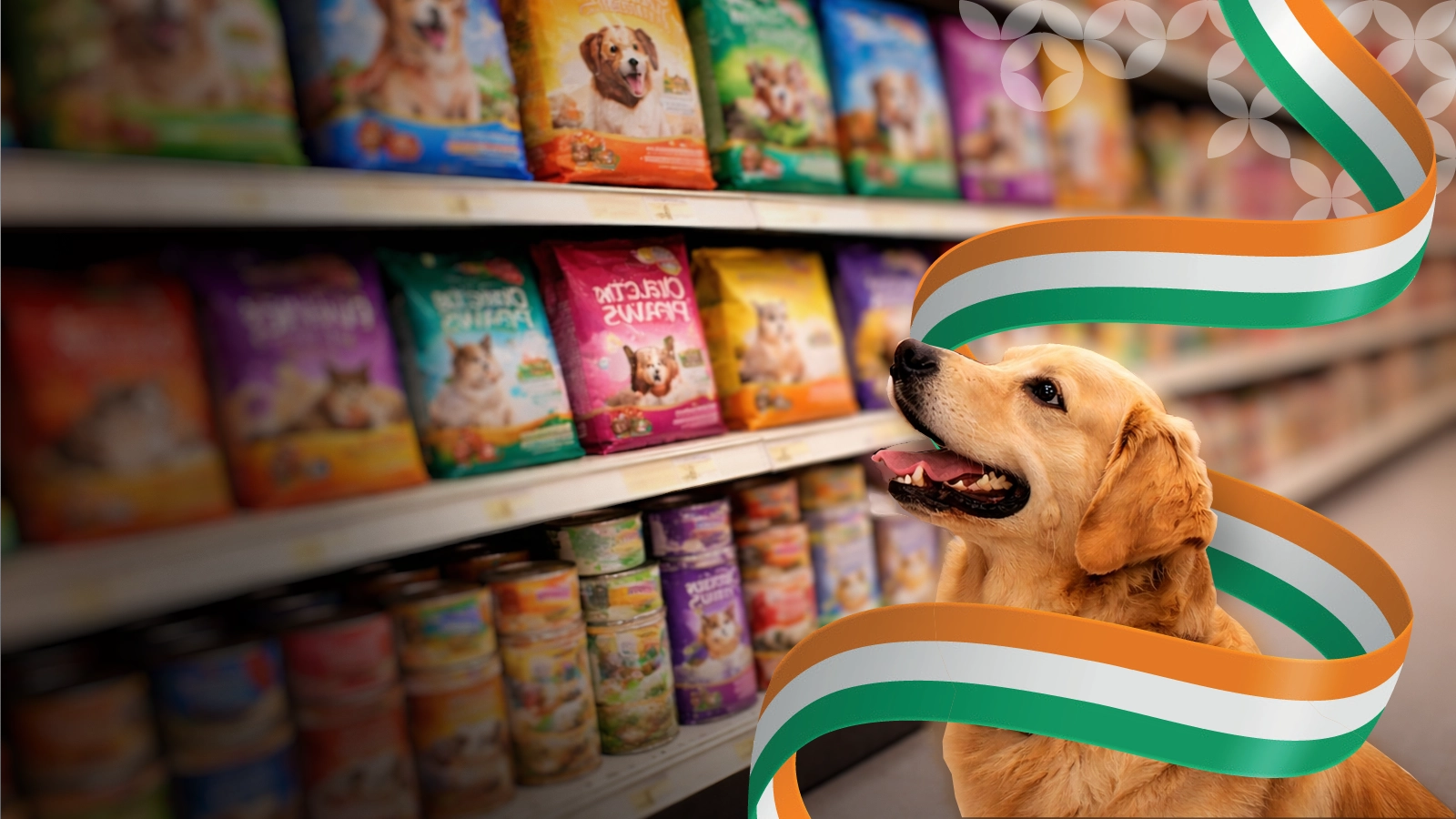
Global research tracking ingredient trends in food and beverage markets has identified three dominant consumer strategies now shaping purchasing decisions. On the surface, these may sound familiar. Beneath it, something more significant is happening – a fundamental renegotiation between consumers and the food industry, with direct implications for pet nutrition brands in mature Western markets and fast-growing ones like India alike.
The Three Strategies Driving Ingredient Decisions
Consumers today approach ingredient decisions through one or often all three lenses:
- Build from within
- Stay close to nature
- Leave out what does not belong
These are not competing approaches. They overlap, and many consumers apply all three simultaneously. A shopper choosing a high-protein product may also demand that it is free of artificial preservatives and made from recognisable ingredients.
How the Numbers Break Down
Among global consumers in 2025, healthy eating approaches were distributed as follows:
30%: Naturalness – choosing foods for their inherent, unprocessed nutrition
29%: Reduction – cutting sugar, salt, and fat
23%: Enhanced nutrition – actively seeking functional ingredients
18%: No additives – avoiding synthetic compounds entirely
The Consumer Has Become Their Own Health Manager
A significant majority of global consumers – consistently in the high seventies, percentage-wise – say eating healthy food is important to them. More tellingly, a comparable share reports becoming more self-reliant in managing their health, taking proactive steps rather than relying solely on medical professionals.
What this has translated into, practically, is near-pharmaceutical scrutiny of ingredient labels. The ingredient list, long buried on the back of a pack in small print, has effectively migrated to the front. It has become the product.
The Say-Do Gap – A Caution for Brands
Not everything consumers say translates into what they do. Key gaps to note:
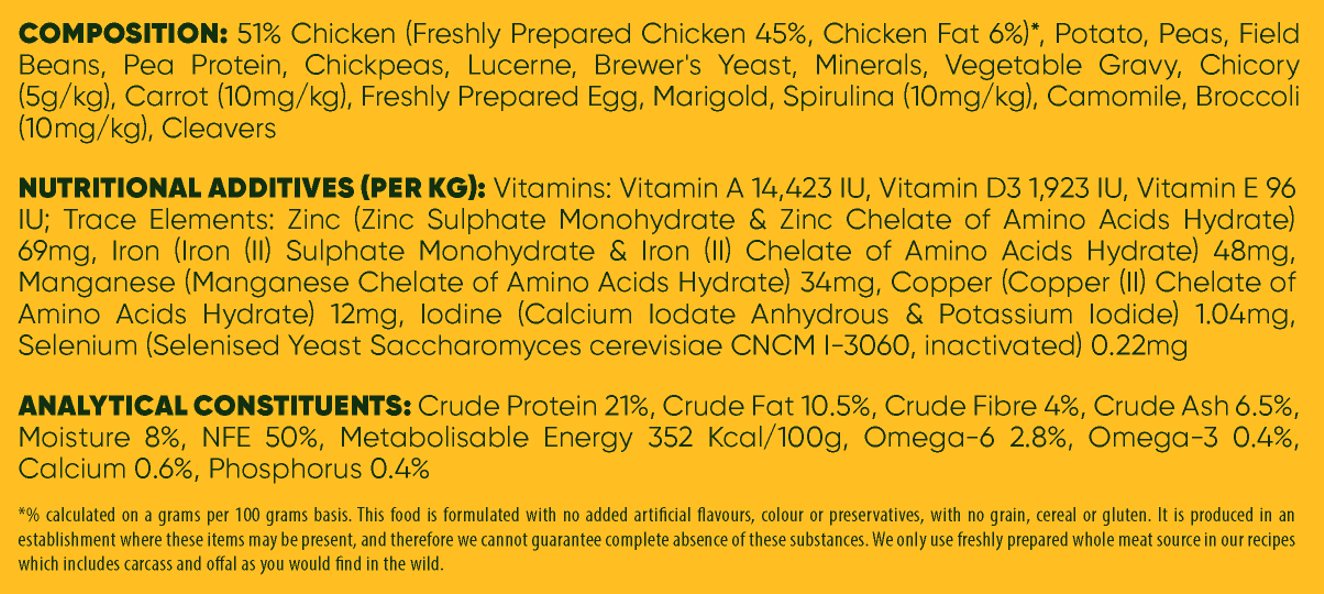
Many consumers claim to read ingredient lists carefully; fewer do so consistently in practice
Pet owners who say they will pay a premium for functional ingredients or sustainability claims do not always follow through at checkout
Brands that over-invest in claims without building corresponding consumer awareness risk spending without returns
This gap matters. It is not a reason to abandon ingredient-led positioning – it is a reason to invest in education and habit-building alongside product development.
Protein: The Headline Ingredient Across Both Plates
Protein has led the ingredient conversation in human food for several years, sitting at the heart of the ‘build from within’ strategy. Roughly 58 per cent of global consumers say they are actively incorporating more protein into their diets. The pet food category has followed in lockstep.

In Pet Food
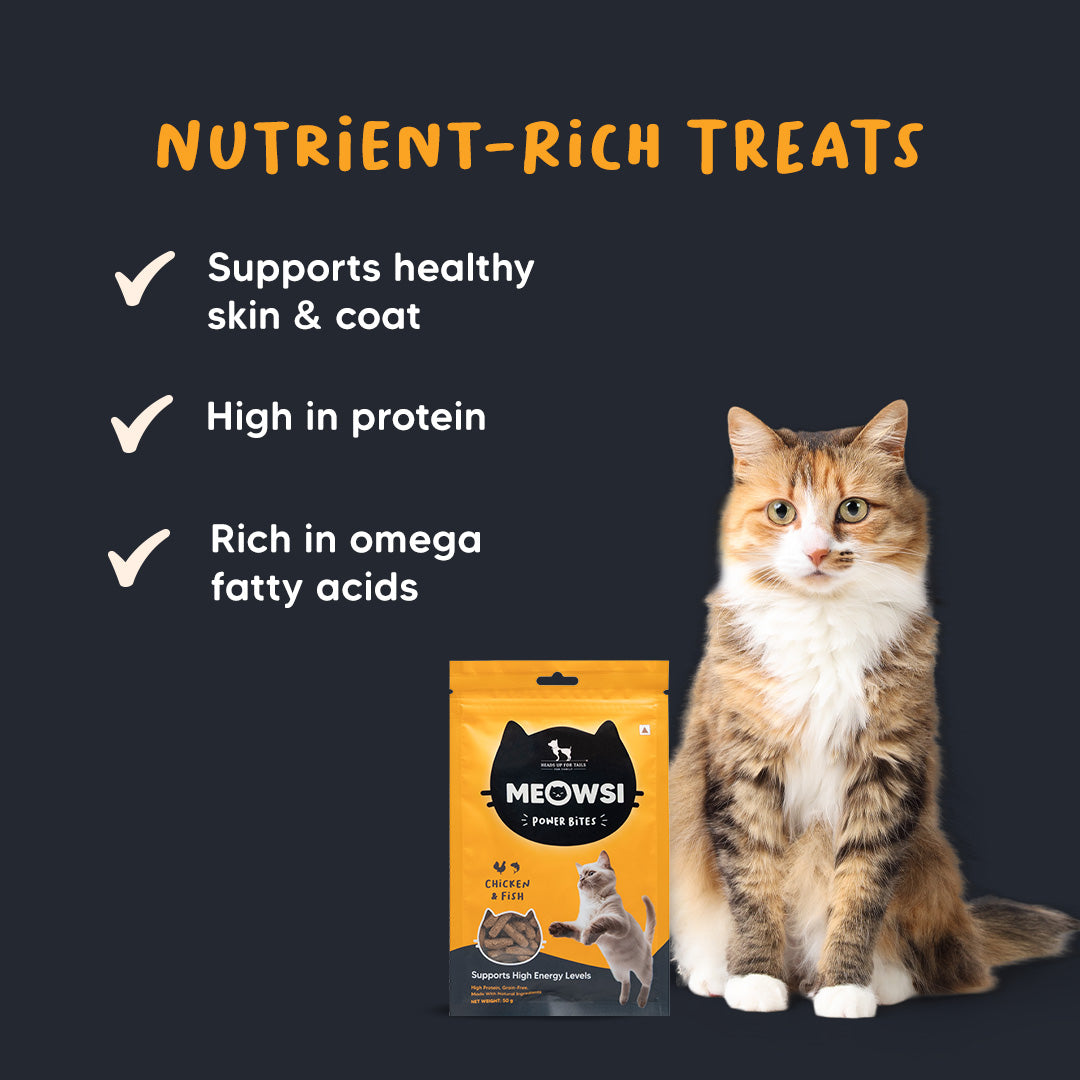
High protein is the leading claim on pet food products actually purchased, at nearly 44 per cent of surveyed buyers in available market data
A large proportion of pet owners say they would pay a premium for functional ingredients, with protein consistently ranking at the top of that list
In India
Decades of research have documented widespread protein deficiency in the Indian diet – consumer awareness of this is now high
Urban consumers are actively seeking protein across dairy, pulses, eggs, and plant-based formats
Premium Indian pet food brands that lead with protein credentials are well-positioned with the urban millennial pet owner
What Is Changing
Protein is no longer a standalone claim. Globally:
Combinations of protein with at least one other health benefit increased by nearly a third in a single year
The protein + weight management pairing grew by 66 per cent – linked to the rising use of metabolic health medications
In cat food specifically, weight management claims are beginning to influence purchase decisions – a category that has traditionally been driven almost entirely by palatability
Gut Health: From Trend to Table Stakes
Half of global consumers now say they consider gut health important for overall systemic well-being – not just digestive comfort. This has elevated gut health from a wellness niche to a mainstream formulation priority.
The Ingredient Shift
Fibre is making a significant comeback as a gut health ingredient – nearly half of global consumers say they now seek it actively
Product launches combining gut health claims with high-fibre credentials are growing rapidly
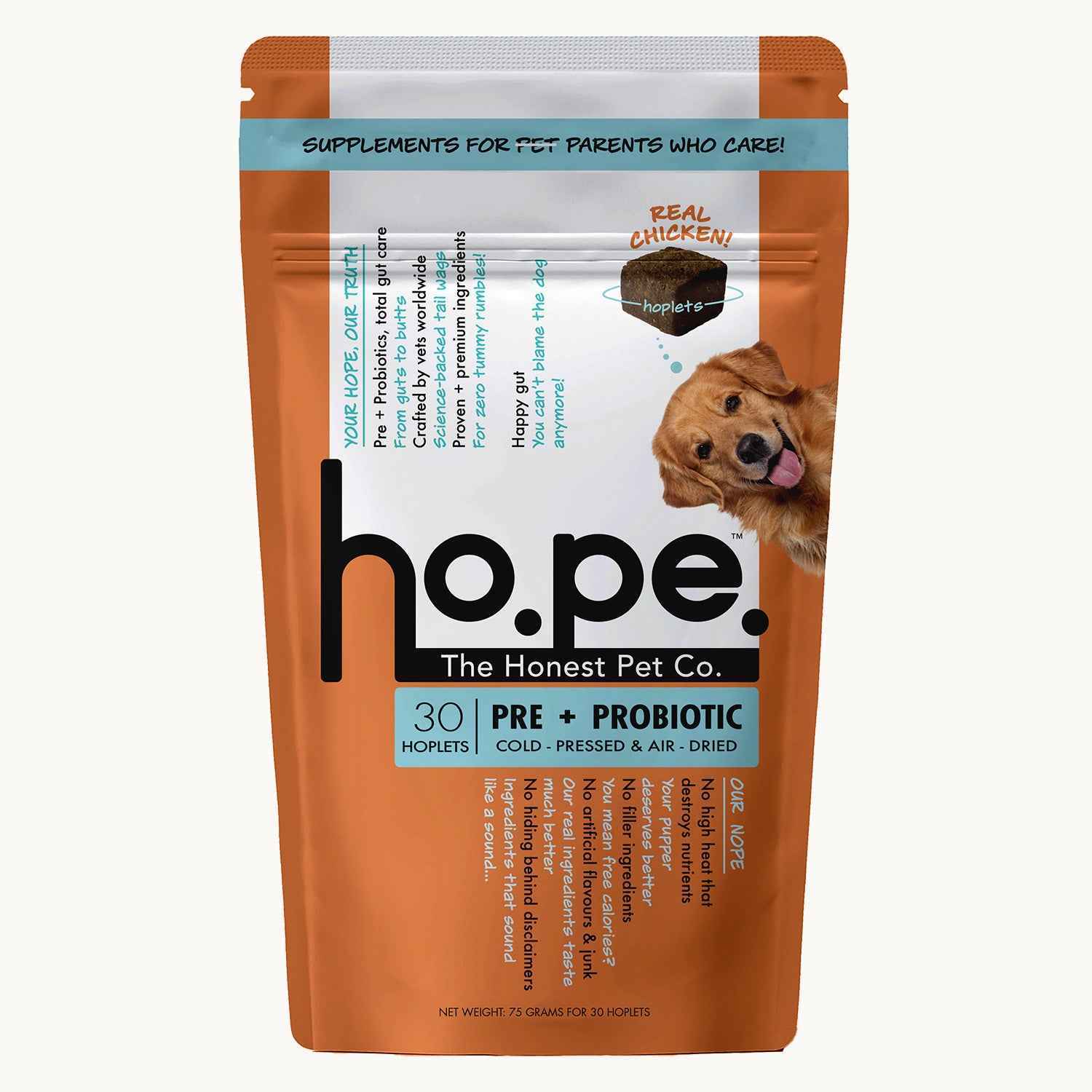
Probiotics remain relevant, but regulatory constraints in several markets have created space for fibre-based and prebiotic positioning to grow
In Pet Food
Digestive health ranks as the top health-related claim influencing actual pet food purchase decisions in major markets
The microbiome – as a broader concept encompassing immunity, mood, and longevity – is appearing with growing frequency in product launches
India’s premium pet food segment is beginning to see this vocabulary enter product communication, though it remains early-stage
Longevity: Feeding for a Longer, Better Life
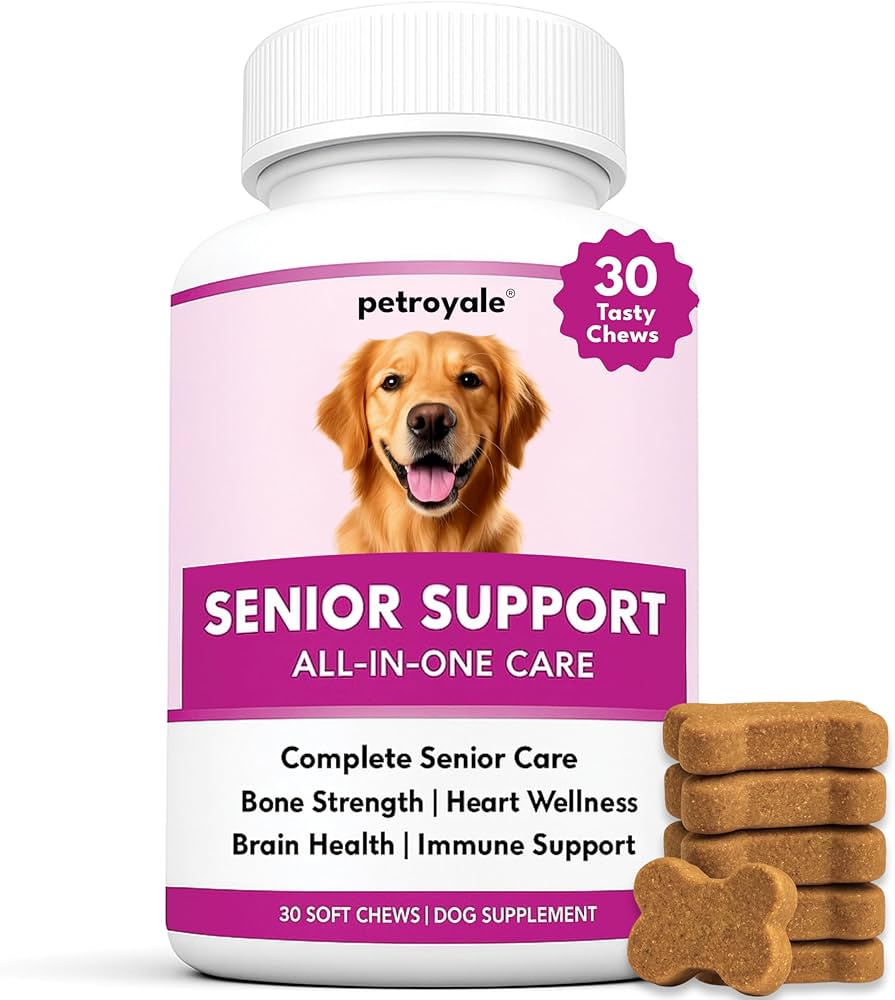
Consumers today want to live well for longer – not just live longer. Healthy ageing, as a consumer concept, encompasses maintaining mobility, physical vitality, and cognitive sharpness well into later years.

Key Ingredients in Focus
Antioxidants – for cellular protection and inflammation management
Creatine – increasingly positioned beyond sport into everyday vitality
Specific vitamins and minerals linked to bone, joint, and cognitive health
In Pet Food
More than 80 per cent of pet owners in some markets say they are interested in products that could extend their companion animals’ healthy lifespan
As pets live longer – partly because nutrition and veterinary care have improved – the ageing conversation is maturing
The industry is shifting from reactive care models, which address conditions once they emerge, to proactive intervention that targets the underlying biological processes of ageing
This is exactly the model human nutraceutical and functional food brands have been using for years – pet food is now adopting it
The Indian Opportunity: Reading Global Signals With Local Intelligence
For brands operating in India – whether in human food or pet nutrition – the opportunity lies in applying global ingredient intelligence to a distinctly Indian consumer reality.



What the Indian Consumer Brings to the Table
Health-aware but price-sensitive – the premium must be justified clearly
Drawn to natural, Ayurvedic, and traditional ingredient narratives
Sceptical of excessive additives and synthetic compounds, even if they do not consistently read every label
Increasingly self-informed through digital health communities, influencer content, and direct research
The Urban Indian Pet Owner
Typically, a millennial living in a metro or Tier 1 city treats a pet as a family member
Mirrors the global ingredient-conscious consumer more closely than mass-market assumptions might suggest
Actively researching, comparing, and willing to spend – provided the rationale is credible
The Window for Brands
The Indian pet food market is still in its growth phase. The cost of building ingredient credibility now – through formulation, labelling, and communication – is far lower than the cost of repositioning once the market matures and competition intensifies.
The Bottom Line
The ingredient is no longer a technical detail confined to the R&D team. It is the brand story.
Whether you are selling a high-protein pet treat, a gut-supportive supplement, or a functional oil for a human kitchen, the consumer – standing in front of the shelf or scrolling on a phone – is asking the same question:
What is actually inside, and what will it do for me – or for the animal I love?
That question, asked consistently across markets and categories, is the single most important trend shaping both plates and bowls in the years ahead.
References
Ingredient & Consumer Trends – Global
Innova Market Insights. (2025). Top Global Ingredient Trends 2026. Innova Market Insights Webinar Series. https://www.innovamarketinsights.com
Innova Market Insights. (2025). Top Ten Trends for 2026. https://www.innovamarketinsights.com/trends/top-ten-trends-2026/
Protein in Human Food
Food and Agriculture Organization of the United Nations. (2013). Dietary Protein Quality Evaluation in Human Nutrition. FAO Food and Nutrition Paper 92. https://www.fao.org/publications
FSSAI & Protein Foods and Nutrition Development Association of India. (2020). Right to Protein: Protein Consumption Survey. https://www.righttoprotein.com
Protein & Gut Health in Pet Food
American Pet Products Association. (2024). APPA National Pet Owners Survey 2023–2024. https://www.americanpetproducts.org/research
NielsenIQ. (2025). Pet Care Trends Report 2025. https://nielseniq.com/global/en/insights/
Gut Health – Human Food
International Food Information Council. (2024). IFIC Food and Health Survey 2024. https://ific.org/research/food-and-health-survey/
Holscher, H. D. (2017). Dietary fibre and prebiotics: Effects on the microbiome. Gut Microbes, 8(2), 172–184. https://doi.org/10.1080/19490976.2017.1290756
Healthy Ageing & Longevity
World Health Organization. (2022). Decade of Healthy Ageing: Baseline Report. https://www.who.int/publications/i/item/9789240017900
Singh, M., & Banerjee, R. (2023). Functional ingredients and healthy ageing in South Asian populations. Journal of Nutritional Science, 12, e45. https://doi.org/10.1017/jns.2023.45
Pet Humanisation & Longevity
ADM. (2024). Outside In: ADM’s Global Consumer Trends Report – Pet Edition. https://www.adm.com/en-us/insights
Laflamme, D., Abood, S., Fascetti, A., et al. (2008). Pet feeding practices of dog and cat owners in the United States and Australia. Journal of the American Veterinary Medical Association, 232(5), 687–694.
India – Pet Market
Euromonitor International. (2024). Pet Food in India: Country Report. https://www.euromonitor.com
IMARC Group. (2024). India Pet Food Market: Size, Share, Trends and Forecast 2024–2032. https://www.imarcgroup.com/india-pet-food-market