Great Activations: Adidas – Runner 321
How Adidas turned a marathon bib into a lasting inclusion system, proving real brand purpose is built by redesigning structures, not campaigns.
When a Bib Number Became a Movement
In 2023, Adidas launched Runner 321-not as a campaign in the traditional sense, but as a structural intervention inside global marathon culture. Instead of ads, films, or endorsements, Adidas changed something far more permanent: who gets seen on race day.
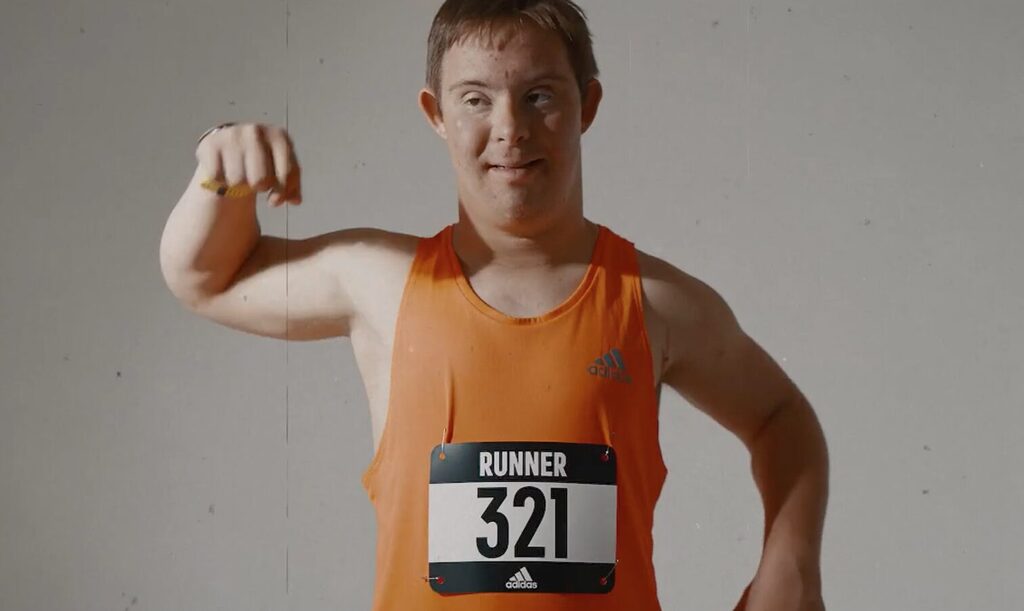
Runner 321 ensures that bib number 321 is reserved for qualified neurodivergent runners, particularly athletes with Down syndrome, at major international marathons. The number itself is symbolic – Trisomy 21, the genetic condition that causes Down syndrome, is globally recognised on March 21 (3/21).
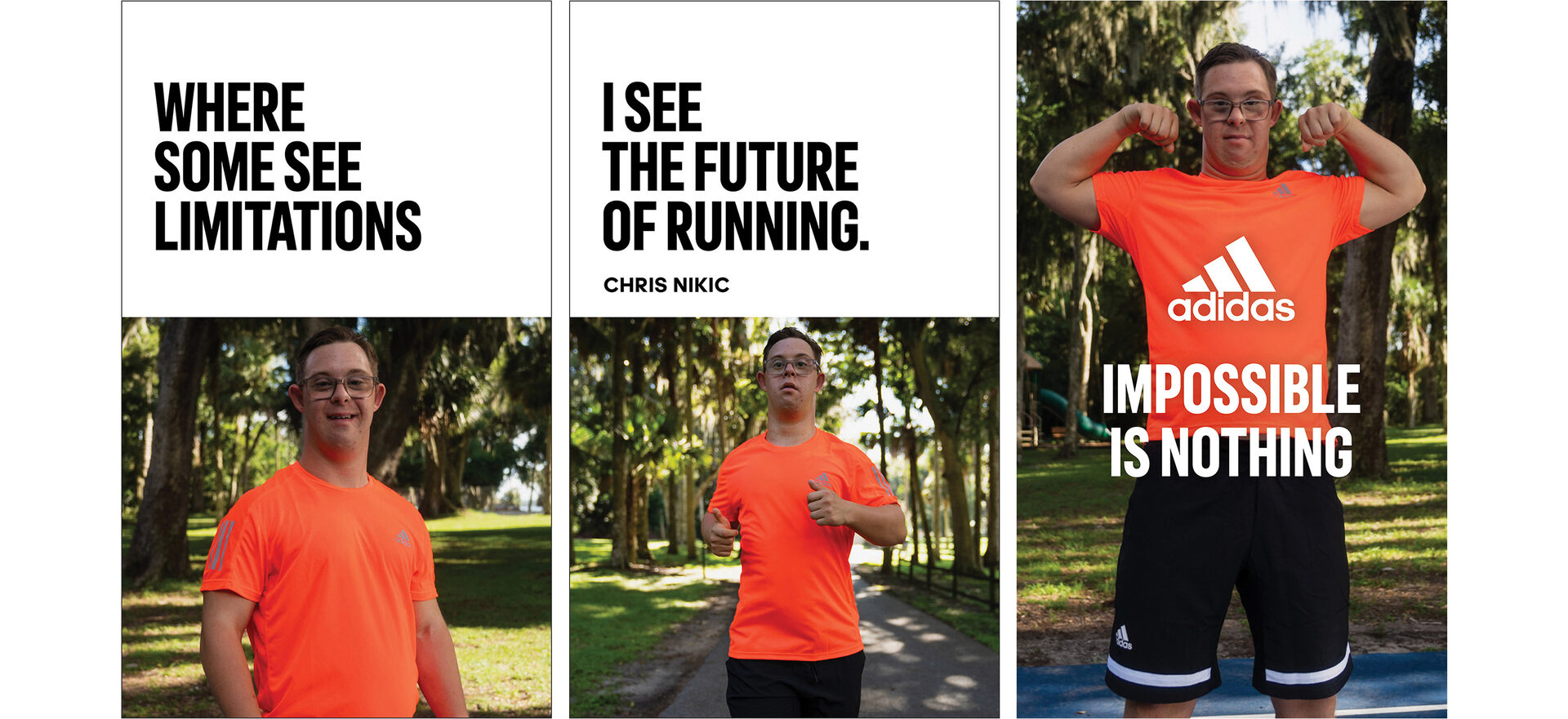
The idea debuted on World Down Syndrome Day, with Chris Nikic wearing bib 321 at the Boston Marathon. Nikic was already a history-maker: the first person with Down syndrome to complete an Ironman and Adidas’ first sponsored athlete with the condition. Runner 321 turned his individual achievement into a repeatable system.
The Real Problem Adidas Chose to Solve
This wasn’t about awareness. Adidas already dominates awareness.
The real issue was absence.
- Neurodivergent athletes were running, but invisible
- Fitness for people with Down syndrome is often discouraged, not celebrated
- Even when they qualify, they disappear into the crowd – literally and culturally
Despite extensive research demonstrating that endurance training improves cognition, cardiovascular health, and confidence among people with Down syndrome, elite sport rarely reflects this reality.
Adidas didn’t try to tell this story.
It decided to embed it into the race itself.
The Core Idea (And Why It’s So Smart)
Marathons are visual chaos: tens of thousands of runners, identical bibs, fleeting media attention.
Runner 321 introduced a beacon.
- One number
- Always visible
- Always meaningful
- Always tied to a real athlete
By reserving bib 321 permanently for neurodivergent runners, Adidas created:
- Visibility without spectacle
- Inclusion without tokenism
- Impact without paid media
Importantly, this required negotiating with marathons sponsored by rival brands, including Nike, ASICS, and others. Adidas deliberately chose cooperation over brand ego, ensuring the number remained reserved regardless of sponsor politics.
That decision is one of the campaign’s least talked-about and most radical moves.
How It Was Executed
- Bib 321 formally reserved at World Marathon Majors
- Chris Nikic ran first, opening applications globally
- Neurodivergent runners applied, qualified, and earned the bib on merit
- A single case film documented the idea – no media buying
- Momentum spread organically through running communities, families, and the press
By design, there were no discounts, no product pushes, and no “cause merch”.
The brand stepped back. The system did the talking.
Results That Actually Matter
- 278+ neurodivergent athletes signed up organically
- 268 million earned impressions with minimal spend
- 92% positive sentiment across social and press
- 33+ new marathon inclusions, with bib 321 now institutionalised
- Parents and coaches globally cited the initiative as “proof of possibility”
In other words, Runner 321 didn’t just change perception-it changed access.
Lesser-Known Trivia
- The idea grew out of FCB’s long-standing work with the Canadian Down Syndrome Society, not a one-off brief
- No charity donations were positioned upfront; representation came first
- Several Olympic athletes offered informal training support to Runner 321 participants
- Adidas committed to keeping the initiative open-ended, not calendar-bound
Why Runner 321 Will Outlast Most “Purpose Campaigns”
Runner 321 works because it doesn’t ask for applause.
It doesn’t rely on:
- Emotional manipulation
- One-time storytelling
- Brand virtue signalling
Instead, it quietly answers a harder question:
What if inclusion wasn’t something brands talked about-
But something they permanently designed into the system?
Adidas didn’t say “sport is for everyone.”
It made sure everyone could be seen, proving it.
And that’s why Runner 321 isn’t a campaign.
It’s infrastructure.