Burnt, Then Burnished – What Brands That Survived Public Backlash Did Differently
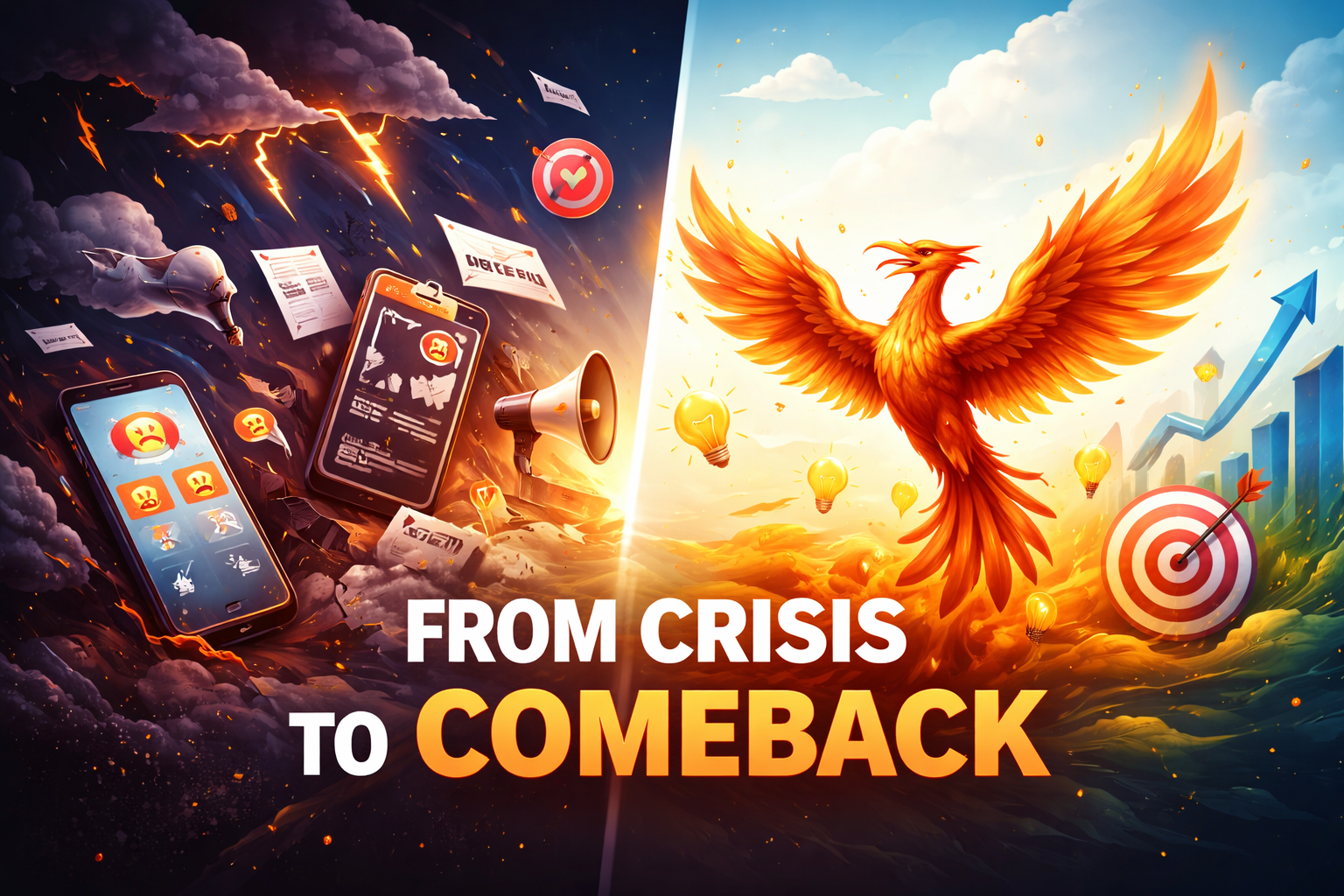
Brands don’t break under backlash; they reveal their true identity. Lessons from various brands on turning crisis into clarity.
There is a particular kind of panic that sets in when a brand becomes a trending topic for the wrong reasons.
The notifications multiply. The screenshots circulate. Somewhere in a boardroom, someone is drafting a crisis statement they will later regret.
Most brands in this situation do one of two things: capitulate loudly or go silent and wait it out. Neither tends to work.
A more interesting question is what happens when a brand neither folds nor retreats, but instead holds its nerve and comes out the other side with a sharper identity than it had going in.
That is not luck. It is strategic clarity – the kind most marketing teams discover only when they have no other choice.
The Jaguar Lesson: When the Car Disappears and the Brand Gets Louder

In November 2024, Jaguar released a short teaser video to announce its rebrand.
The clip featured models in futuristic outfits and language about breaking norms. There was no car in it. Not a wheel, not a grille, not a single mention of horsepower.
The internet responded predictably. The criticism was vicious, personal, and global. The internet directly targeted JLR’s marketing leadership.
Within weeks, the narrative shifted.
When Jaguar revealed the Type 00 concept car at Miami Art Week in December, the press was rapturous. The same media cycle that had savaged the teaser now celebrated the vehicle.
The numbers tell the story:
• Zero dollars spent on paid media
• One post on X triggered the entire storm… and the recovery
• The car appeared at the NBA All-Star Weekend in February, repositioned around style and originality
JLR’s marketing leadership later said the team came out of it feeling stronger, not shaken. The backlash had forced Jaguar to articulate, under pressure, exactly what it was becoming.
The insight here is not that controversy is a strategy. It is that Jaguar was positioned as worth defending. The pressure to defend it made the brand clearer.
Panera’s Retreat That Wasn’t
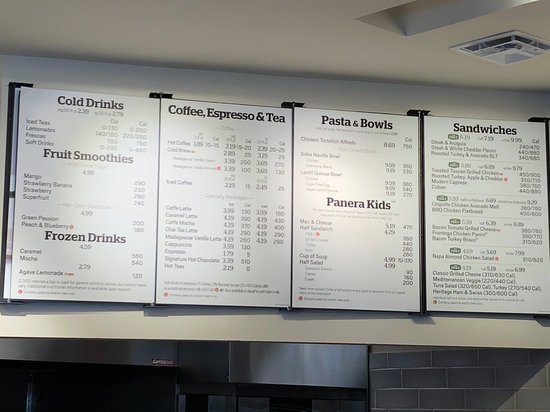
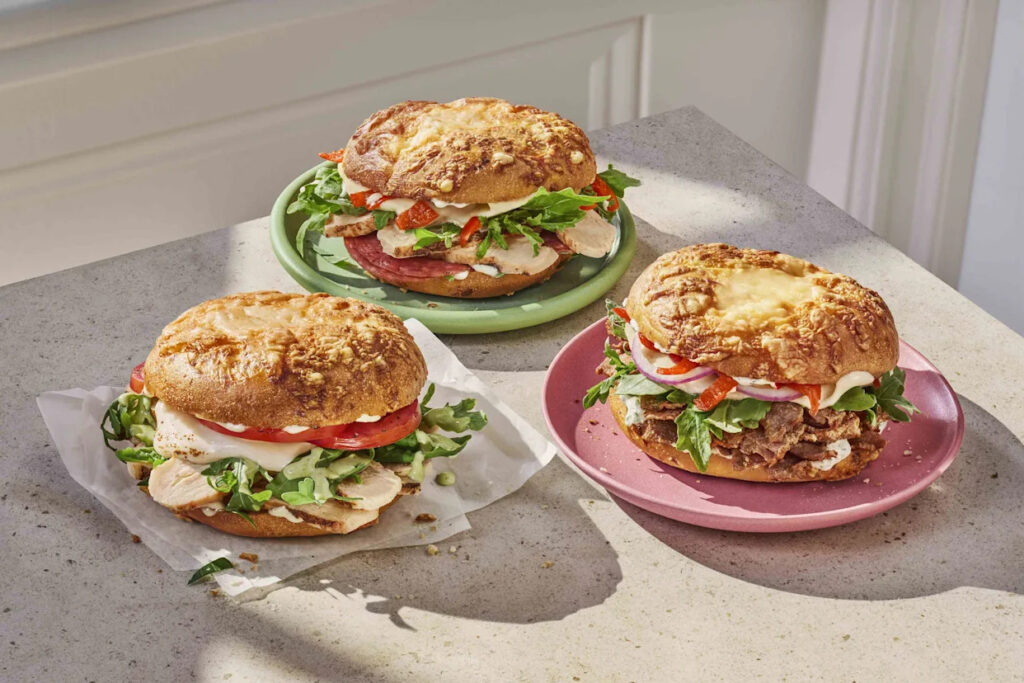
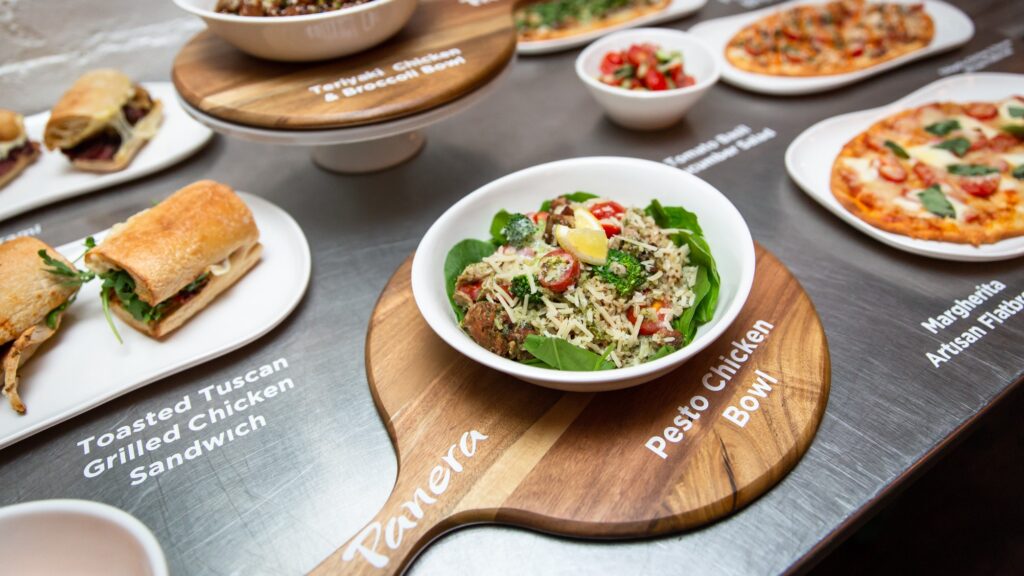
Panera Bread cut roughly 30 per cent of its menu in April 2024.
For a brand built around abundant, customisable options, this decision was not a small call. Vegetarian offerings disappeared. Traffic to digital channels dropped sharply, almost overnight.
Panera’s digital leadership did something counterintuitive. Instead of defending the decision, they shifted to a guest-help mentality.
The communications stopped being about Panera. They began focusing on helping confused customers figure out what to order.
Most brands facing this kind of confusion reach for reassurance:
• We are still the same brand
• We still care about you
• Nothing really changed
Panera said the opposite: things changed; here is what you should try now.
That honesty, paired with practical helpfulness, kept customers on side through a transition that could easily have felt like abandonment.
India Has Its Own Version of This Story
Indian brands have navigated backlash under conditions that are, in many ways, more volatile than anything Jaguar or Panera faced.
The combination of hyperactive social media, politically charged consumer sentiment, and the particular intensity of Indian brand loyalty and brand fury creates a pressure cooker that few global playbooks are designed to handle.
Tanishq: The Gold Standard in Holding Ground

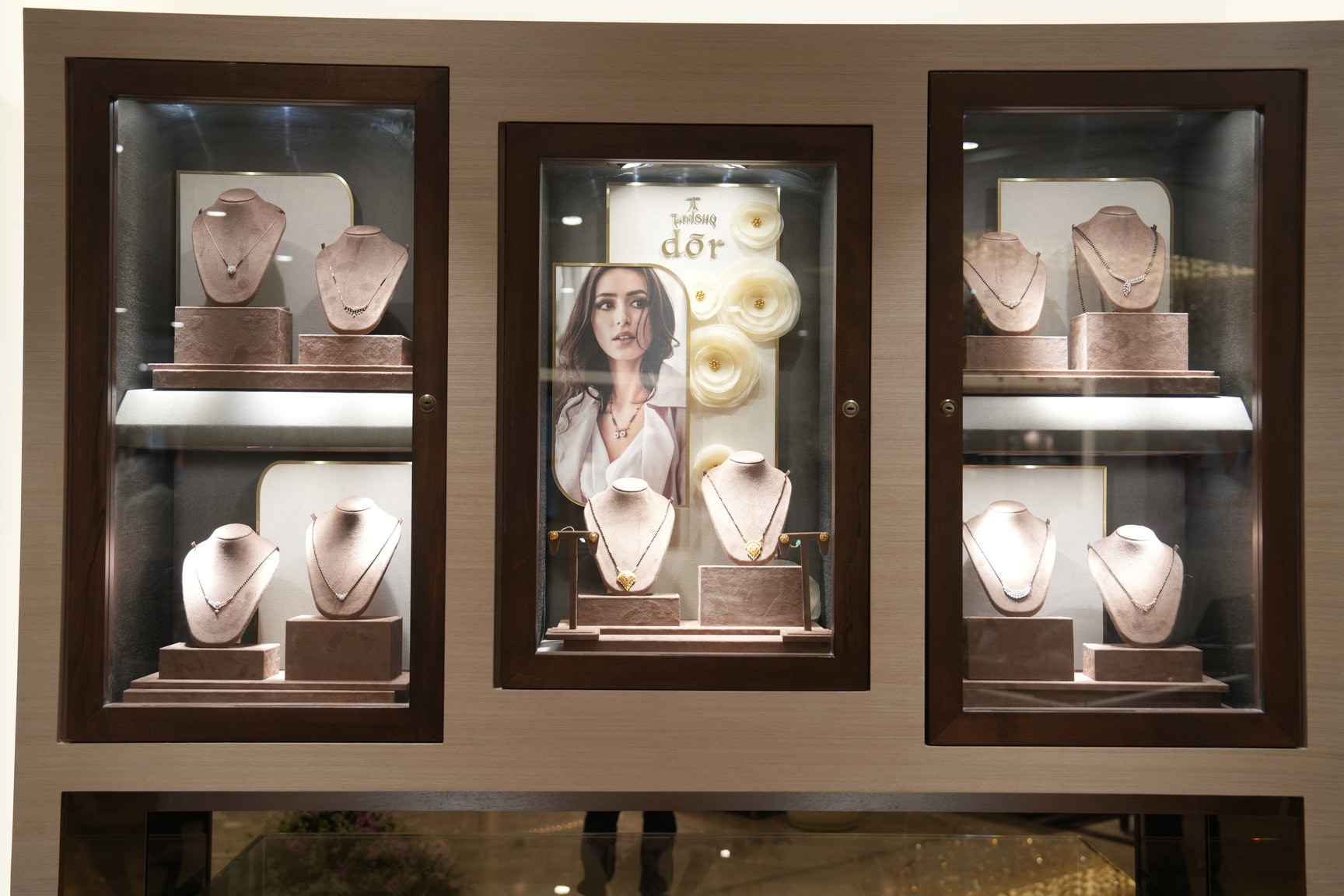
In October 2020, Tanishq released an advertisement as part of its Ekatvam campaign.
The film depicted a Hindu daughter-in-law receiving a baby shower from her Muslim in-laws, adhering to her own faith’s traditions. The intent: celebrate India’s syncretic culture.
The backlash was immediate. Calls for a boycott flooded social media. Threats were made. Within days, Tanishq pulled the advertisement.
This appeared to be a brand blinking at the time.
But watch what happened next. In the months and years that followed:
• Tanishq remained one of the most celebrated jewellery brands in India
• Sales did not collapse
• Brand equity, measured by consumer trust surveys, held firm
What the episode revealed was uncomfortable: the loudest voices in a backlash are not always representative of your actual customer base.
Tanishq’s buyers – urban, aspiring, emotionally invested in the brand’s positioning around women’s agency- did not abandon the brand. They kept buying.
The lesson is not whether pulling the advertisement was right or wrong. It is brand equity built over decades that can absorb shocks that look fatal at the moment. The identity had roots.
Zomato and the Art of Not Apologising
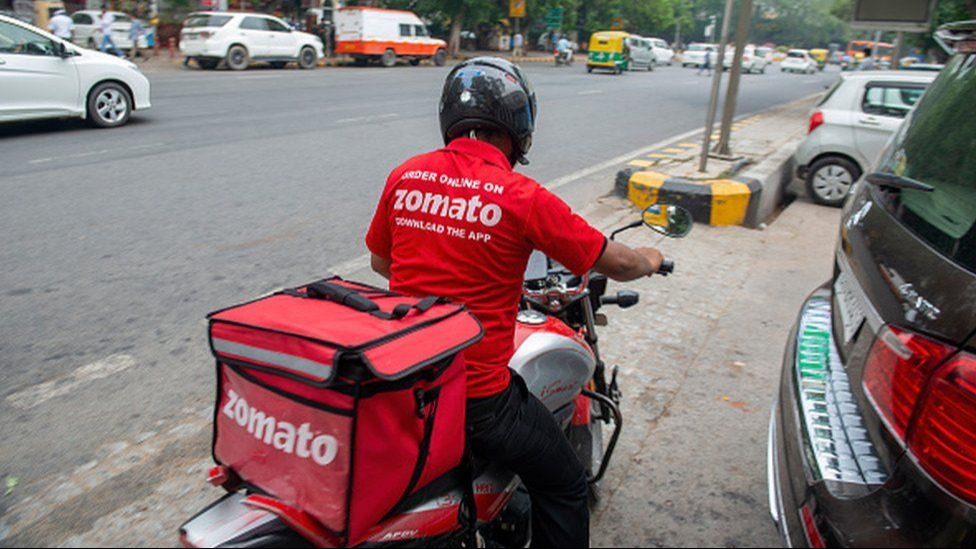
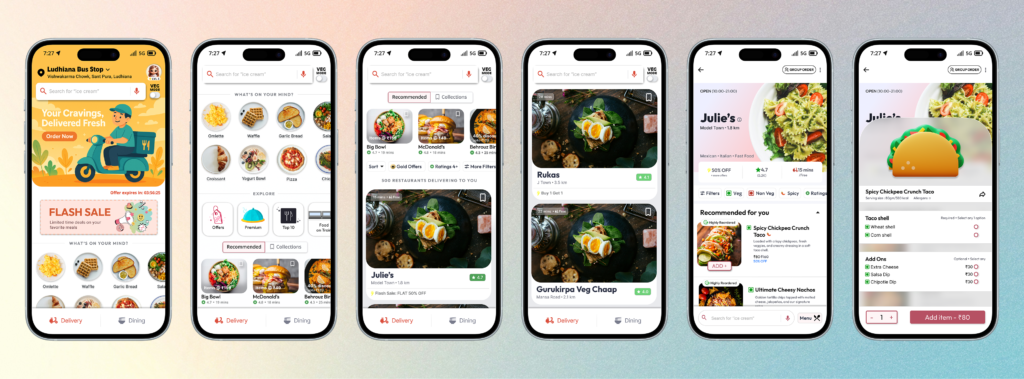
Zomato has been at the centre of multiple controversies:
• The ‘Pure Veg’ delivery fleet, which drew accusations of discrimination
• The Blinkit pivot that alienated food delivery, workers
• A hiring initiative that required applicants to pay a fee – called ‘exploitative and tone-deaf’
The brand’s response across each of these has been notably consistent: engage, sometimes deflect with humour, but do not grovel.
Zomato’s audience expects the brand to be opinionated, occasionally provocative, and willing to defend its choices. When it behaves this way, even under fire, it reads as authenticity rather than arrogance.
The brand does not always win the argument. But it never loses itself in trying to placate.
Paper Boat: Staying Small When the Pressure Is to Scale

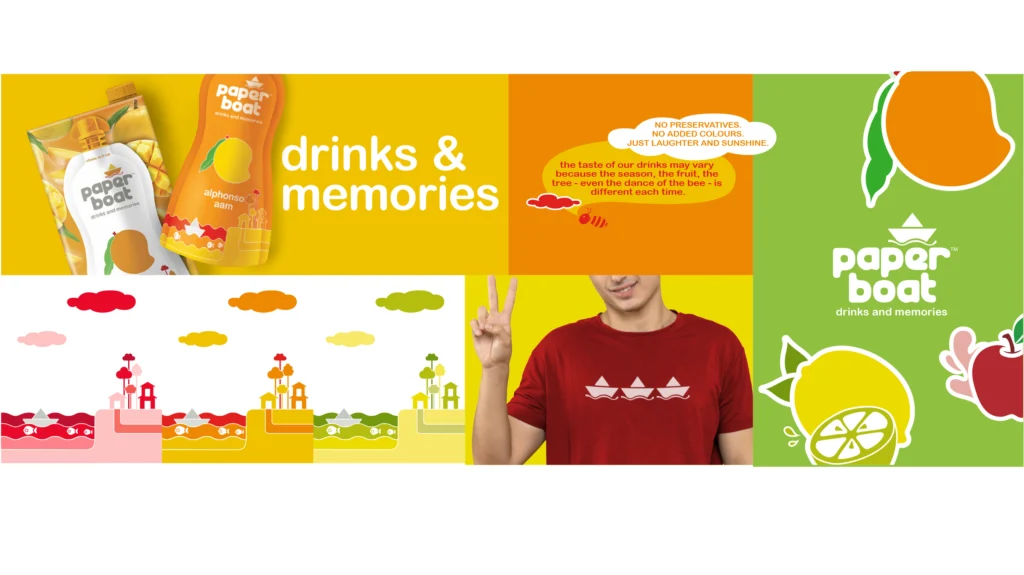
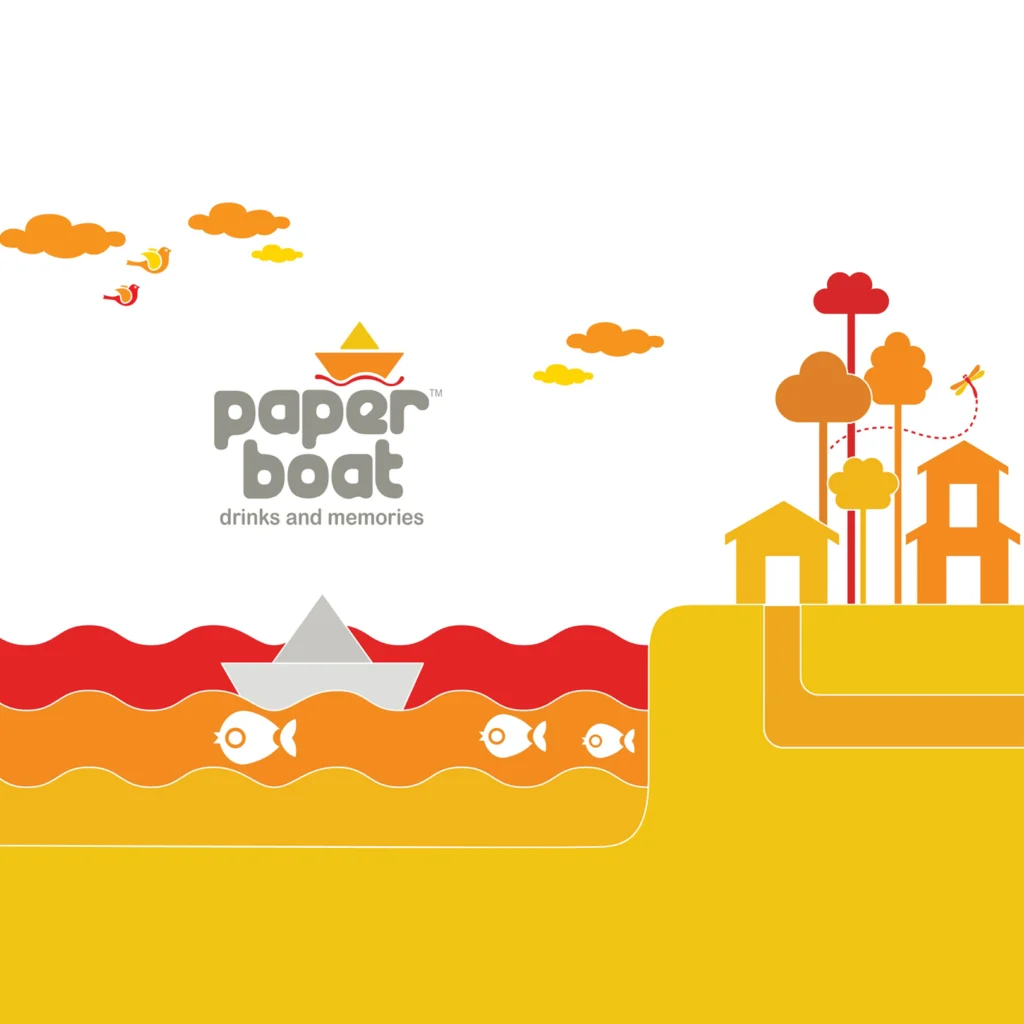
Paper Boat built its brand on nostalgia – aam panna, jaljeera, kokum, and a tone of voice that was almost literary in its softness.
As it grew, the pressure mounted: modernise the packaging, sharpen the marketing, and compete harder on the shelf.
Paper Boat held its aesthetic instead. It kept:
• The hand-drawn illustrations
• The long-copy label text
• The unhurried, reflective brand voice
When critics questioned whether the premium pricing was justified, the brand did not shift its register. It stayed in character.
This is a different kind of backlash – not a viral controversy, but the sustained pressure of a market telling you to be something else.
Paper Boat’s refusal to become a commodity, despite the economics that might have justified it, is its own form of brand courage.
The Pattern Underneath
Line up Jaguar, Panera, Tanishq, Zomato, and Paper Boat, and something becomes clear.
The brands that emerged from the backlash stronger were those with authentic responses. They were the ones who already knew who they were.
In each case:
• Jaguar had a creative direction it believed in, even if the execution confused people
• Panera had a genuine commitment to the guest experience, expressed through honest communication
• Tanishq had an equity reserve built over decades of consistent positioning
• Zomato had a character consistent enough to be recognisable even in defensiveness
• Paper Boat had an aesthetic it refused to dilute
The backlash did not define any of them. It revealed them.
Their response to pressure was a continuation of what they had always been doing – just under a spotlight. That continuity is what reads as strength.
What This Means for Indian Marketers
The Indian market is particularly unforgiving of brands that seem to stand for nothing.
Consumers here are sophisticated enough to detect when a brand is apologising not because it believes it was wrong, but because the noise got too loud. That kind of capitulation tends to invite more aggression, not less.
The question worth sitting with is not, ‘How do we avoid controversy?’ That leads to safe, forgettable marketing.
The better question: if we came under fire tomorrow, would we know what to defend?
If the answer is yes, backlash becomes an asset. It puts the brand on record. It clarifies the position. It filters the audience down to the people who actually care about what you are building.
If the answer is no, then crisis management is the wrong problem to be solving.
Brand positioning is.