Taste, Price, Culture: The Real Rules of India’s Health Food Market
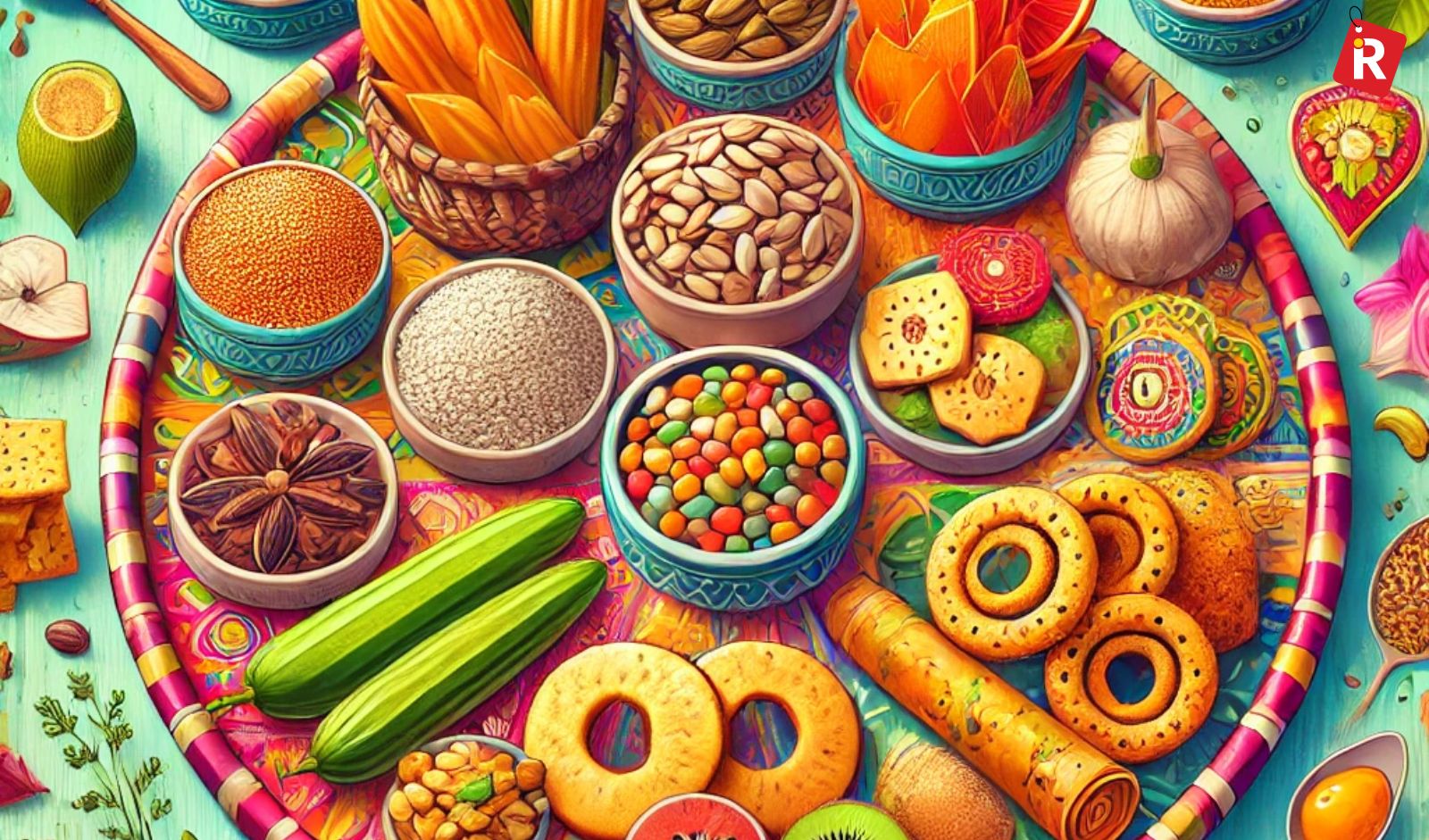
Indian consumers want familiar foods made healthier. From millet snacks to protein lassi, the future lies in reinventing local favorites, not fads.
Most Indian food brands today are making the same mistake: they’re trying to sell avocado toast to a nation raised on aloo paratha.
You can pitch cold-pressed juices, kombucha, and kale chips all day long — but the truth is, India is not a “health-conscious” country. We’re a taste-loyal, price-sensitive, and deeply cultural food nation. And that changes the entire game.
India’s Reality: Taste First, Health Later
Yes, Gen Z is on Instagram talking about gut health, plant-based diets, and cutting down dairy. But they make up less than a third of the population.
The real mass market — Tier 2, Tier 3, and even middle-class households in Tier 1 — live by food traditions:
- Punjab: ghee-laden parathas with makhan
- Gujarat: theplas, fafda, jalebi for breakfast
- Maharashtra: misal pav and vada pav
- Tamil Nadu: idli with ghee podi and filter coffee
- Kerala: red rice, sambar, and banana chips
For these audiences, “healthy” often means foreign and unrelatable. Try selling kale smoothies in a city where sugarcane juice is considered a natural detox.
Even within families, the generational gap is visible. Younger consumers experiment with oat milk; their parents believe haldi doodh cures everything.
Why “Healthy” Often Fails in India
The problem is not with the intention of health brands but with the approach.
Most startups define “healthy” from an urban lens — quinoa, chia seeds, kombucha, and kale. But in India, three forces dominate food:
- Price – Food is the most price-sensitive category. The ₹20 samosa buyer won’t suddenly pay ₹150 for quinoa chips.
- Culture – People are emotionally attached to their food heritage. Laddoos during Diwali or biryani on Eid can’t be replaced.
- Taste – Ultimately, taste beats everything. You can convince someone to try baked samosas, but not if they taste like cardboard.
That’s why keto cupcakes struggle, but atta noodles win. Consumers want better versions of what they already love, not alien substitutes.
The “Healthier India Play”
The billion-dollar opportunity in Indian food is not in selling “healthy,” but in positioning as “healthier.”
This doesn’t mean radical replacement. It means subtle, believable upgrades:
- From fried to baked → samosas, bhujia, chakli
- From maida to atta/millets → noodles, biscuits, rotis
- From refined sugar to jaggery/stevia → sweets, energy drinks
- From palm oil to cold-pressed oils → namkeen, packaged snacks
This approach respects cultural taste, price points, and consumer behaviour while still nudging people toward better choices.
Who’s Already Winning?
Several brands have cracked this formula:
- Too Yumm! Disrupted the ₹10–₹20 snacking market by positioning baked chips as guiltfree yet tasty.
- Slurrp Farm scaled by turning familiar foods like dosa, pancakes, and cookies into millet-rich, kid-friendly alternatives.
- Amul quietly upgraded staples by launching high-protein milk, lassi, and low-fat paneer — all without alienating traditional consumers.
- Haldiram’s now sells baked bhujia and sev, not just fried namkeen.
- ITC Aashirvaad introduced multigrain atta and high-fiber variants to tap into everyday consumption.
- Guiltfree Industries (owned by RP-Sanjiv Goenka Group), with brands like Snackible and Too Yumm! Brought “healthier snacking” into mainstream retail.
- Paper Boat built nostalgia-led drinks but with lower sugar content than traditional bottled beverages.
These brands didn’t ask Indians to abandon what they loved — they made what they loved, healthier.
The Untapped Regional Potential
India’s diversity makes this play even bigger. Every state has guilty pleasures eaten daily, in massive volumes:
- Rajasthan: Ratlami Sev
- West Bengal: shondesh, mishti doi
- Bihar: litti chokha
- Maharashtra: vada pav, chakli
- South India: banana chips, murukku, payasam
These foods already move millions of plates a day. A simple upgrade — baked, millet-based, jaggery-sweetened, cold-pressed — can unlock mass adoption.
Imagine:
- Protein-packed chole kulche in Delhi
- Low-oil pav bhaji in Mumbai
- Millet dosa batter in Chennai
- Air-fried banana chips in Kerala
This isn’t about chasing niche urban wellness fads. It’s about scaling familiar foods through incremental health upgrades.
Why This Works
The “Healthier India Play” works because it aligns with the three realities of Indian food consumption:
- Price-sensitive → Consumers accept paying 10–20% more for “healthier,” not 5x more for “healthy.”
- Taste-driven → Familiarity ensures adoption; taste ensures repeat purchase.
- Culturally rooted → Upgraded samosas and laddoos still feel “ours,” unlike quinoa muffins or kale salads.
It’s a strategy that bridges aspiration with accessibility.
The Road Ahead
For brands, the opportunity lies in rethinking innovation:
- Instead of launching imported “superfoods”, consider investing in Indian supergrains like ragi, bajra, and jowar.
- Instead of replacing mithai, create low-sugar, high-protein mithai for festivals.
- Instead of niche kombucha, scale herbal tonics, nimbu soda with probiotics, or spiced buttermilk with added protein.
Even global giants are adapting: PepsiCo launched baked Kurkure, Nestlé is experimenting with millet-based Maggi, and Mondelez rolled out low-sugar Bournvita. They understand that the mass market does not desire products labelled as “healthy.” They want “healthier”.
The Billion-Dollar Play
The most significant food opportunity in India isn’t in quinoa chips or keto brownies. It’s in smarter samosas, better bhujia, guilt-free gathiya, and protein-packed laddoos.
Because in India, food is emotion first, health second. And the most innovative brands aren’t trying to fight that truth—they’re working with it.
The future of Indian health food won’t be about importing diets. It will be about upgrading traditions.
That’s the billion-dollar play.


