Great Activations: Oreo – Square Cookies
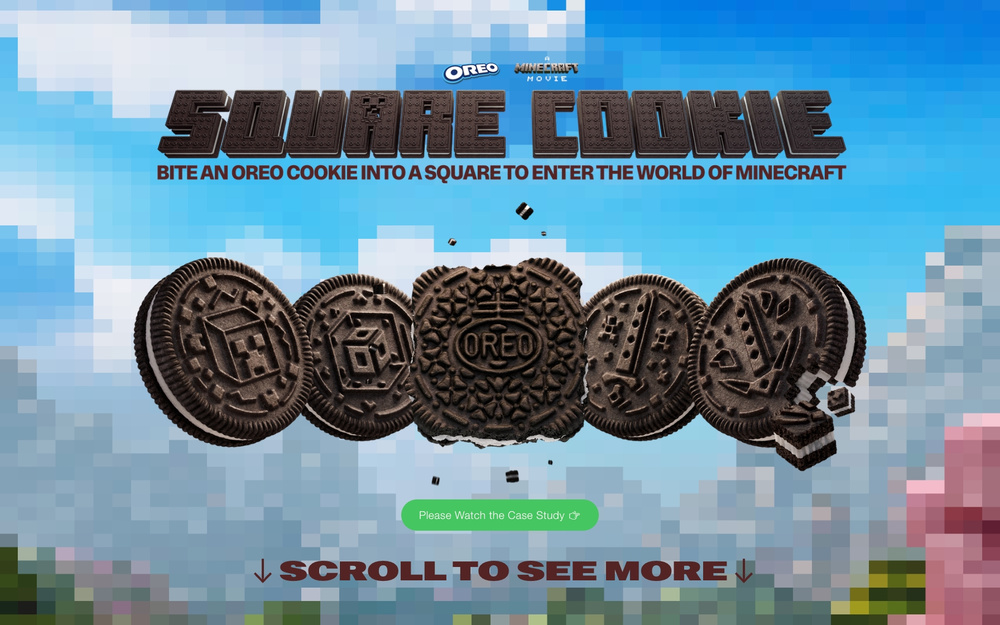
Oreo’s Square Cookies campaign shows how a legacy brand broke its own icon to drive cultural relevance, product trial, and youth engagement through play.
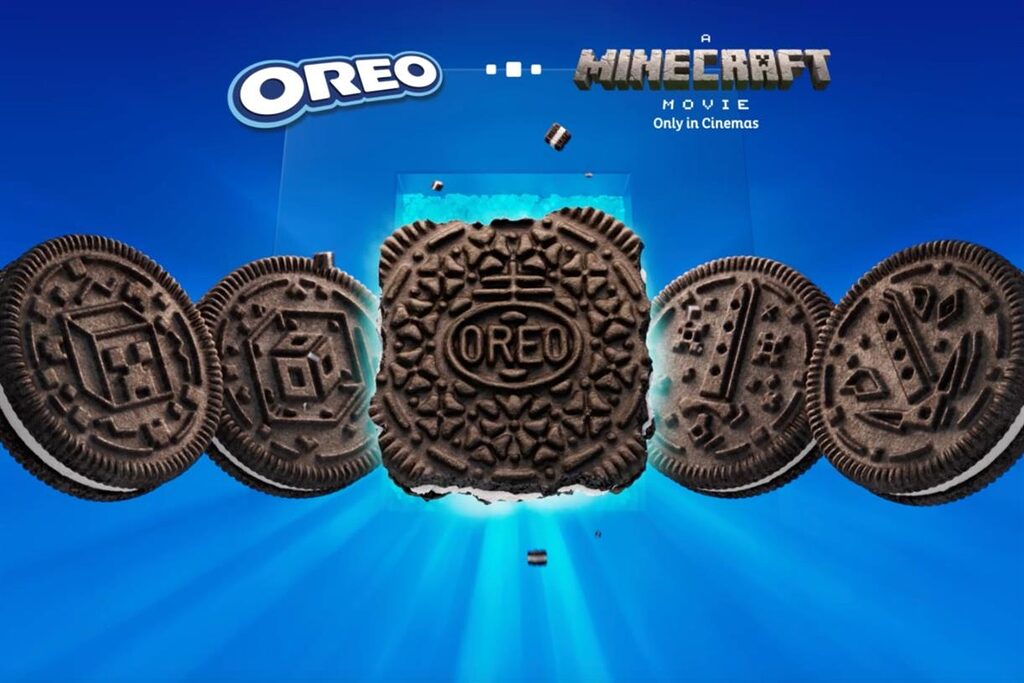
In 2025, Oreo did something almost unthinkable. After 113 years of defending one of the most recognisable shapes in global branding, the brand introduced a square Oreo, not as a novelty SKU, but as the centrepiece of a limited-edition collaboration with A Minecraft Movie.
The idea was culturally precise.
Minecraft is a world built entirely from blocks—no curves, no circles. If Oreo wanted to enter that universe authentically, it couldn’t just paste logos onto packaging. It had to obey the rules of the world it was stepping into.
So Oreo changed the cookie itself.
Why This Was a Big Deal
This wasn’t just a visual stunt. The shape change coincided with a quiet recipe reformulation—slightly more cocoa, less sugar. Like many legacy brands, Oreo faced the risk of backlash whenever it touched something consumers already loved.
Instead of defending the change, Oreo reframed it.
You couldn’t participate in the campaign without:
- Buying the limited-edition pack
- Biting the cookie square
- Experiencing the new taste as part of play
The product became the communication.
Where the Idea Came From
The concept originated within Mondelez International’s Oreo team in the UK and Europe. There was no single headline “genius.” It was a team-led insight rooted in a simple understanding of younger audiences.
Gen Alpha and Gen Z:
- Prefer interaction over explanation
- Value plays more than persuasion
- Respond strongly to scarcity and cultural relevance
Minecraft offered the perfect cultural logic:
- A global fan base
- A visual world that justified the shape shift
- A movie release that created a natural moment in time
The internal logic was straightforward and bold:
“Round cookies don’t belong in Minecraft.”
How the Ecosystem Came Together
This was not a standalone ad campaign. It was a tightly connected system involving:
- Mondelez International – brand owner and strategic lead
- Warner Bros. Pictures – film partner (A Minecraft Movie)
- Mojang Studios / Microsoft – guardians of the Minecraft universe
- Creative and design partners – pixel-inspired packaging and cookie embossments
- Web-based AR teams – browser-first experiences with no app friction
- Retail partners – supermarkets that enabled scale and visibility
A small batch of prototype square cookies was also seeded to superfans, influencers, and cultural spaces—creating early buzz and collector behaviour.
Why the Campaign Worked
At its core, the campaign succeeded because it aligned business needs, cultural logic, and experience design.
- Business: It drove the trial of a new recipe without asking consumers to “accept” a change
- Culture: It respected the internal logic of Minecraft instead of forcing brand assets into it
- Experience: It turned eating into participation
Key levers included:
- On-pack QR codes unlocking AR worlds
- A “bite-to-enter” mechanic that made the cookie part of the game
- Physical installations, including a massive illuminated square Oreo in London
- Social behaviour that turned “biting square” into a visual signal of belonging
The Details That Made It Legendary
Small choices amplified the impact:
- The square cookie matched the original Oreo’s size and weight
- Crispness was slightly enhanced through recipe tweaks
- Packs featured multiple Minecraft-style embossments, encouraging collection
- Fans queued overnight for early access
- Some unopened packs resold at a premium
Not everyone approved. Purists complained. But that resistance only added to the mythology. Scarcity turned the square Oreo into a moment, not just a product.
The Bigger Impact
While the activation was focused on the UK and parts of Europe, its cultural echo travelled globally through social media. Oreo reinforced its reputation as a brand that is:
- Playful without being gimmicky
- Willing to bend its own rules
- Fluent in youth culture without pandering
More importantly, it raised the bar for brand collaborations.
This wasn’t logo-sharing.
This was co-branding through product behaviour.
By breaking its own shape, Oreo made a larger point:
Icons don’t lose power when they evolve with intention. Sometimes, they gain relevance precisely because they’re brave enough to change.