When a Football Field Became a Barcode: How Mercado Livre Turned a Stadium into a Shopping Experience
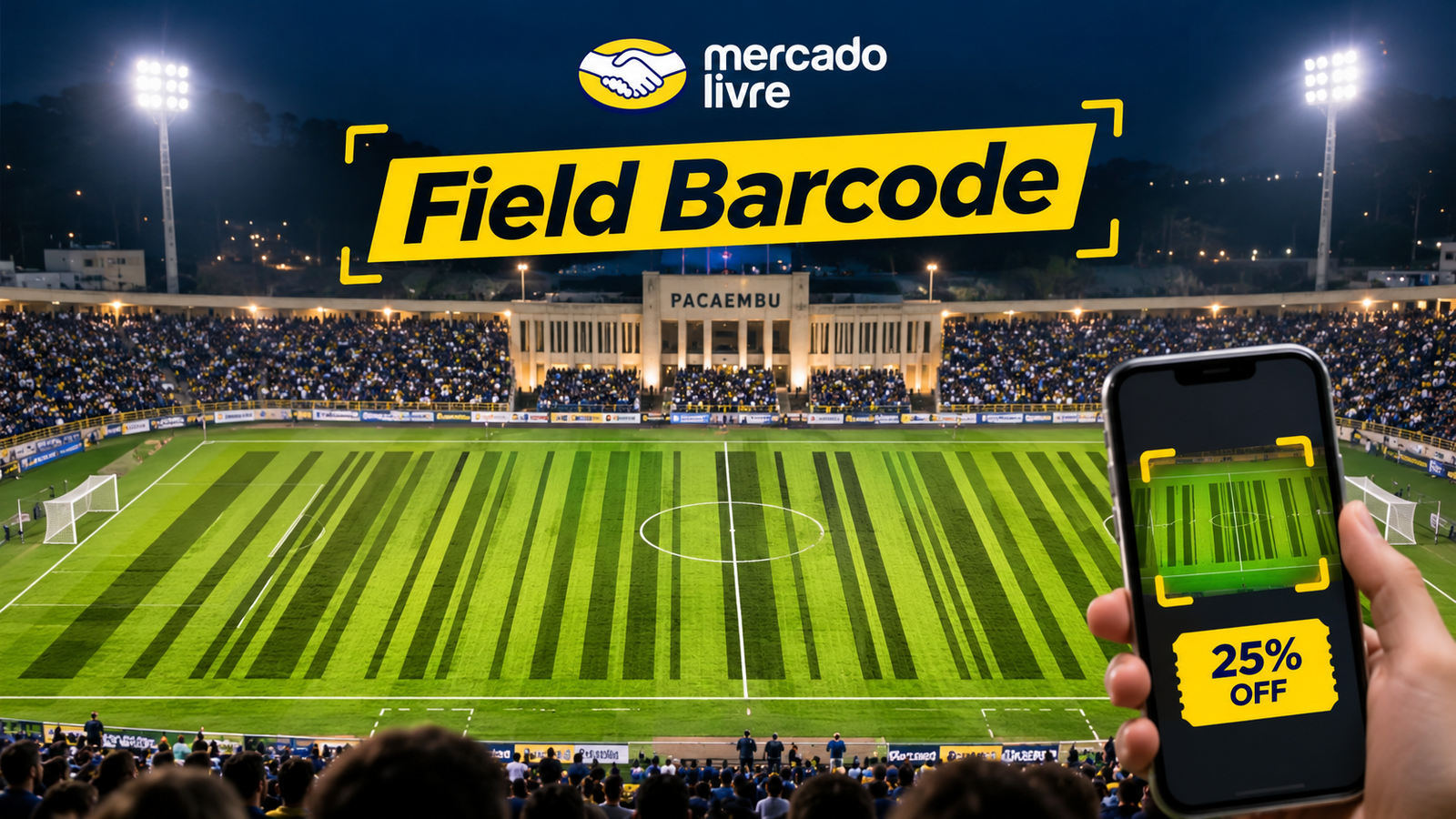
What happens when a football field becomes a shopping interface? Mercado Livre’s Field Barcode transformed the Pacaembu Stadium pitch into a giant scannable barcode, turning football viewers into shoppers through an ingenious blend of creativity, technology and commerce.
Imagine watching a football match. The players race across the pitch, the crowd roars, and millions of viewers are glued to their screens. Suddenly, something catches your attention. The grass looks different. Instead of the familiar green surface, alternating light and dark patterns run across the field, resembling a giant barcode. You take out your smartphone, point it at the television screen and scan it. Within seconds, you are transported from a football match to an online shopping experience, with a 25% discount waiting for you.
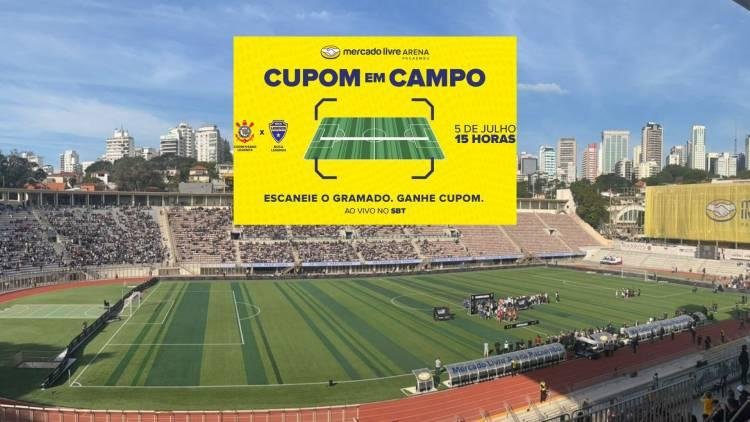
This was the thinking behind Field Barcode, an ingenious advertising activation by Mercado Livre, also released in Brazil as Cupom em Campo. The campaign transformed the Pacaembu Stadium pitch in São Paulo into a massive, functional barcode, connecting the excitement of live football with an immediate shopping opportunity. It was an unusual combination of sport, technology, creativity, and commerce, showing that sometimes the best advertising opportunities hide where nobody thinks to look.
The problem with advertising during football
Football is one of the world’s most valuable advertising environments. Brands spend heavily on sponsorships, perimeter advertising, player endorsements and television commercials to reach audiences. Yet, almost everyone is competing for the same attention, while viewers have become increasingly skilled at ignoring commercial messages.
For Mercado Livre, one of Latin America’s largest e-commerce platforms, the opportunity was to challenge this convention. Instead of finding another advertising space around the game, why not turn the game itself into an advertising medium? Rather than interrupting the viewing experience with another commercial, the brand could create something viewers would actively want to engage with.
The idea developed by creative agency GUT São Paulo was deceptively simple: transform the football field into a scannable barcode. The proposition was brilliant, but executing it required considerably more than creative imagination. The pitch had to become a functioning piece of technology that could connect television viewers directly to a shopping platform.
Turning grass into a giant barcode
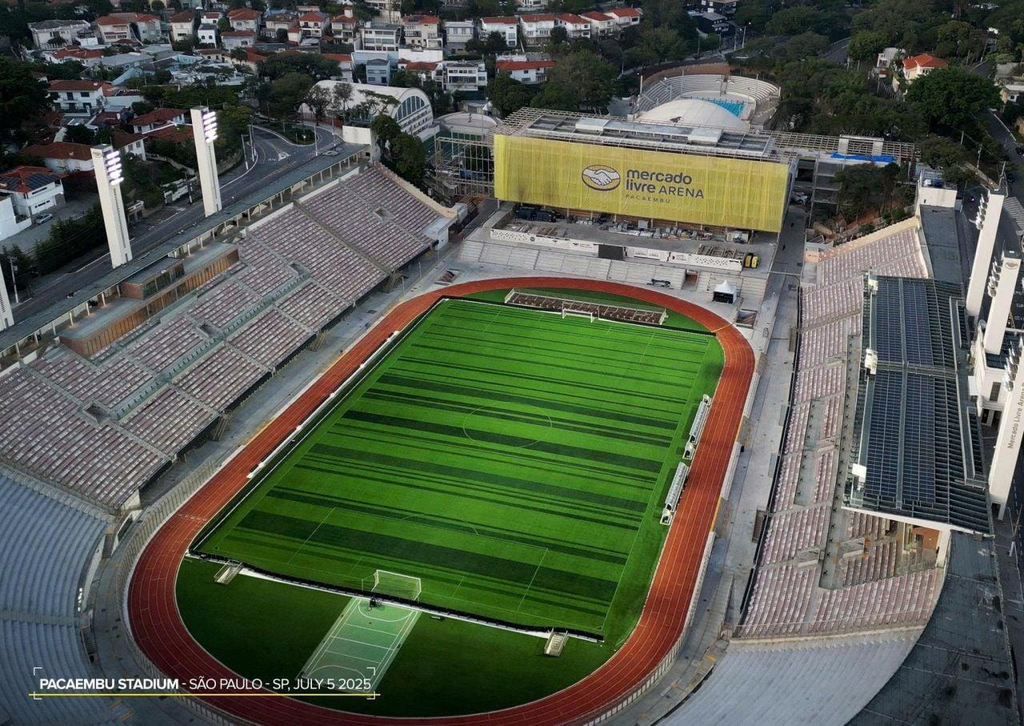
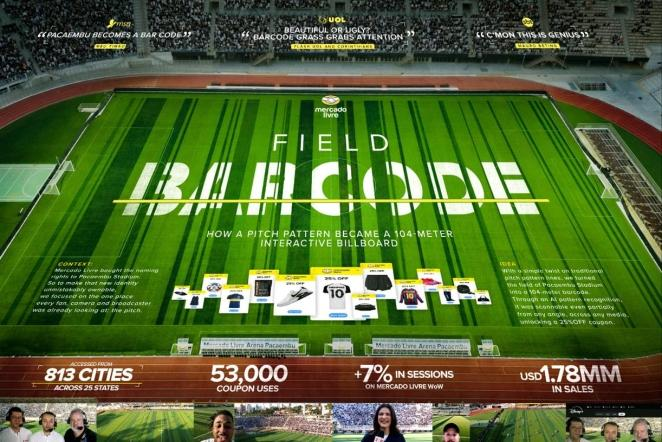
A 104-metre-wide section of the Pacaembu Stadium pitch was transformed into a barcode using carefully engineered mowing patterns. Different sections of grass were cut to create alternating light and dark areas, forming the visual patterns required for scanning. The project involved groundskeepers, technology specialists and football clubs working alongside the creative team.
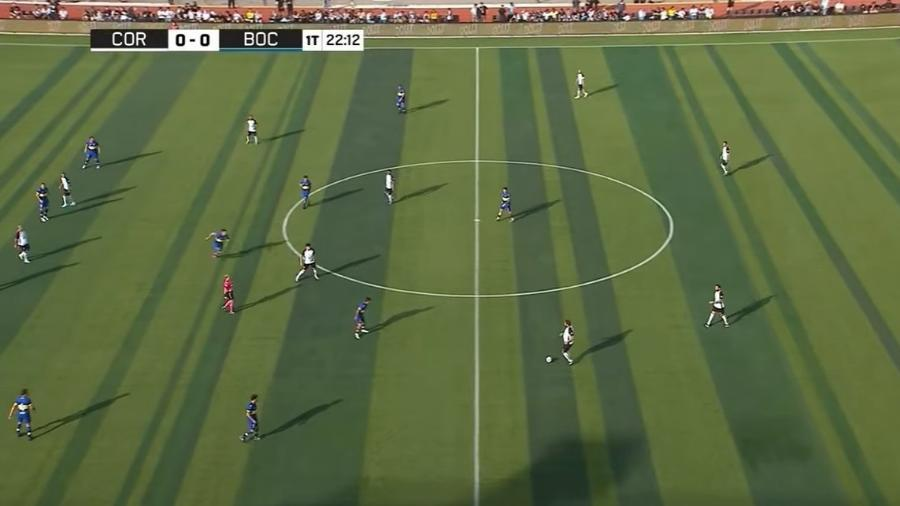
However, creating a barcode that looked convincing from the stadium stands was only half the challenge. It also had to work on television. A barcode that appears perfectly readable from directly above can become distorted when captured by a broadcast camera positioned at an angle. Football coverage makes this even more complicated, with cameras constantly changing positions, zooming in and out and following players across the pitch.
The team therefore engineered the pattern to remain readable from multiple broadcast camera angles. An AI-powered pattern-recognition system supported the scanning experience, helping viewers identify and interpret the barcode despite the visual distortions associated with live sports coverage. This was not simply an interesting piece of stadium decoration. It was a carefully engineered outdoor media innovation in which the physical environment became an interactive interface.
When the audience became part of the campaign
Field Barcode debuted during a Corinthians versus Boca Juniors veterans’ match in July 2025, as part of Mercado Livre’s 7/7 promotional event. Viewers could scan the barcode directly from their television screens and unlock a 25% discount on Mercado Livre.
Importantly, the experience wasn’t limited to live television. The barcode could also be scanned through Disney+, YouTube, photographs and shared video clips, extending the campaign beyond the original broadcast. This allowed people who had not watched the match live to discover and participate in the activation later.
Think about the consumer journey. Someone is watching football, notices something unusual on the pitch and becomes curious. They reach for their smartphone, scan the television screen and are taken directly into Mercado Livre’s shopping experience. There is no separate advertisement to remember, no complicated promotional code to enter and no need to search for an offer. The football match itself becomes the gateway to a commercial transaction.
Most advertising campaigns assume awareness will eventually translate into purchase. Field Barcode attempted to shorten that journey by connecting attention, participation and commerce within the same experience. It did not merely ask consumers to remember a brand. It gave them an immediate reason to interact with it.
The numbers behind the idea
A creative idea becomes considerably more powerful when it delivers measurable business results. Field Barcode generated more than 53,000 coupon uses and approximately US$1.7 million in sales. Mercado Livre also recorded a 7% increase in sessions during the campaign period, with traffic generated from 813 Brazilian cities across 25 states.
The geographical spread is particularly interesting. The campaign was physically created in a stadium in São Paulo, but its commercial impact extended across Brazil. The stadium was the starting point, not the campaign’s boundary.
There is also an important distinction between generating impressions and generating participation. Millions might see a conventional stadium advertisement, but measuring how many people actually act on it is considerably harder. Field Barcode gave consumers a tangible reason to respond. The scan became both an engagement mechanism and a measurable step towards purchase.
What marketers can learn from Field Barcode?
Several important lessons lie beneath this giant barcode. First, brands need to rethink media rather than buy more of it. Advertising has become increasingly expensive, while consumers have become more selective about where they give their attention. Field Barcode challenged this approach by creating an entirely new advertising medium out of an existing environment. The opportunity was not to find a better place to advertise, but to rethink what could become advertising.
The second lesson is the importance of participation. Consumers increasingly expect experiences that allow them to do something rather than watch or listen. Field Barcode turned an ordinary football viewing experience into an interactive moment. Spotting the barcode, scanning it and unlocking a discount made the audience an active participant. Curiosity became engagement, and engagement had a direct commercial outcome.
The third lesson concerns the relationship between creativity and commerce. Marketing teams are frequently challenged to demonstrate how brand investments contribute to business performance. Field Barcode brought these objectives together without sacrificing originality. It created a memorable brand experience while providing a direct route to purchase. The discount was not an afterthought; it was the commercial payoff built into the creative concept.
Finally, it demonstrated the power of designing campaigns for a connected media environment. The physical experience created the spectacle, while television, streaming platforms, YouTube, photographs and shared clips multiplied its reach. Instead of treating outdoor, television and digital as separate channels, the campaign made them work together as parts of one consumer experience.
A Grand Prix-worthy idea
The advertising industry took notice. At Cannes Lions 2026, Field Barcode won the prestigious Outdoor Grand Prix, along with a Bronze Lion in Outdoor and additional recognition in Direct and Media.
GUT São Paulo is credited with the work, with ZETABE handling media and NWB and SPARK contributing to production. Bruno Brux, GUT’s Chief Creative Officer, and Gabriel “Gab” Marcondes, credited as an Associate Creative Director and Art Director, are among the publicly identified creative leaders associated with the campaign.
The real achievement lies in the collaboration itself. It brought together people who understood advertising, grass, cameras and technology. The result was an idea a conventional creative team working in isolation could not have executed.
The bigger lesson: Advertising should not interrupt the experience
For decades, advertising has largely followed a familiar formula: find an audience, interrupt its attention, communicate a message and hope something remains in the consumer’s memory. Field Barcode reversed that relationship. It did not interrupt football. It used football. It did not ask viewers to leave their experience to engage with a brand. It made the experience itself commercially useful.
The campaign also reminds us that breakthrough innovation doesn’t always require inventing new technology or developing an entirely new product. Sometimes, it comes from looking at an existing environment differently and discovering a possibility others have overlooked.
A football pitch has always been a place where people watch players chase a ball. Mercado Livre found another use for it. It turned 104 metres of grass into a shopping interface, turned football viewers into potential customers, and showed that the next great advertising medium might be hiding in plain sight.
The players never had to stop playing for the advertisement to work. And perhaps that is the real genius of Field Barcode: it didn’t interrupt the game to sell something. It made the game itself part of the selling experience.
Image credits: Campaign and editorial visuals sourced from published coverage of Mercado Livre’s Field Barcode activation.