Cultural Fluency Is a Permission Problem, Not a Trend Problem
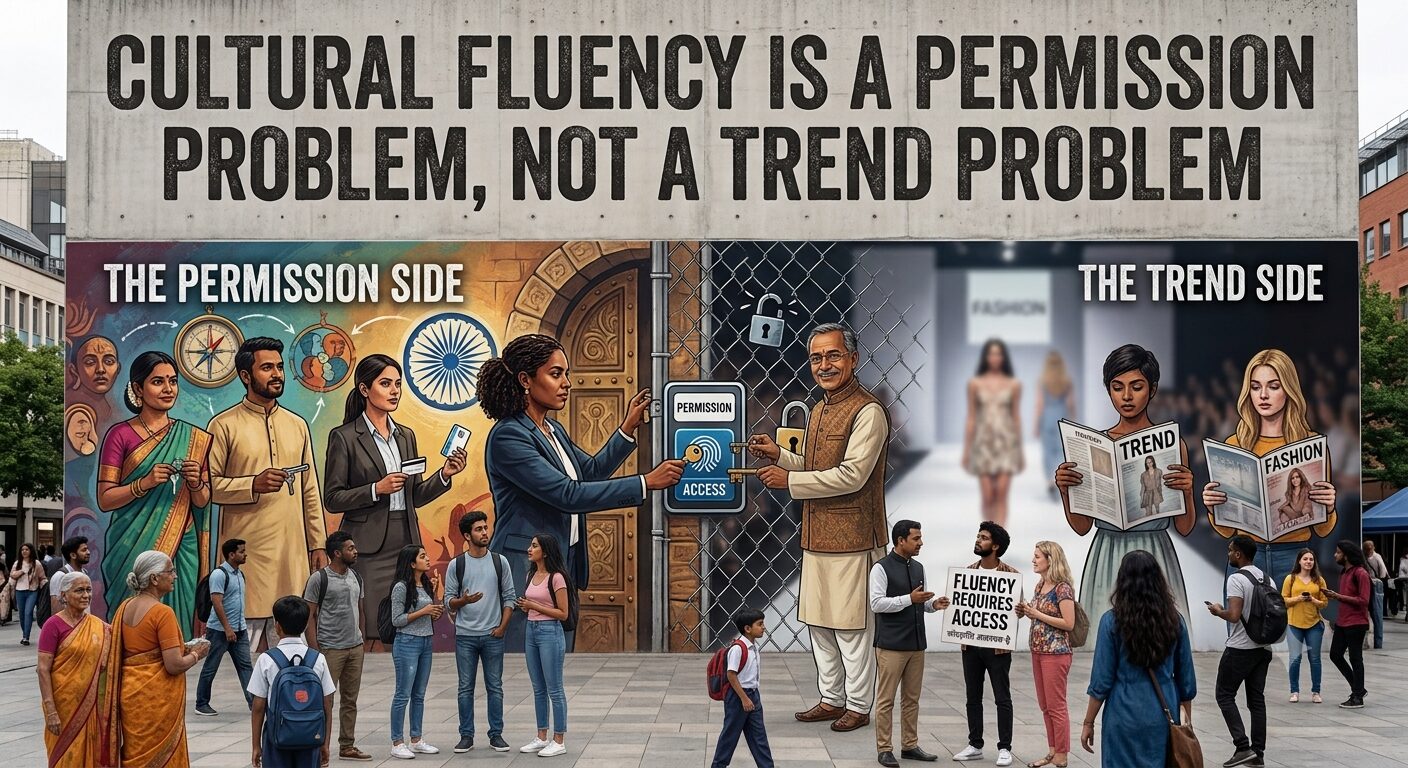
Most brands mistake visibility for cultural fluency. This piece breaks down the difference, using a global beauty collaboration and two Indian examples to show what actually earns a brand its place in culture, and what just rents attention for a season.
Every brand strategy deck now has a slide on cultural relevance. Fewer brands can explain what that phrase actually means once the deck closes and the campaign goes live.
Cultural fluency gets treated as a vocabulary problem. Learn the slang, use the right meme format, hire a young creator, and the brand is suddenly “in culture”. This is a shallow reading of a deep idea. Culture is not a dialect a brand can pick up. It is a set of communities with their own histories, rituals and unwritten rules about who gets to belong.
A useful recent example is the limited-edition lip balm collaboration between M&M’s and NYX Professional Makeup, built around blind-bag packaging, collectable “rare” variants, and a chocolate-scented cue. It is worth unpacking not for the campaign mechanics, which are well executed, but for what it reveals about the difference between showing up in a space and earning a place in it.
Visibility is rented. Participation is owned.
Most cultural marketing today buys visibility. A brand pays for reach inside a community’s feed, its event, its aesthetic. That reach expires the moment the media spend stops.
Participation works differently. It is built on three things a media plan cannot buy:
- A genuine reason the brand belongs in that space, beyond the transaction.
- Enough restraint to let the community’s own language and rituals lead, instead of the brand’s campaign calendar.
- A willingness to stay after the launch window closes, when there is no more press coverage to justify the spend.
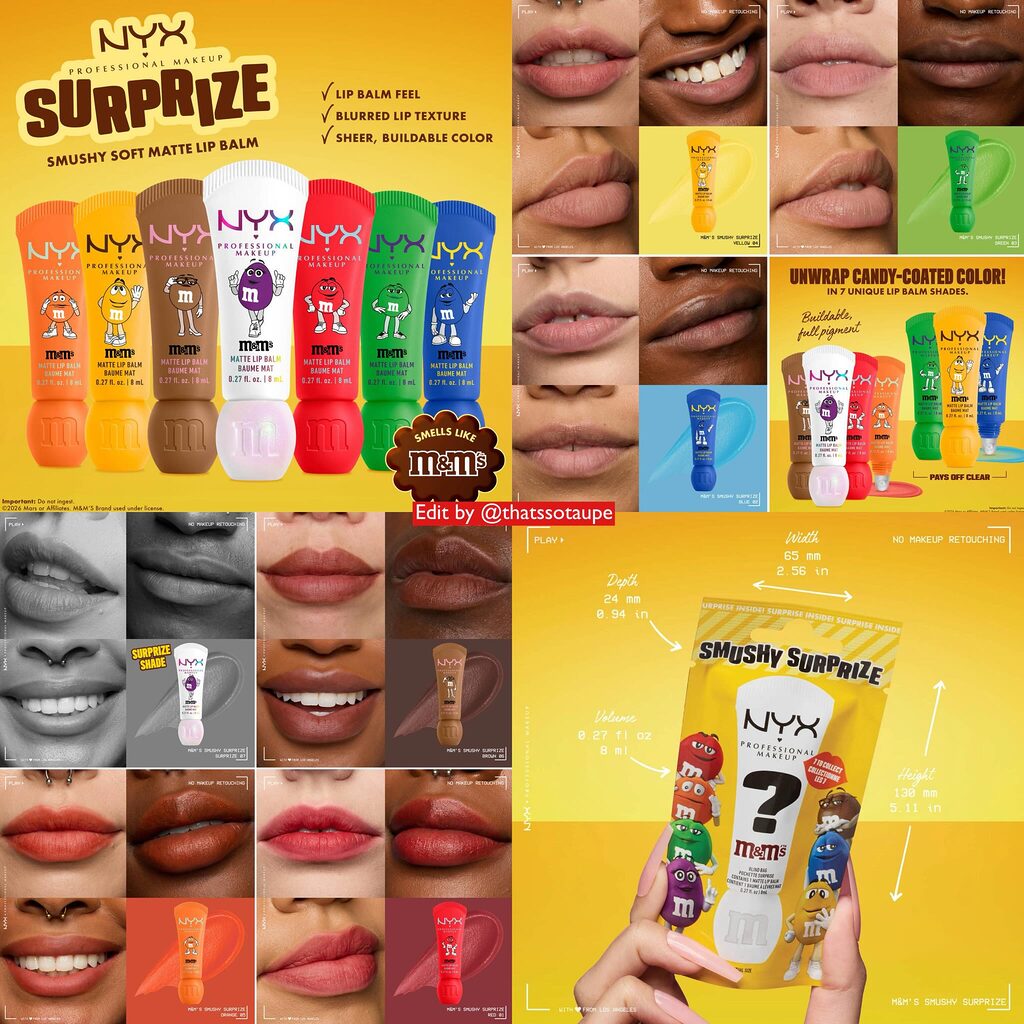
The M&M’s x NYX collaboration borrows heavily from beauty culture’s existing rituals: unboxing, rarity-chasing, display-worthy packaging. That is smart distribution. Whether it becomes genuine participation depends entirely on what the brands do in month four, when the novelty has worn off, and there is no blind bag left to unwrap.
Culture moves at two speeds, and most brands only plan for one
Fast culture is the layer everyone chases: drops, collectable variants, limited editions, anything built for a screenshot. It is measurable, schedulable and easy to brief a creative agency on.
Slow culture is harder to plan for because it is not a campaign. It is the accumulation of meaning a product earns over repeated use: the ritual it becomes part of, the identity it signals, the memory it attaches itself to.
The mistake most brand teams make is optimising entirely for the fast layer and hoping the slow layer takes care of itself. It rarely does. A collectable format generates a spike. A ritual generates a habit. Only one of those shows up as a repeat purchase eighteen months later.
Indulgence has become a sensory category, not a food category
One of the more interesting shifts behind collaborations like this is what “indulgence” has come to mean. It used to sit almost entirely inside food and drink. Increasingly, it lives in scent, texture, colour and small tactile rituals that have nothing to do with eating.
That is why a confectionery brand can credibly move into lip balm. The emotional job being sold is not chocolate. It is a two-minute mood lift that fits inside a bag, a desk drawer or a gifting occasion. Brands that understand indulgence as an emotional category, rather than a product category, will find far more white space to extend into than brands still thinking in terms of aisles and SKUs.
This is a pattern worth watching closely in India too, where category boundaries are loosening faster than most legacy brand architecture accounts for. Wellness, beauty, food and even pet care are converging around the same emotional territory: small, affordable, shareable moments of self-care.
Authenticity is a coherence test, not a personality trait
Brands spend enormous energy trying to “be authentic”, as if authenticity were a tone of voice. It is closer to a structural test with three questions:
- Does this initiative make sense for both brands involved, or only for one?
- Does it map to something consumers already do, or does it ask them to invent a new behaviour?
- Do both brands still look and sound like themselves once the collaboration is stripped away?
Judged this way, the M&M’s x NYX partnership holds together. The playful packaging, the collectable mechanic and the sensory cues sit naturally inside both brands’ existing worlds. The real risk is not incoherence. It is over-reliance on the novelty of the drop itself, without a sharper answer to “why this, why now” that goes beyond seasonal marketing calendars.
Closer to home: the same test applied to Indian brands
An example shows how this plays out in the Indian market and why the coherence test holds regardless of category or price point.
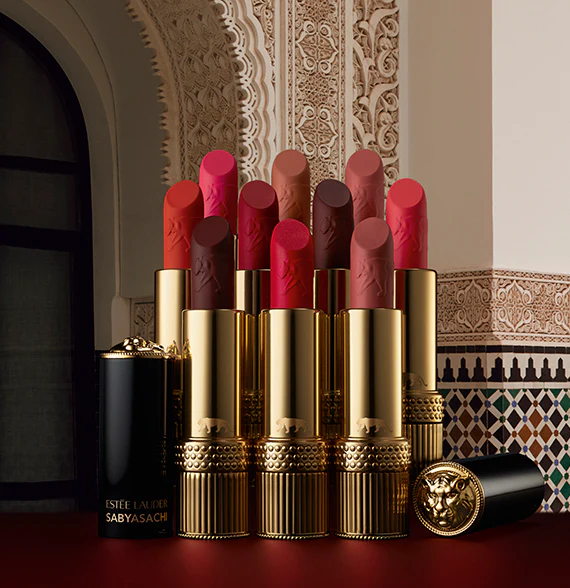
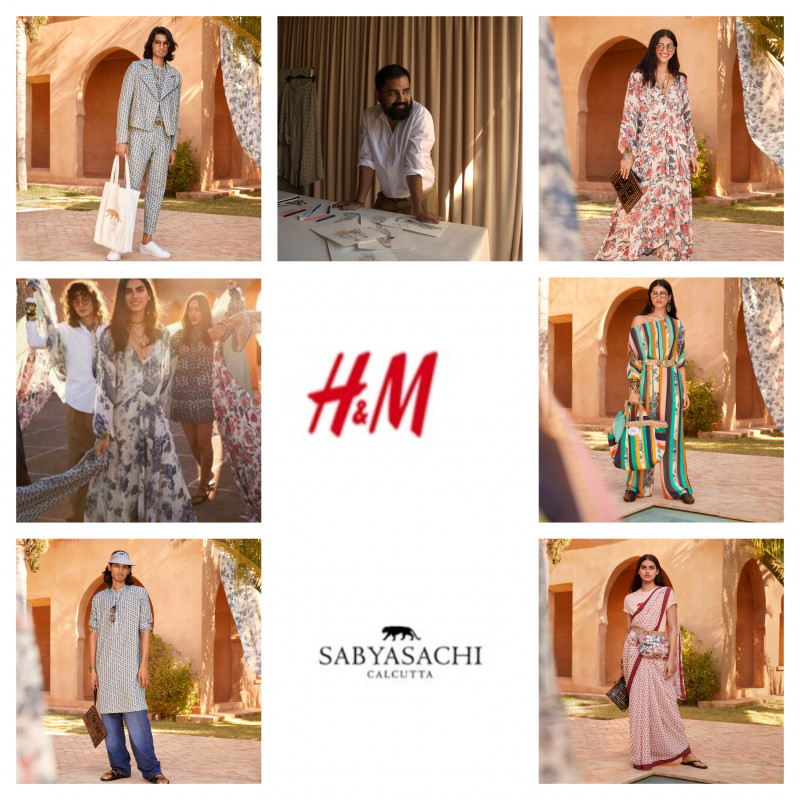
Sabyasachi’s collaborations with H&M and Estee Lauder work on a different axis. Rather than adapting Indian craft to fit a global template, the partnerships exported the aesthetic largely on its own terms: hand embroidery, colour palettes, and a design language rooted in Indian textile tradition, placed within international retail and beauty formats. It is a useful reminder that cultural fluency does not always mean a local brand borrowing global fluency. Sometimes the more durable version is the reverse: a global brand borrowing local depth.
Both examples pass the same three-question coherence test set out above. Both also point to something Indian founders and marketers often underweight: the country’s own cultural archive, be it a gymkhana, a textile tradition, a regional cuisine or a film industry, is frequently a stronger foundation for a collaboration than a borrowed global format. Fluency is closer at hand than most brand teams assume.
The takeaway for brand builders
Culture is no longer a layer of communication sitting atop a product. It is the environment where products are discovered, judged and given meaning. That changes what “reach” is worth.
A brand that only optimises for reach will keep buying visibility; it has to repurchase every quarter. A brand that earns participation builds equity that compounds because the community starts doing the marketing work on the brand’s behalf.
The practical test for any founder or marketer weighing a cultural collaboration is simple: strip away the media plan and the launch PR, and ask whether the partnership still has a reason to exist. If the answer is yes, it is probably closer to cultural fluency than to trend-chasing. If the answer is no, it is a well-produced advertisement wearing culture as a costume.